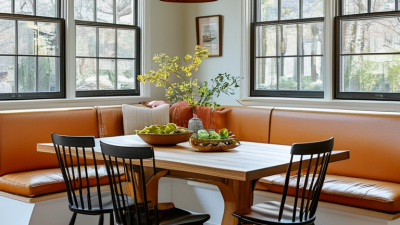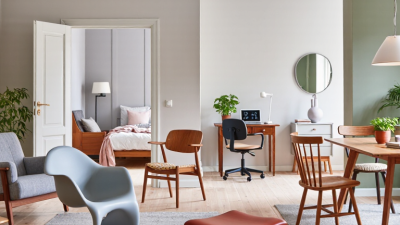
Fabric Chairs remain a practical choice for living rooms, bedrooms, reading corners, and home offices. They can soften a space, add color, and feel warmer than many hard-surface seats. The market is broad, too. Fortune Business Insights valued the global furniture market at USD 677.09 billion in 2023 and projected continued growth through 2032. That figure covers furniture overall, not fabric chairs alone, so it offers context rather than proof that one chair style is best.
This guide compares ten fabric chairs using details buyers can check: frame construction, upholstery composition, seat dimensions, weight capacity, care instructions, warranty terms, and return policies. We also consider comfort, because a chair that looks inviting in a product photo may feel firm after twenty minutes. Look for practical clues: removable covers, tightly finished seams, supportive cushions, and fabric suited to the room’s everyday use. The American Home Furnishings Alliance’s consumer guidance emphasizes checking product information and care needs before purchase; those details matter when spills, pets, or frequent use are part of the picture.
No ranking can predict every person’s comfort. We can compare specifications and reported features, but individual fit still matters. Some product descriptions are vague. That is worth noticing. Use the list as a careful starting point, then confirm measurements and policies with the seller before buying.
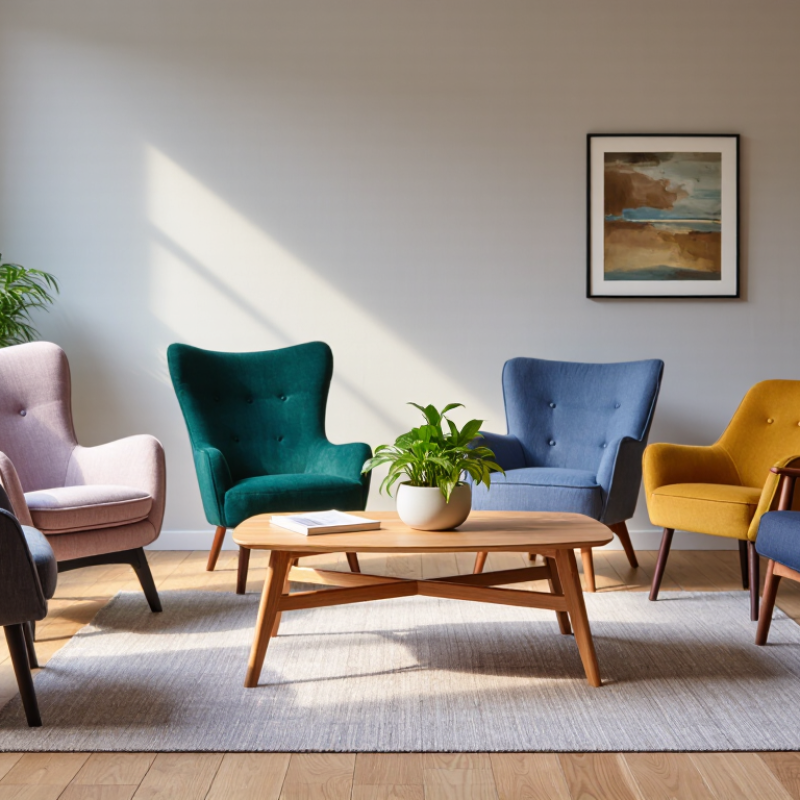
Fabric chairs are best classified by both silhouette and intended use. Design names describe form: wingback chairs have tall, enclosing backs; tub chairs curve around the shoulders; slipper chairs sit low without arms; and dining chairs use slimmer frames that tuck beneath tables. Intended-use labels add practical context. A desk chair needs adjustable support for longer sitting, while a lounge chair favors a deeper seat and relaxed posture. Accent chairs are chosen for a room’s focal point, though they may not suit daily, extended use. These categories overlap, and I find some retail labels less useful than measurements.
The scale of the furniture market makes clear why shoppers encounter many forms. Grand View Research’s 2024 global furniture market report estimated the market at about US$541.5 billion in 2023. That figure covers furniture broadly, not fabric chairs alone. For buyers, the useful distinction is still specific: match seat height, depth, arm clearance, and fabric durability to the room and routine. A chair that looks inviting in a showroom can feel cramped at a small desk.
Tips: Measure the space before choosing a style. For dining, check that the seat slides under the table and leaves room for knees. For everyday lounging, sit back fully and notice whether the front edge presses behind your knees. Ask about cleaning instructions and abrasion testing; a pale, textured upholstery can show spills and wear sooner than expected. Do not rely on looks alone.
Seat height is measured from the floor to the top of the seat. These approximate representative dimensions help compare chair types; actual sizes vary by design. Choose by intended use: dining and task chairs for table or desk seating, and lounge styles for relaxed seating.
A quality fabric chair should feel supportive before it looks impressive. Sit for several minutes and notice whether the seat spreads your weight evenly. Your feet should rest on the floor, with no hard frame pressing into your thighs. Check the cushion’s recovery by pressing it firmly; it should regain its shape without a long-lasting dent. Firmness is personal, though, so a quick showroom test cannot predict comfort over a full evening.
Look closely at seams, fabric, and the frame. Straight, tight stitching is less likely to pull apart at stress points, such as seat corners. Rub a hidden patch gently with a clean cloth to check for loose fibers or color transfer. A dense, closely woven fabric may resist everyday wear better than a delicate weave, but no material is completely snag-proof. Ask how the cover should be cleaned, and check whether it can be removed. Then inspect the legs and joints for wobble. A chair can appear sturdy in a photo and still disappoint after months of use; that is one detail online listings rarely reveal.
A fabric chair should fit the room’s daily habits, not just its color palette. For dining rooms, choose an upholstered side chair or an armless chair that slides beneath the table. A compact accent chair can soften a bedroom corner, while a swivel chair helps in a living room where conversation shifts. A high-back reading chair supports longer rests; a fabric task chair suits a home office. Houzz’s 2024 U.S. Houzz & Home Study reported a median renovation spend of $24,000 for 2023. A well-chosen chair can refresh a room without changing its layout.
Small rooms need restraint. A slipper chair takes little floor space, and a folding fabric chair gives guests a seat without permanent clutter. For nurseries, a glider with supportive arms makes repeated feeding sessions easier. A slipcovered lounge chair is practical in busy family rooms because the cover can be removed for cleaning. The Association for Contract Textiles lists 30,000 Wyzenbeek double rubs as a benchmark for woven upholstery; it is not a guarantee of lifespan. A useful caveat. Abrasion scores cannot tell you whether a chair feels comfortable, so test the seat depth and back support in person. I would still check how the fabric feels against bare arms.
When comparing the top ten fabric chairs, look beyond color and softness. Upholstery changes how a chair feels, cleans, and ages. Tightly woven polyester often handles everyday spills better than loose linen, while cotton blends feel breathable but may show stains sooner. Velvet adds a plush touch, though crumbs can settle between its fibers. Small details matter.
Comfort depends on more than cushioning. A deep seat may suit long-legged readers but leave shorter users’ feet hovering. Check seat height, back support, and whether the cushion springs back after you press it. Foam feels supportive at first; softer fills can feel inviting, then flatten sooner. There is no perfect fabric. A chair used daily needs a different balance than one placed in a quiet bedroom.
Durability also comes from the frame and seams, not just the cover. Look for even stitching, reinforced corners, and cushions with removable covers if cleaning is important. A pale, textured fabric can look elegant in a showroom, yet demand more care beside a busy dining table. Buyers sometimes focus too heavily on rub-test figures; those figures help, but they cannot predict every home’s wear. Compare the chair’s care instructions with your actual routine before deciding.
| Rank | Chair Type | Typical Upholstery | Comfort and Support | Typical Durability | Care Considerations | Best For |
|---|---|---|---|---|---|---|
| 1 | Upholstered dining chair | Polyester or polyester-blend woven fabric | A padded seat improves comfort over a hard seat; back support varies by shape and height. | Moderate to high with a sturdy frame and tightly woven, abrasion-resistant fabric. | Vacuum regularly; blot spills promptly and follow the upholstery cleaning code. | Everyday dining and kitchens |
| 2 | Fabric accent chair | Polyester, cotton blend, or textured synthetic weave | Often has a wider seat and cushioned back; comfort depends on seat depth and cushion firmness. | Moderate to high for regular household use; loose cushions may need occasional reshaping. | Check whether cushion covers are removable before washing; many require spot cleaning. | Living rooms and reading corners |
| 3 | Wingback chair | Woven polyester, cotton blend, or linen blend | High back and side wings can provide a sheltered feel; seat depth may not suit every user. | Moderate to high when the frame and joints are well constructed. | Use a soft brush or upholstery attachment; textured fabrics can hold dust in crevices. | Reading, conversation, and traditional interiors |
| 4 | Slipper chair | Polyester blend, cotton blend, or linen blend | Low seat and armless design make it easy to place, though it offers less upper-body support. | Moderate; a compact frame can be durable, but comfort depends strongly on cushion construction. | Keep fabric away from prolonged direct sunlight to reduce fading; clean spills promptly. | Bedrooms, dressing areas, and small spaces |
| 5 | Swivel accent chair | Polyester or performance-treated woven fabric | A padded seat and rotating base make it convenient for conversation; base stability matters. | Moderate to high if the swivel mechanism is robust and used on a suitable floor. | Vacuum seams and check the base periodically for loose fasteners. | Living rooms and open-plan spaces |
| 6 | Reclining fabric chair | Polyester or polyester-blend upholstery | Adjustable reclining positions support relaxed sitting; fit and lumbar support vary between models. | Moderate to high with a sound reclining mechanism; moving parts need careful use. | Keep the mechanism clear of debris and follow the maker's fabric-care instructions. | Lounging and media rooms |
| 7 | Tub chair | Polyester, velvet, or textured woven fabric | Curved arms and back create a compact, supported seat; low arms may not suit long work sessions. | Moderate; durable upholstery and a reinforced frame help with frequent use. | Velvet may show pressure marks; brush gently in the direction of the pile when applicable. | Reception areas and compact living spaces |
| 8 | Parsons chair | Cotton blend, linen blend, or polyester weave | Upright back and padded seat suit meals; support is generally less enveloping than a lounge chair. | Moderate to high depending on frame construction, fabric wear rating, and seam quality. | Light-colored upholstery can show stains more readily; consider removable or washable covers. | Dining rooms and occasional seating |
| 9 | Upholstered office chair | Polyester fabric or mesh-and-fabric combination | Adjustable seat height and back support are valuable for desk work; ergonomic fit varies by design. | Moderate to high with durable fabric, a stable base, and quality adjustment mechanisms. | Vacuum dust from seams and inspect wheels and adjustment controls periodically. | Home offices and study areas |
| 10 | Bar or counter stool with fabric seat | Polyester or tightly woven synthetic fabric | A padded seat adds comfort; a footrest is important for a more relaxed seated position. | Moderate; regular use puts stress on the frame, joints, and footrest. | Blot food and drink spills quickly; check that the height matches the counter or bar. | Kitchen islands and breakfast bars |
Comparison note: Durability and comfort are general expectations for each chair type, not guarantees. Actual performance depends on frame construction, cushion materials, fabric specifications, care, and frequency of use.
Before buying a fabric chair, check how it feels after more than a quick showroom sit. Your feet should rest comfortably on the floor, while the seat supports your thighs without pressing behind your knees. Measure the chair against your room and doorway; a lovely fit on screen can become awkward beside a low table. Small details matter. Press the arms and frame gently. They should feel steady, not loose or creaky. Ask what the fabric is made of and how it should be cleaned. A removable cover can help, but check whether it is washable or only suitable for professional care.
Look closely at seams, cushion edges, and spots where fabric meets the frame. Uneven stitching may not mean poor quality, yet it deserves a closer look. Consider sunlight, pets, and daily use before choosing a pale or textured fabric. Rub a small area with your hand; does it feel rough, slippery, or likely to snag? I would not trust a fabric label alone to predict how a chair will age in your home. Still, I may be fussier than some buyers. Sit for several minutes, shift your weight, and notice whether the cushion springs back or stays dented. A tiny test can reveal more than polished product photos.