Banquette seating has gained immense popularity in both residential and commercial spaces. According to a 2022 report by the National Kitchen and Bath Association, 30% of homeowners opt for banquette seating to maximize space and enhance dining experiences. This design element combines comfort and functionality, making it ideal for various settings.
Choosing the right banquette seating can be overwhelming. Factors like size, material, and style significantly impact the overall aesthetic and comfort. Many people underestimate the importance of these details. A poorly chosen banquette can disrupt the flow of a room or even become uncomfortable over time. It's essential to balance aesthetics with practicality.
Research from the American Institute of Architecture indicates that well-designed seating can improve social interactions in dining areas. With so many options available, understanding what makes banquette seating effective is crucial. This guide aims to help you navigate the selection process confidently, ensuring your choice enhances both form and function in your space.
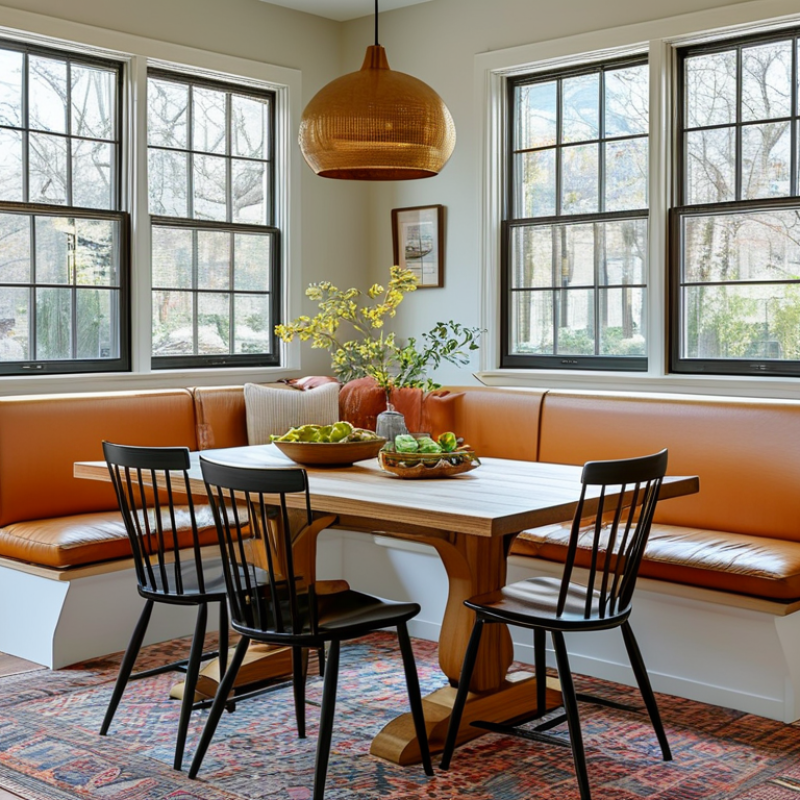
Banquette seating offers a unique blend of comfort and style. It typically consists of a long bench seat that can be placed against a wall or in a corner. This setup is perfect for maximizing space in dining areas. Many homeowners appreciate its versatility. It can suit various interior designs, from rustic to modern.
The features of banquette seating vary widely. Some options come with built-in storage under the seat, providing extra space for dining essentials. Others boast plush cushions for added comfort. The height of the seat is crucial. It should align well with dining tables for an enjoyable experience. Choosing the right fabric is also essential. Leather or fabric upholstery can change the overall look and feel.
While banquette seating is attractive, it may also have drawbacks. Designing the space can be tricky, especially in smaller rooms. Custom-built options take time and can be costly. Homeowners often overlook the need for regular maintenance. Cleaning and upkeep are vital for longevity. Thus, while banquette seating enhances style, careful planning is necessary to avoid common pitfalls.
Banquette seating is a fantastic option for maximizing space and adding style. There are several types to consider when choosing your ideal setup. Corner banquettes effectively use those often-overlooked nooks. They offer cozy seating for multiple guests while giving your room a unique touch. Cushions can be added to enhance comfort and style.
Another option is the straight banquette, which can fit against a wall or back-to-back. This is perfect for dining areas where you want to maintain a clean look while providing ample seating. Modular designs are also gaining popularity. They allow flexibility; you can rearrange them based on your needs. This versatility can make your space feel fresh and new over time.
Don't forget about upholstered versus wood options. Upholstered banquettes bring warmth and softness, but they may require more maintenance. Wood banquettes are durable and easy to clean. However, they can feel hard and cold without cushioning. Always reflect on how each type fits your lifestyle and aesthetic. Your choices define not just the look but the feel of your space.
Banquette seating offers unique advantages for any space. It maximizes functionality while creating a cozy atmosphere. This style fits snugly into corners, which helps save space. Families often find these seats perfect for dining areas. They invite conversation and foster connection, making meals more enjoyable.
Another benefit of banquette seating is customization. You can design it to match your decor or personal taste. Choosing the right upholstery, color, and style can transform an ordinary space. However, you should consider specific needs like storage and size. A well-planned layout is crucial to avoiding clutter and discomfort.
While banquette seating is attractive, it is not without challenges. Depending on the design, it can be tricky to clean. Maintenance should not be overlooked. Think about the ease of access too. Not everyone may enjoy sitting against the wall. It’s essential to weigh these factors when selecting the best option for your home.
When choosing banquette seating, several key factors come into play.
Start with size. Measure your space carefully.
Consider how many people you want to accommodate. A larger area allows for more seating, while smaller spaces benefit from compact designs.
Look for options that fit well without overwhelming the room.
Next, think about material. Upholstery choices impact both style and durability.
Fabric can add warmth, while leather offers a sleek, modern look. Make sure to choose materials that are easy to clean and maintain.
In high-traffic areas, consider stain-resistant fabrics to enhance longevity.
Lastly, don’t overlook comfort. The cushion’s thickness and firmness play crucial roles.
Test various styles to find the right balance. An inviting seating area encourages longer gatherings.
Reflect on your personal preferences. Create a space that feels right for you—and your guests.
Maintaining and caring for your banquette seating setup is crucial for longevity and appearance. Regular cleaning helps keep the fabric fresh. Vacuum the upholstery at least once a week. This simple act removes dust and debris that can wear down fibers over time. Use a soft brush attachment to protect delicate materials. For stains, refer to the manufacturer's cleaning guidelines to avoid any damage.
Leather or vinyl banquettes require different care. Wipe these surfaces with a damp cloth regularly. Avoid harsh chemicals that could erode the material. Industry data suggests that kitchens with well-maintained seating can increase user satisfaction by 30%. Ensuring your seating remains in top condition directly impacts your restaurant's ambiance.
Consider the environmental impact of cleaning supplies. Eco-friendly products are becoming essential in today's market. Utilizing them not only protects your furniture but also promotes sustainability. Neglecting maintenance can lead to costly replacements. A recent study reported that 40% of businesses faced unexpected maintenance expenses due to poor care practices. Being proactive in upkeep can save money and enhance the dining experience for all.