
When it comes to home decor, chair styles play a crucial role in defining a space. Expert interior designer, Sarah Chen, emphasizes, "The right chair can completely transform your home’s vibe." With a myriad of options available, selecting the perfect chair can be overwhelming. Each style brings its unique character and functionality, making it essential to consider various factors.
Modern homes often feature minimalist designs, where sleek lines and neutral hues dominate. In contrast, traditional spaces might benefit from ornate, upholstered chairs that evoke nostalgia. Finding a balance between aesthetics and comfort is key. An off-putting chair can disrupt the harmony of a room. Additionally, there’s a risk of choosing styles that do not complement other decor elements.
In this exploration of chair styles, we aim to highlight options that cater to every decor need. Whether you desire something bold and modern or classic and timeless, the perfect chair is out there. Understanding these choices can elevate your home’s overall appeal.
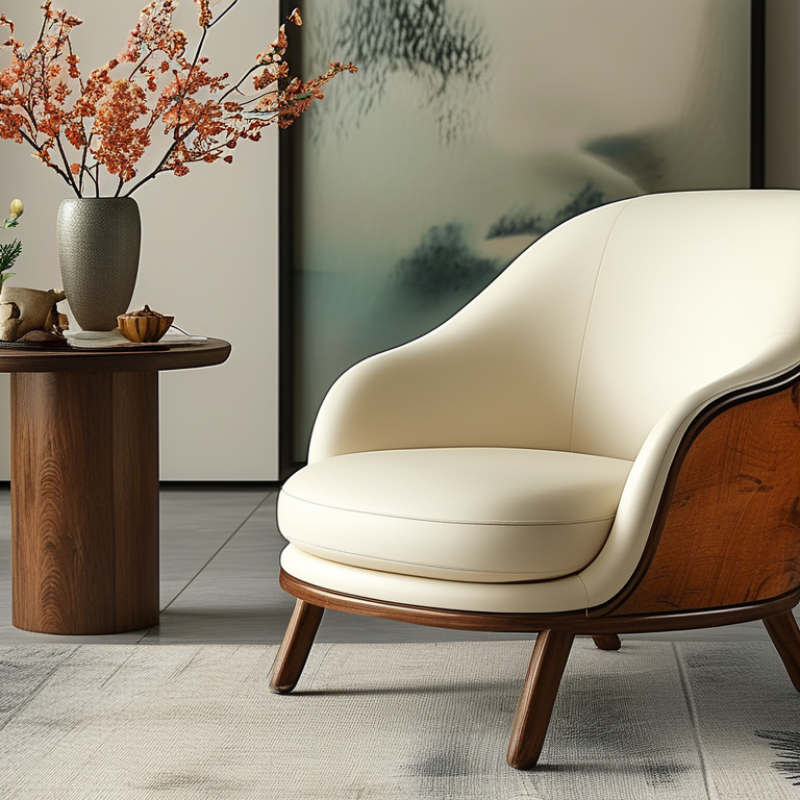
Traditional Chinese chair styles feature a rich history that enhances classic home interiors. Influenced by culture and craftsmanship, these chairs carry a sense of elegance. The distinctive curved lines and intricate carvings reflect the artistry of past dynasties. Each piece tells a story, bringing character to any space.
One popular style is the Ming Dynasty chair. It boasts clean lines and simplicity, ideal for minimalist homes. The hardwood gives it durability and a timeless appeal. Meanwhile, the Qing Dynasty chair, often more ornate, showcases intricate designs and luxurious finishes. These chairs serve as statement pieces, drawing attention to their craftsmanship.
Incorporating these styles into your home can elevate its decor. However, it is essential to balance aesthetics with comfort. While ornate designs are stunning, they may lack ergonomic support. Consider mixing styles or adding cushions for a more inviting feel. This approach maintains the beauty of traditional designs while enhancing daily usability.
| Chair Style | Material | Color | Ideal Room Type | Key Features |
|---|---|---|---|---|
| Ming Style Chair | Wood | Natural Brown | Living Room | Simplicity, Elegance |
| Qing Style Armchair | Rosewood | Deep Red | Study | Curved Lines, Rich Texture |
| Chinese Rocking Chair | Bamboo | Yellow | Garden | Relaxation, Nature Vibes |
| Lotus Chair | Wood and Fabric | White and Blue | Dining Room | Comfortable, Stylish |
| Folding Stool | Bamboo | Natural | Multipurpose | Portable, Space-saving |
Modern minimalist chair designs are increasingly favored in contemporary living spaces for their sleek aesthetics and functionality. According to a report by the Furniture Market Research Institute, about 32% of urban homeowners prefer minimalist styles in their interiors. This trend reflects a shift towards creating open spaces that promote simplicity and peace.
The essence of minimalist chair design lies in clean lines and muted colors. Materials such as molded plastic, bent wood, and metal frame chairs are common. For instance, many designers integrate ergonomic features while maintaining a compact look. Interestingly, a 2023 survey indicated that 45% of individuals value comfort and support in their furniture choices, balancing style with practicality.
However, embracing minimalism isn't without challenges. Some individuals struggle with the lack of warmth in a purely minimalist setting. The absence of decorative elements can lead to a sterile environment. Reflecting on personal experiences, those who adopt a minimalist approach often find themselves craving additional textures or colors to break the monotony. This dichotomy highlights a deeper aspect of home decor—finding the right balance between simplicity and warmth remains a personal journey.
When it comes to chair manufacturing in China, eco-friendly materials are gaining significant attention. Many manufacturers now prioritize sustainable sourcing. Bamboo, for instance, stands out as a popular choice. It's not only renewable but also durable. Using bamboo results in chairs that are lightweight yet sturdy, ideal for various home decors.
Another material increasingly embraced is reclaimed wood. This method not only reduces waste but also adds character to furniture. Each piece tells a unique story, showcasing the wood's history. However, reliance on reclaimed materials may sometimes lead to inconsistencies in quality. It requires careful selection and craftsmanship to ensure durability.
Innovations in biodegradable plastics are also emerging. These materials offer an alternative to traditional options. They contribute to reduced pollution and waste. However, awareness around their long-term use is still developing. As consumers, we must consider the balance between style and environmental impact when choosing our furniture.
Chinese chair designs are deeply influenced by cultural traditions. From sleek lines to intricate carvings, each style reflects a story. The use of natural materials, like wood and bamboo, showcases a connection to nature. This harmony emphasizes functionality alongside aesthetic beauty.
Practicality is central in Chinese chair design. Many chairs serve multiple purposes, adapting to various spaces and needs. For instance, some folding chairs embody simplicity and elegance. Yet, aspects of modern living sometimes clash with traditional ideals. The challenge lies in balancing old and new, maintaining cultural integrity while catering to contemporary tastes.
Every chair tells a tale of history and heritage. Yet, some designs may feel dated or impractical for today's fast-paced lives. Consumers must reflect on what resonates with them. Are they drawn to tradition, or do they favor modern interpretations? This tension adds complexity to the choice of furniture. It also encourages a dialogue about what home decor should represent in different cultures.
When selecting chairs for small spaces and multipurpose rooms, think about functionality and style. Compact chairs can save space while offering comfort. Look for designs that stack or fold, making them easy to store. Versatile seating options, like ottomans, can serve multiple purposes and provide extra storage.
**Tips:** Consider colors and fabrics that align with your existing decor. Neutral tones often blend well, while vibrant colors can make a statement. Pay attention to the material's durability, especially if you frequently move the chairs around. Be mindful of how seating arrangements affect flow in your space. Too much furniture can make a room feel cramped and uninviting.
A chair's height and width are crucial for comfort. Ensure that the chair suits the table or other furniture in the room. It’s essential to test chairs before purchasing. Sit on them, feel the sturdiness, and see if they fit your needs. Always measure your available space to avoid unpleasant surprises later. Consider how often you will use them as well; heavy chairs might be a hassle for daily movements.