
Skip to content

Why Choose Fabric Chairs for Global Commercial Projects?

Choosing seating for global commercial projects involves more than matching colors to a design concept. Fabric Chairs can support comfort, visual warmth, and practical brand expression across offices, hotels, restaurants, and public spaces. Their wide range of textures and colors helps designers create distinct environments without changing the basic seating structure. A softly woven gray chair may suit a quiet meeting room, while a durable blue textile can energize a busy hospitality lounge.

Performance matters just as much as appearance. Experienced project teams review abrasion resistance, seam quality, foam recovery, cleaning instructions, and supplier consistency. They also check fire performance and accessibility requirements according to each project’s location and building regulations. These details reduce costly replacements and help maintain a consistent guest experience across different regions. However, specifications should never be accepted blindly. A fabric tested in a laboratory may behave differently under heavy use, frequent cleaning, or strong sunlight.

That difference matters.

In real projects, fabric can absorb spills, show uneven wear, or vary slightly between production batches. Careful sampling, mock-up reviews, and maintenance planning can expose these risks before installation. Procurement teams should also confirm lead times, replacement fabric availability, and documentation from reliable manufacturers. Fabric Chairs are not automatically the best choice for every environment. Yet, when comfort, acoustic softness, design flexibility, and verified durability are balanced, they can become a dependable long-term solution. The strongest decisions come from testing the chair in realistic conditions, not from selecting a sample by appearance alone.

Why Choose Fabric Chairs for Global Commercial Projects?

What Are Fabric Chairs in Global Commercial Projects?

In global commercial projects, fabric chairs are seating products with upholstered textile surfaces over foam, padding, and a supporting frame.

They appear in offices, hotels, schools, meeting rooms, waiting areas, and shared workspaces. Their value is practical, not decorative alone.

Fabric can soften a large room, reduce visual hardness, and offer many colors or textures for different interiors.

Commercial fabric chairs must suit their environment.

High-use spaces need durable upholstery, strong stitching, and stable frames. Projects also consider cleaning methods, fire performance, moisture exposure, and local safety requirements.

A chair that works well in a dry office may fail in a humid lobby. In project reviews, teams should inspect seams, underside construction, replacement options, and maintenance instructions. These details often receive too little attention. No material is perfect.

Tips:

Match fabric performance with expected traffic, not just the purchase budget. Request abrasion, colorfastness, and cleaning information from suppliers. Test a sample under real lighting.

Sit on it for several minutes. Check whether the seat remains comfortable after repeated use. Also confirm regional compliance requirements before ordering internationally, because documentation and testing expectations can differ.

A small trial installation may reveal problems that drawings cannot show. Fabric can still stain. Good planning reduces that risk.

Which Performance Features Make Fabric Chairs Suitable for Business Spaces?

Why Choose Fabric Chairs for Global Commercial Projects?

Fabric chairs suit business spaces because they combine comfort, acoustic softness, and practical maintenance. In occupied offices, textured upholstery feels warmer than exposed plastic or metal. It also reduces visual harshness in meeting rooms and reception areas. Small details matter.

Durability should be verified, not assumed. BIFMA X5.1 includes stability, strength, and repeated-load testing for office seating. Upholstery should also show abrasion results under ISO 12947 testing. Higher cycle ratings usually indicate better resistance to daily friction, but laboratory results cannot predict every workplace. Sand, denim, food spills, and careless dragging still cause damage. That is the uncomfortable part.

Safety and air quality require equal attention. Low-emitting materials can support healthier interiors, while certificates aligned with recognised emissions standards offer clearer evidence. The 2023 Global Status Report for Buildings and Construction reported that buildings produced 37% of global energy-related emissions. Chair selection cannot solve that problem, yet durable frames, replaceable covers, and recyclable components can reduce premature replacement. Fabric also supports colour zoning and wayfinding across international projects. Performance varies by weave, backing, cleaning method, and local climate. A fabric successful in a dry office may perform poorly in a humid one. Procurement teams should request test reports, cleaning instructions, fire-performance documentation, and spare-fabric availability before approving large orders.

Why Choose Fabric Chairs for Global Commercial Projects?

Indicative upholstery abrasion-resistance benchmarks for business spaces

Fabric chairs are widely specified for commercial interiors because they can combine durability, comfort, acoustic softness, color flexibility, and replaceable upholstery. Martindale abrasion results are commonly used during procurement: approximately 30,000 cycles is often treated as a general commercial benchmark, while 50,000 and 100,000 cycles are commonly considered for heavier-traffic environments. Actual requirements vary by project, test method, local regulations, and cleaning protocol.

Reference basis: commonly used commercial upholstery procurement benchmarks; always confirm the applicable EN, ASTM, or local project specification.

How Do Fabric Chairs Support Comfort, Design, and Brand Identity?

Why Choose Fabric Chairs for Global Commercial Projects?

Fabric chairs support comfort, design, and brand identity without making a workplace feel overly corporate. The Steelcase Global Report found that 87% of employees wanted to work from home at least part of the time. Flexible offices therefore need seating that supports focused work, meetings, and quick collaboration. Fabric upholstery feels warmer than hard surfaces. It also reduces visual noise through color, texture, and soft edges.

Comfort requires more than attractive fabric. Adjustable height, suitable seat depth, lumbar support, and breathable upholstery matter during long meetings. The World Health Organization reports that lower back pain affected 619 million people in 2020. A poorly specified chair can quietly increase discomfort. I have seen beautiful seating fail because its seat became hot after one afternoon. That detail deserves attention.

Tips: Specify abrasion-tested, low-emission fabrics and request cleaning data. Check BIFMA performance requirements, local fire regulations, and accessibility needs before ordering. Use durable neutrals in high-traffic areas, then add controlled accent colors near reception spaces. A consistent palette can express brand character across countries, but regional preferences still matter. Test samples under real lighting. Digital colors can mislead. Fabric chairs are not maintenance-free, either; replacement covers, stain resistance, and repair access should shape the specification.

What Sustainability Factors Influence Fabric Chair Selection?

Why Choose Fabric Chairs for Global Commercial Projects?

Sustainability often begins with the fabric, not the showroom appearance. In commercial projects, I examine recycled content, fiber origin, dyeing methods, and the material’s expected service life. A chair used eight hours daily needs abrasion resistance and color stability. Otherwise, replacement arrives too soon.

Low-impact selection requires evidence. Environmental product declarations can clarify emissions across manufacturing stages. Independent certifications may support claims about recycled fibers, chemical control, or responsible forestry. However, certificates should be checked for scope and validity. A recycled label alone does not prove a low-impact product.

Durability matters more than impressive percentages. Repairable upholstery can extend a chair’s working life when only the cover is damaged. Removable covers also simplify cleaning and component replacement. Yet frequent washing may increase water and energy use. That trade-off deserves attention.

Global projects add practical challenges. Fabric must tolerate local humidity, sunlight, cleaning routines, and transport conditions. Flat-pack shipping may reduce volume, but packaging still needs careful review. Local repair capacity is another factor. A sustainable specification can fail when replacement fabric must cross several borders.

I have seen teams prioritize recycled content while overlooking maintenance access. That is an easy mistake. Life-cycle cost, indoor air quality, worker conditions, and end-of-life recovery should be reviewed together. Material samples should be tested under realistic use, not only displayed under soft lighting. This process is less glamorous, but usually more reliable.
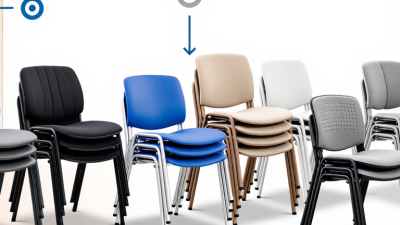
How Should Businesses Evaluate Fabric Chairs for International Use?

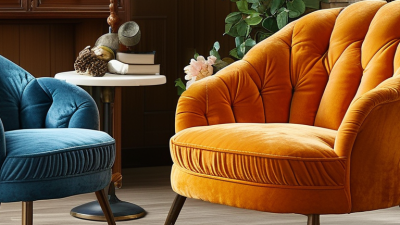
Businesses should evaluate fabric chairs by use conditions, not appearance alone. A showroom sample may look excellent under soft lighting. It can age differently in a busy airport or shared office. Review daily traffic, cleaning routines, sunlight, humidity, and expected service life before ordering.

Request test data for abrasion resistance, colorfastness, seam strength, and foam recovery. Check whether the fabric tolerates the cleaning agents used by local facility teams.

Fire performance and material documentation should match the destination market’s requirements. Ask for reports from recognized testing laboratories. Clear records are more reliable than verbal assurances.

International evaluation also includes logistics and maintenance. Confirm packaging dimensions, replacement fabric availability, spare components, and installation guidance. A chair that cannot be repaired locally may create unnecessary delays.

Small details matter. Sit-test samples with different users, including taller staff and wheelchair users. Check edge pressure, lumbar support, seat height, and stability on local flooring.

Do not ignore acoustic conditions; textured fabric may reduce visual harshness but cannot solve every noise problem. No chair performs perfectly everywhere.

A careful buyer should record weaknesses, not hide them, and accept that the lowest purchase price may produce higher costs later.

Scroll To Top