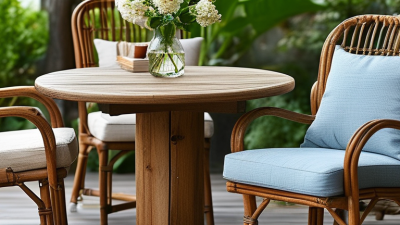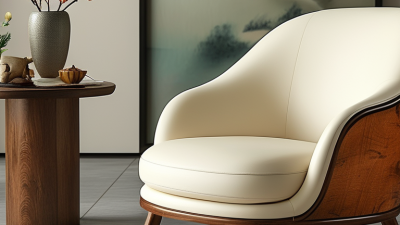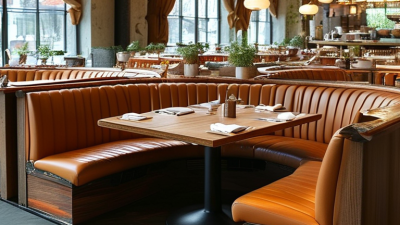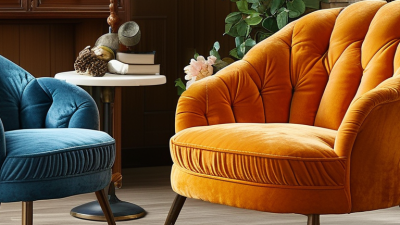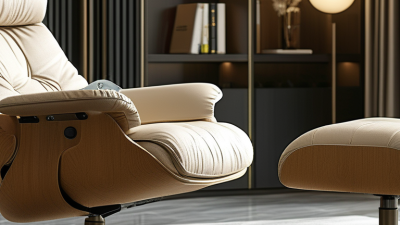
In recent years, the demand for stylish and comfortable outdoor chairs has surged. As we step into 2026, the outdoor furniture industry has evolved significantly. Experts like Emily Davis, a renowned designer, highlight this trend. She states, "Comfort and style should never be compromised in outdoor chairs." This belief is reshaping consumer preferences today.
Outdoor chairs must blend aesthetic appeal with functional design. Consumers are seeking pieces that enhance their spaces while providing comfort. The materials used range from weather-resistant metals to sustainable woods, each offering unique advantages. The right chair can transform a simple garden into a cozy retreat. However, finding the perfect balance between comfort and style can be challenging.
Some outdoor chairs prioritize looks over ergonomics, leading to discomfort during prolonged use. This discrepancy urges buyers to reflect on their choices. Investing in quality outdoor chairs is vital for a truly enjoyable outdoor experience. In a market filled with options, it's essential to consider both visual appeal and comfort. Your ideal outdoor chair is out there, waiting to elevate your outdoor living space.
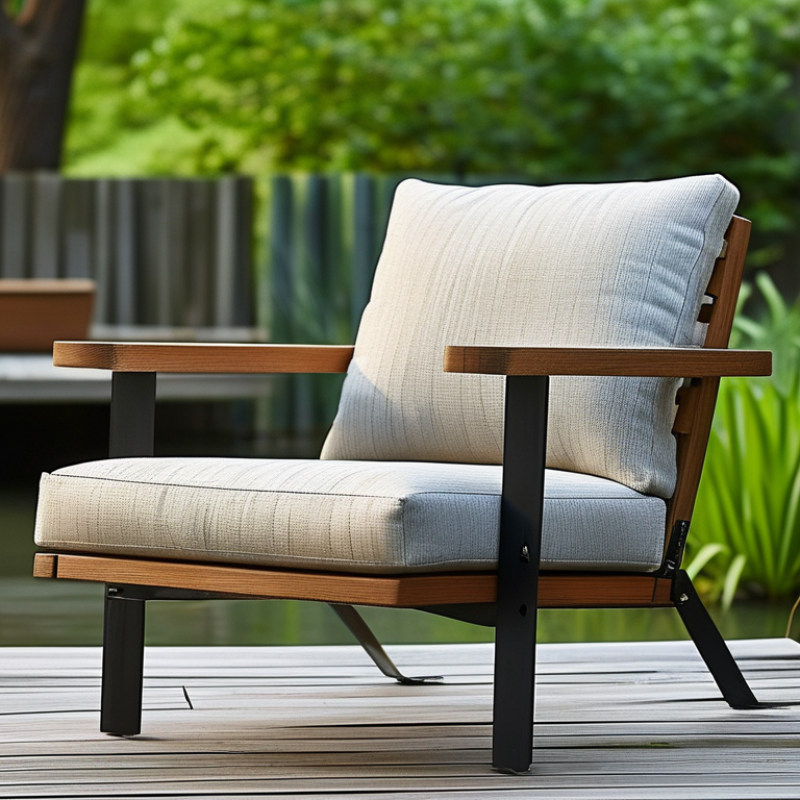
When exploring the best outdoor chairs for 2026, comfort and style trends are critical. Recent studies show that over 70% of consumers prioritize comfort in outdoor furniture. This trend reflects a growing awareness of ergonomics. The right chair can enhance relaxation and support well-being. Features like adjustable backrests and cushioned seating are in demand. These aspects can significantly influence your time spent outdoors.
Eco-friendliness is also a central theme. A survey by the Outdoor Furniture Association reveals that 65% of buyers prefer sustainable materials. This shift indicates a desire for longevity and environmental responsibility. Chairs crafted from recycled plastics or sustainably sourced wood are gaining popularity. However, not all sustainable designs are comfortable. A balance between form and function is often lacking. It's essential to experiment with different styles and materials to find what truly suits you.
The aesthetic aspect of outdoor chairs cannot be ignored. Current trends lean towards natural, muted colors that blend seamlessly with outdoor environments. Yet, some designs may sacrifice comfort for style. Bold patterns and vibrant colors draw attention, but they might not offer the best lounging experience. Ultimately, finding the perfect outdoor chair is a reflection of personal taste and lifestyle, and it may take some trial and error to get it right.
When selecting outdoor chairs, material choices significantly influence comfort and durability. Weather-resistant materials are vital for chairs exposed to the elements. Aluminum frames provide rust resistance and lightweight functionality. They’re easy to move yet sturdy enough to withstand strong winds. However, they may get hot in direct sun, affecting comfort.
Wood is another popular option for outdoor chairs. Teak, for example, offers natural oil content that resists moisture and decay. Its beautiful grain pattern adds aesthetic charm. Still, wooden chairs can be heavy and require regular maintenance to stay in prime condition. Water sealing and oiling are essential steps to prolong their life and enhance comfort.
Textiles also play a crucial role. Sunbrella fabrics, known for their fade resistance, are great for cushions. They provide a soft touch while being easy to clean. Yet, some fabrics may lose their softness over years in sunlight. Considering how material interacts with outdoor conditions is critical. A balance between durability and comfort is necessary for choosing the best outdoor chair. Always take the time to evaluate how these materials will hold up in your specific environment.
Ergonomics plays a crucial role in outdoor seating, making comfort a priority for those who spend time outside. In 2026, outdoor chairs have evolved significantly. Designers focus on the body’s natural posture. Curved seats and supportive backs alleviate strain. This design method promotes relaxation and longer sitting periods.
Materials also impact comfort. Breathable fabrics allow air circulation, keeping users cool and dry. Some chairs feature memory foam cushions that adapt to body shape. The right height encourages proper leg positioning. However, many still overlook the need for adjustability in outdoor seating. Fixed designs may lead to discomfort after extended use.
Style should not take a backseat to comfort. Outdoor chairs blend aesthetics with ergonomic principles. Sleek, modern designs enhance outdoor spaces. Yet, as trends evolve, some may prioritize appearance over usability. Balancing both forms is essential for long-term satisfaction. Investing in ergonomic "best practices" ensures that style and comfort coexist beautifully.
In 2026, outdoor chairs are set to embrace bold designs and sustainable materials. Trends suggest that natural elements will dominate, with bamboo and recycled plastics leading the way. According to recent industry reports, over 45% of consumers now prioritize eco-friendly options for outdoor furniture. This means that aesthetics will blend seamlessly with environmental responsibility.
Textured fabrics are gaining popularity, enhancing comfort while appealing to the eye. Woven patterns and earthy tones are expected to be in high demand. Research indicates that outdoor spaces designed with comfort in mind encourage more time spent outdoors. As a result, designers are focusing on ergonomic shapes. Traditional dining chairs are evolving into chic lounge styles for added relaxation.
However, the push for stylish outdoor seating doesn't come without challenges. Many products compromise durability for design. This creates a gap between visual appeal and long-term usability. Buyers must navigate this delicate balance. Understanding individual needs and preferences is crucial in an ever-changing market. As trends evolve, consumers may find themselves rethinking their choices.
As outdoor living spaces gain popularity, eco-friendly chairs have become essential. Many people now want stylish, comfortable options made from sustainable materials. This shift reflects a growing awareness of our environmental impact. Choosing chairs made from responsibly sourced wood or recycled materials can enhance your outdoor aesthetic while supporting the planet.
Design plays a crucial role in these sustainable chairs. They often feature natural finishes, blending seamlessly with outdoor environments. Some designs incorporate innovative materials like bamboo or durable ocean plastics. The combination of aesthetics and eco-friendliness is crucial for modern living spaces. However, not every eco-friendly chair offers comfort and support. It's vital to test these chairs and find the right balance between style and usability.
The allure of eco-friendly furniture comes with challenges. These chairs may carry a higher price tag, reflecting the cost of sustainable practices. Additionally, not all options are suited for every climate. Some materials require more maintenance than you might expect. Understanding these factors can help make informed decisions for your outdoor oasis.