Skip to content

2026 Top Restaurant Booths Trends for Global Buyers?

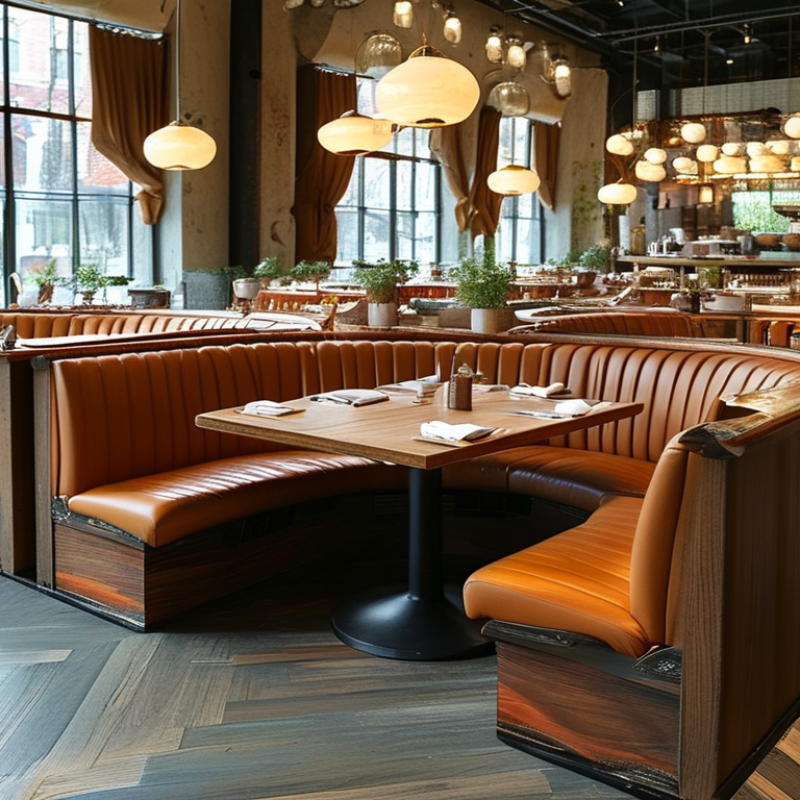
The world of restaurant booths is evolving rapidly. As we look toward the future, trends for 2026 are shaping up to be more dynamic than ever. John Smith, a renowned expert in restaurant design, remarked, "The right restaurant booths create an inviting atmosphere that enhances the dining experience." This reflects the ongoing transformation and importance of design in the food industry.

Today's global buyers are seeking innovative ideas that go beyond traditional booths. Materials, shapes, and functionality all play a crucial role in attracting customers. For example, eco-friendly materials and modular designs are becoming increasingly popular. These trends cater not only to aesthetic appeal but also to sustainability and comfort.

As restaurant booths set the stage for dining experiences, they also reflect cultural shifts. The need for privacy and comfort is greater than ever. However, it's essential for businesses to balance style with practicality. In this competitive market, every detail matters. Some businesses might overlook the finer points of comfort and design, leading to missed opportunities. By understanding the importance of restaurant booths, owners can better position themselves for success in the evolving landscape of the dining industry.
2026 Top Restaurant Booths Trends for Global Buyers?

Emerging Design Concepts for 2026 Restaurant Booths

The restaurant booth design landscape is evolving rapidly. Emerging concepts for 2026 focus on personalization and functionality. Many diners now prefer booths that provide a sense of privacy while allowing for social interaction. According to a recent industry report, 65% of customers favor cozy seating arrangements, making them a key design element.

Sustainable materials are gaining traction. Creators are using reclaimed wood, recycled plastics, and eco-friendly fabrics. These materials align with a growing consumer demand for environmentally responsible dining experiences. A survey revealed that 70% of diners are more likely to support restaurants that prioritize sustainability in their designs.

Technology integration is also shaping booth designs. Interactive screens and charging ports are becoming common features. However, not all restaurants adapt to this trend effectively. Poorly placed technology can hinder the dining experience. Successful booths strike a balance between tech and comfort, enhancing the overall atmosphere without overwhelming guests. Designers must keep experimenting with layouts and features to meet evolving expectations.
Sustainable Materials and Eco-Friendly Practices in Booth Design

Sustainable materials are shaping the future of restaurant booth designs. A recent industry report indicates that over 70% of consumers prefer eco-friendly dining environments. This shift reflects an increasing awareness of environmental issues. Designers are exploring renewable materials, such as bamboo and recycled plastics. These materials are not only stylish but also reduce waste.

Eco-friendly practices extend beyond materials. Many designers are prioritizing energy-efficient lighting and natural ventilation. For instance, booths equipped with LED lighting reduce energy use by up to 75%. This approach aligns with growing consumer expectations for sustainability. However, implementing these designs can be complex. Some firms hesitate to invest, fearing higher initial costs.

A study conducted by the National Restaurant Association found that nearly 50% of restaurateurs feel uncertain about sustainable investments. This hesitation stems from a lack of knowledge on long-term benefits. Educating industry professionals is crucial. Collaborations between designers and restaurateurs can initiate change. By sharing insights and experiences, they can navigate the challenges together.

Technological Innovations Enhancing Restaurant Booth Experiences

The restaurant industry is witnessing a shift, driven by technological innovations enhancing booth experiences. Smart booths equipped with touchscreens allow customers to browse menus easily. These screens can showcase visuals of dishes, making it more engaging for diners. Interactive features let guests place orders directly, minimizing wait times and streamlining operations.

Lighting also plays a significant role in modern restaurant booths. Adjustable LED lights create a mood that can enrich the dining ambiance. Some establishments experiment with dynamic lighting that changes throughout the meal, enhancing the overall experience. Booth designs incorporate soundproofing materials as well, providing a serene dining atmosphere amidst a bustling environment.

Yet, the integration of technology is not without its challenges. Some customers prefer personal interaction over screens. There can be a learning curve for both staff and patrons adapting to new systems. It’s essential for restaurant owners to balance technology with the human touch. Striking this balance can determine the success of the dining experience.

Cultural Influences Shaping Global Restaurant Booth Trends

Cultural influences play a significant role in shaping restaurant booth trends globally. As diners seek unique experiences, design elements reflect diverse cultural aesthetics. For instance, traditional Japanese minimalism emphasizes clean lines and natural materials. This trend promotes a sense of calm, appealing to those desiring a serene dining atmosphere. Mediterranean influences introduce vibrant colors and rustic textures, creating warmth and encouraging social interaction among diners.

Global cuisines also inspire functional booth designs. For example, Middle Eastern settings often feature ornate décor and plush seating, inviting guests to relax and linger. However, implementing such culturally rich designs can pose challenges. Designers must ensure authenticity without veering into stereotypes. There is a fine line between representation and appropriation. Understanding cultural nuances is crucial for success.

Sustainability is another important trend influenced by cultural values. Many cultures emphasize harmony with nature, prompting the use of eco-friendly materials. This shift not only meets consumer demand but also aligns with ancient wisdom about respecting the environment. Nonetheless, achieving true sustainability in design remains a goal for many. The balance between aesthetics and environmental responsibility is ongoing, demanding reflection from designers. Each cultural influence offers lessons and challenges, ultimately enriching the global dining landscape.

2026 Top Restaurant Booths Trends for Global Buyers

Trend Description Cultural Influence Expected Impact
Sustainable Materials Use of eco-friendly and recycled materials in booth designs. Growing environmental awareness. Positive brand perception and customer loyalty.
Open Concept Design Booths designed to create an open and inviting atmosphere. Trends in social dining experiences. Increased customer engagement and social interactions.
Technology Integration Incorporation of digital menus and interactive screens. Rise of tech-savvy consumers. Enhanced customer experience and operational efficiency.
Cultural Theming Booths designed around specific cultural motifs or cuisines. Increasing global culinary diversity. Appeals to a diverse customer base.
Comfort-Oriented Layouts Focus on creating cozy and relaxing dining environments. Shift towards wellness and mental health awareness. Enhances customer satisfaction and retention.

Consumer Preferences and Market Demands in Booth Seating Solutions

In the evolving landscape of restaurant design, booth seating solutions have emerged as a focal point for creating memorable dining experiences. Today's consumers are seeking comfort and privacy without sacrificing style. The trend leans toward plush upholstery and stylish partitioning, catering to diners who appreciate a cozy atmosphere. Some booths now feature integrated technology for convenience, addressing the demand for seamless digital interactions.

However, while aesthetic appeal is crucial, practicality also plays a vital role in consumer choices. Maintenance of booth seating is often overlooked. Fabrics should be durable and easy to clean, given the high turnover rates in most establishments. Additionally, the layout must facilitate efficient traffic flow for staff and patrons. Addressing these details can greatly impact the overall dining experience.

Flexibility in design is another area needing reflection. While many restaurants prefer fixed booths, modular options can adapt to changing needs. This flexibility can enhance functionality but might complicate space planning. Striking the right balance between permanence and adaptability is essential for contemporary dining spaces. As consumer preferences evolve, so must the approach to booth seating solutions.

Scroll To Top