
What Are the 10 Best Side Chairs for Every Room?
Choosing the right Side Chairs can change how a room feels, functions, and welcomes people. A slim oak chair may brighten a narrow hallway. A cushioned armchair can make a quiet bedroom corner feel finished. The best choice depends on more than appearance.
Frank Lloyd Wright once observed, “A chair is a very difficult object. A skyscraper is almost easier.” His remark still feels accurate. A chair must support the body, fit the room, and survive daily use. Side Chairs must also work without overwhelming surrounding furniture.
This guide explores 10 strong options for dining rooms, living rooms, bedrooms, offices, entryways, and occasional spaces. Each selection considers comfort, proportions, materials, maintenance, and visual character. We will look at curved backs, woven seats, upholstered forms, molded shells, and lightweight metal frames.
Small details matter. Check the seat height beside your table. Notice whether the front legs obstruct movement. Feel the edge beneath your knees. A beautiful chair can become frustrating after one long dinner.
Some choices will suit compact apartments. Others need generous space and stronger architectural presence. Not every recommendation will fit every household. That is part of the decision.
Style is personal.
Practical judgment matters more.
The strongest Side Chairs balance usefulness with personality. They should look intentional, yet remain easy to live with. This list offers a thoughtful starting point, not a permanent rulebook. Rooms change. Tastes shift. Even an excellent chair may need reconsideration after real use.
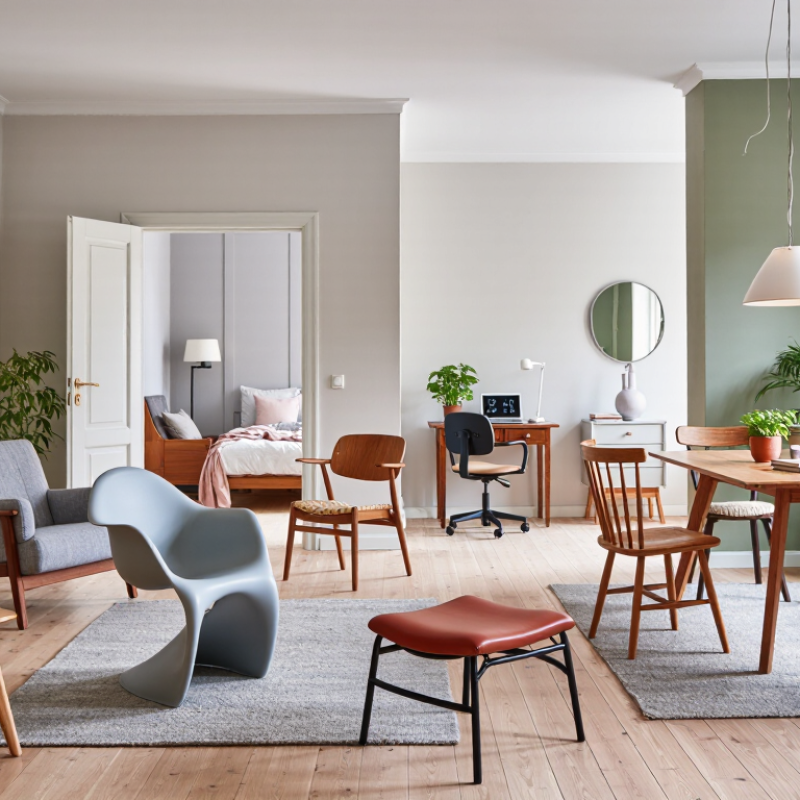
What Defines a Side Chair and Where It Works Best
What Are the 10 Best Side Chairs for Every Room?
A side chair is a lightweight, armless chair designed to support extra seating. It usually lacks upholstery across the arms and feels visually quieter than an armchair. In practice, it works beside a dining table, under a bedroom desk, near an entry console, or beside a reading lamp. The best choice depends on clearance, posture, and traffic. Measure first. A beautiful chair can still block a drawer.
The Gensler Research Institute’s 2024 Global Workplace Survey examined more than 14,000 office workers and emphasized varied settings for different tasks. That finding applies at home, too. A side chair can create a flexible work corner without dominating the room. For dining, allow roughly 24 inches of table width per person. For desks, check seat height against the desktop. Small errors become uncomfortable quickly. They are easy to miss.
Safety matters as much as style. ANSI/BIFMA X5.1 establishes performance and durability tests for general-purpose office seating, including stability and strength. Residential chairs may follow different requirements, so buyers should inspect construction details carefully. Look for level legs, secure joints, and a seat that does not flex excessively. In my experience, woven seats feel inviting, but they can catch crumbs and pet hair. That trade-off is often overlooked.
What Are the 10 Best Side Chairs for Every Room? - What Defines a Side Chair and Where It Works Best
| # | Side Chair Type | Defining Characteristics | Best Room or Location | Typical Dimensions | Common Materials | Practical Advantages | Key Consideration |
|---|---|---|---|---|---|---|---|
| 1 | Classic Wooden Dining Chair | A backrest and seat without armrests, designed for upright dining posture. | Dining room, breakfast nook, or kitchen table | 17–19 in W × 19–22 in D × 32–36 in H | Solid wood or wood composite; upholstered or contoured seat | Durable, easy to position, and visually compatible with most dining tables | Allow approximately 10–12 in between the seat and tabletop for comfortable leg clearance. |
| 2 | Upholstered Accent Chair | A compact, decorative chair with a padded seat and back, usually without arms. | Living room, bedroom corner, or entryway | 18–22 in W × 20–24 in D × 30–35 in H | Hardwood frame, foam cushioning, woven fabric, or performance upholstery | Adds color and comfort while occupying less space than a lounge chair | Choose a durable, removable, or stain-resistant cover in high-traffic areas. |
| 3 | Armless Desk Chair | A compact chair intended for a desk, often with a supportive back and modest cushioning. | Home office, study, or bedroom workspace | 17–21 in W × 18–23 in D × 30–36 in H; seat height commonly 17–19 in | Wood or metal frame, molded plastic, mesh, or fabric upholstery | Slides under many desks and keeps a small workspace visually open | For extended computer work, prioritize lumbar support and an appropriate seat height. |
| 4 | Bentwood Side Chair | A lightweight chair formed from curved wood components with a simple, airy profile. | Dining area, café-style kitchen, or reading corner | 16–19 in W × 19–22 in D × 30–35 in H | Laminated wood veneer, plywood, solid wood, and protective finish | Lightweight, stackable in some designs, and suitable for compact rooms | Inspect joints and finish quality because curved wood parts can be sensitive to moisture. |
| 5 | Woven or Cane Side Chair | A breathable seat or back made from woven natural or synthetic strands. | Sunroom, dining room, covered porch, or coastal-style living area | 17–20 in W × 19–23 in D × 31–36 in H | Rattan, cane, seagrass, synthetic wicker, or wood frame | Promotes airflow and introduces natural texture without visual heaviness | Natural woven materials generally perform best indoors or in protected outdoor areas. |
| 6 | Metal Café Chair | A streamlined, hard-wearing chair with a metal frame and a firm seat. | Kitchen, dining area, breakfast bar, or covered patio | 16–19 in W × 18–22 in D × 30–35 in H | Powder-coated steel, aluminum, molded plastic, or rubber feet | Easy to clean, resistant to frequent use, and often stackable | Metal can feel cold or hard; add a seat cushion if long meals are common. |
| 7 | Folding Side Chair | A portable chair with a hinged frame that folds flat for storage. | Guest room, multipurpose room, event area, or small apartment | 16–19 in W × 18–22 in D × 29–35 in H when open | Steel or aluminum frame with wood, plastic, or padded seat | Provides occasional seating and can be stored in a closet or behind furniture | Check the locking mechanism and place the chair fully open before sitting. |
| 8 | Parsons-Style Side Chair | A fully upholstered, straight-backed chair with clean lines and a concealed frame. | Formal dining room, bedroom, or dressing area | 18–21 in W × 21–25 in D × 35–40 in H | Wood frame, foam padding, textile upholstery, and protective glides | Comfortable for dining and effective at creating a coordinated, tailored appearance | Its larger padded profile requires more clearance than a lightweight wooden chair. |
| 9 | Plastic Shell Side Chair | A molded seat and back supported by a wood or metal base, often with a curved ergonomic shape. | Kitchen, children’s study area, dining room, or casual workspace | 17–20 in W × 18–22 in D × 30–34 in H | Molded polypropylene or other durable plastic; metal or wood legs | Lightweight, wipe-clean, and available in many neutral or bright colors | Confirm that the shell is rated for the intended weight and frequency of use. |
| 10 | Compact Slipper Chair | A low, armless upholstered chair with a deep seat and relaxed, lounge-like proportions. | Bedroom, reading nook, dressing area, or small living room | 20–25 in W × 25–30 in D × 28–33 in H | Wood frame, foam padding, fabric, velvet, or synthetic upholstery | Offers comfortable occasional seating while fitting beneath windows or beside cabinets | Its low seat may be less suitable for dining or users who need easy standing support. |
Note: Dimensions are typical ranges for residential side chairs. Always verify the exact product measurements, seat height, weight capacity, and recommended use before purchase.
Related Posts
-
How to Choose Metal Chairs for Commercial Use in 2026?
-
What is Banquette Seating and How to Choose the Best Options?
-

Why Are Office Chairs Important for Productivity?
-
Top 10 Fabric Chairs to Buy for Your Home in China?
-
What Is the Best Type of Banquette Seating in 2026?
-
What Are the Top 10 Types of Office Chairs?