Skip to content

How to Choose Metal Chairs for Commercial Use in 2026?

Choosing Metal Chairs for commercial use in 2026 is less about appearance alone and more about how a chair performs through a long, busy day. In a café, that may mean repeated movement across hard floors, quick wipe-downs, and customers shifting in their seats. In a conference room, stability and comfort matter over longer periods. The right choice depends on the setting, expected use, and maintenance routine.

Commercial seating specialist Elena Morris sums up the buying principle: “A chair earns its place when it stays steady, cleans easily, and still feels right after hours of use.” Treat that as a practical guide, not a substitute for product testing. Check the frame material and finish, inspect joints and welds, and sit in a sample if possible. Small details matter. A sharp edge, loose foot glider, or uncomfortable seat can become a recurring problem.

This guide will help buyers compare construction, ergonomics, finishes, and lifecycle costs when evaluating Metal Chairs. It will also consider stackability and storage, because floor space is never quite as generous as a product photo suggests. Specifications are useful, but they do not tell the whole story. Ask suppliers how products are tested and what care they recommend, then verify those details against your actual use. Even careful planning can miss something. That is worth admitting before placing a large order.
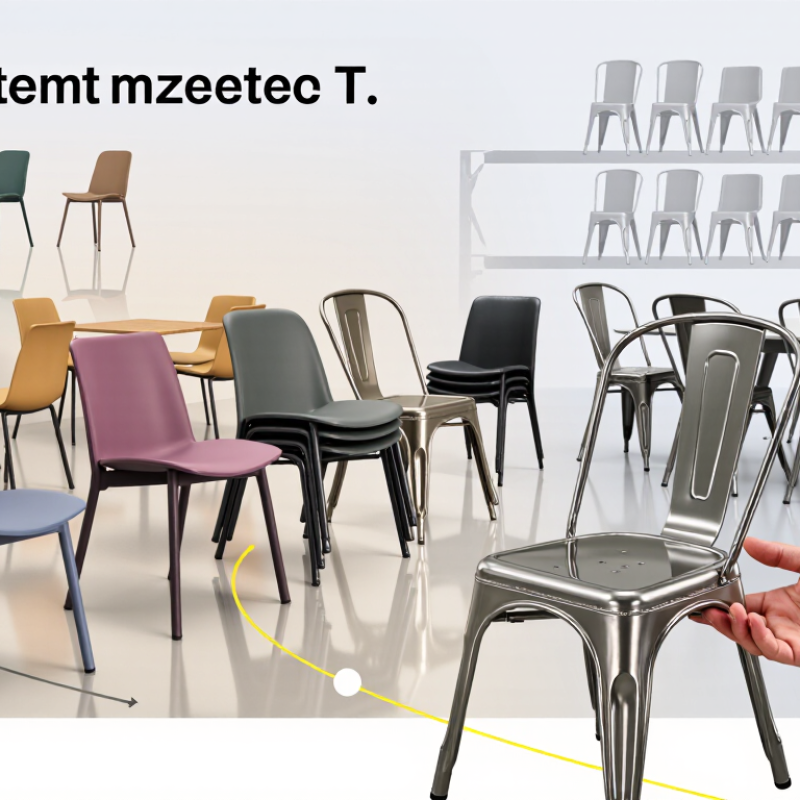
How to Choose Metal Chairs for Commercial Use in 2026?

Define the Commercial Setting and Chair Performance Requirements

Commercial chairs should match the setting before they match the decoration. A busy café needs different performance from a private dining room. Traffic changes everything. Count daily users, peak hours, table spacing, and cleaning frequency. A chair used eight hours daily needs stronger joints than one used twice weekly. In restaurants, allow enough clearance for staff movement and customer comfort. In conference rooms, prioritize supportive backrests and stable seating during long meetings.

Metal construction can improve durability, but material choice still matters. Powder-coated steel resists common scratches and supports frequent cleaning. Aluminum reduces weight, which helps staff rearrange flexible spaces. However, lightweight chairs may move too easily on smooth floors. Check the frame welds, leg geometry, and fasteners. Uneven floors expose weak designs quickly. Measure the floor. Add protective feet that will not mark tile, wood, or polished concrete.

Performance testing should reflect real use, not showroom conditions. Place sample chairs near a service counter, then inspect them after repeated movement. Test stacking, lifting, and cleaning with the products used on site. A chair may pass a basic load test yet feel unstable when guests lean sideways. That detail is easy to miss. Consider heat, moisture, sunlight, and accidental spills. No specification replaces observation. The practical choice may look less refined, but it should remain steady, repairable, and comfortable after months of commercial pressure.

Compare Metal Types, Finishes, and Structural Construction

For commercial spaces in 2026, selection starts with metal type, not appearance. Steel offers high rigidity and supports frequent daily use. Aluminum weighs less and resists corrosion in many outdoor settings. Stainless steel suits damp dining rooms, kitchens, and coastal locations. In a busy café, I check whether two staff members can move a chair safely. That practical test often reveals more than a product sheet. Still, no material wins every situation.

Finish affects more than color. Powder coating creates a durable surface and allows consistent visual planning across a dining area. Painted surfaces may cost less, but scratches can expose the metal beneath. A textured finish can hide fingerprints and small marks. However, rough textures collect crumbs and require careful cleaning. Inspect welds, corners, and underside supports before approving a large order. Poorly finished joints can become uncomfortable against clothing or skin.

Structural construction determines long-term stability. A reliable frame should sit flat on tile, concrete, and slightly uneven floors. Cross-braces improve strength, but they can reduce legroom. Extra metal adds durability, yet it also increases handling effort. Stackable chairs need reinforced contact points, or the finish may wear quickly. Check the stack height and lifting weight in person. I once underestimated both and created unnecessary storage problems. That mistake taught me to test the complete chair system, not just one sample. Ask suppliers for load data, coating details, replacement glides, and maintenance guidance.

How to Choose Metal Chairs for Commercial Use in 2026? - Compare Metal Types, Finishes, and Structural Construction

Metal type Typical weight and strength Finish option Corrosion and maintenance Structural construction to check Suitable commercial settings Main trade-off
Carbon steel Strong and rigid; generally heavier than aluminum. Tube diameter, wall thickness, and frame design affect overall performance. Powder coating over properly prepared metal is a common choice. Inspect coverage around joints, edges, and fasteners. Uncoated steel can rust when exposed to moisture. Clean spills promptly and repair chips in the coating to help limit corrosion. Look for continuously welded joints, smooth weld finishing, reinforced seat-to-frame connections, and stable cross-bracing where needed. Restaurants, cafés, meeting rooms, and other indoor areas where a sturdy frame is important. Often offers good rigidity, but its weight and need for coating protection may be drawbacks.
Galvanized steel Steel provides a rigid frame; the zinc coating adds corrosion protection. Weight remains generally higher than comparable aluminum designs. Hot-dip galvanizing or zinc coating; some products add a compatible topcoat for appearance and extra surface protection. Zinc protection can help resist corrosion, but damage, cut edges, and poorly protected weld areas can still be vulnerable. Suitability depends on exposure. Check that welds and cut edges receive appropriate protection after fabrication, and that feet or glides prevent prolonged water trapping. Covered patios, outdoor dining areas, and utility spaces when the manufacturer specifies the product for the intended exposure. More corrosion protection than bare carbon steel, but coating quality and post-fabrication treatment matter.
Stainless steel (commonly 304) Strong, durable, and generally heavier than aluminum. Frame geometry and tubing dimensions still determine chair stability. Brushed, polished, or passivated surfaces are common. Passivation supports the naturally protective chromium-rich surface layer. Good corrosion resistance in many indoor and outdoor environments. Salt, chlorides, and harsh chemicals can cause staining or pitting; clean and rinse as appropriate. Examine weld quality, finishing at joints, drainage points, and the grade specified for the operating environment. Higher-use venues, food-service areas, and outdoor locations where corrosion resistance is a priority. Offers strong corrosion resistance, but is typically a higher-cost option than painted carbon steel.
Aluminum alloy Lightweight and easy to move. Aluminum is less stiff than steel for the same section size, so tube profile and frame design are important. Powder coating provides color options; inspect for consistent coverage and a finish suitable for the intended indoor or outdoor use. Forms a protective oxide layer, but surface condition and alloy matter. Rinse off salt deposits and avoid prolonged contact with incompatible metals in wet conditions. Check tubing dimensions, corner bracing, weld consistency, and whether joints are welded or mechanically fastened. Confirm that the frame does not wobble under load. Terraces, cafés, event spaces, and venues where staff frequently rearrange or stack chairs. Easy to handle and naturally corrosion-resistant, but a lightweight frame may feel less rigid if poorly designed.
Aluminum with anodized finish Retains aluminum’s low weight. The finish is an electrochemically formed oxide layer rather than an applied paint film. Anodizing is available in clear and colored finishes. Color range and appearance depend on the alloy and finishing process. The anodic layer improves surface durability and corrosion resistance, but it is not immune to scratching, harsh chemicals, or chloride exposure. Inspect transitions between anodized parts, fasteners, and welds; welding can affect the appearance and protective surface near the weld. Commercial interiors and covered outdoor areas where a durable metallic appearance and low handling weight are desired. Durable surface appearance, but repairs and color matching can be more difficult than with some painted finishes.
Carbon steel with zinc plating Rigid steel construction; typically heavier than aluminum. Plating adds a thin protective metal layer to the steel surface. Electroplated zinc, sometimes with a conversion coating or clear sealer. Confirm the finish specification with the supplier. Useful for many dry indoor applications, but generally less suitable than robust outdoor-rated systems for prolonged moisture or weather exposure. Check plated coverage at fastener holes, joints, and edges, and use appropriate floor-protecting glides to reduce wear at contact points. Dry indoor dining rooms, offices, and multipurpose rooms where a metallic finish is preferred. Can provide a clean metallic look, but should not be assumed to offer long-term outdoor protection.

Selection note: These are general material and finish characteristics, not guaranteed performance ratings. Ask for the chair’s tested load rating, applicable test standard, warranty terms, and written guidance for indoor, outdoor, coastal, or high-humidity use. Compare complete chair designs, since frame geometry, weld quality, fasteners, and maintenance can affect service life as much as the metal type.

Evaluate Comfort, Ergonomics, and User Accessibility

When choosing metal chairs for commercial use in 2026, assess how people will sit, move, and get up throughout a typical day. A chair that looks sturdy may still feel unforgiving after a long meal or meeting. Check seat depth against users’ leg length, and look for a front edge that does not press sharply behind the knees. Small details matter.

Back support should feel steady without forcing one posture. If possible, test chairs with people of different heights, including staff who sit for extended shifts. Notice whether feet rest on the floor and whether the backrest supports the lower back. A little movement can help. Fixed metal seats can feel cold and hard, so consider shaped seats or removable cushions that are easy to clean and replace.

Accessibility deserves a practical test, not just a specification sheet. Measure clear space between chairs and tables, and leave routes wide enough for people using mobility aids. Arms may help some users stand, but they can prevent a chair from sliding close to a table. That trade-off is easy to miss. Ask staff and customers to try the setup, then watch where movement feels awkward. Their feedback may challenge your first choice, and that is useful.

Check Safety Standards, Maintenance Needs, and Expected Durability

How to Choose Metal Chairs for Commercial Use in 2026?
Check Safety Standards, Maintenance Needs, and Expected Durability

Commercial chairs face daily movement, spills, and uneven floors. Before ordering, check the safety and testing requirements that apply in your region and venue. Ask for documented test results, stated weight limits, and clear care instructions. Inspect the frame joints and welds; rough edges or uneven feet can become problems during busy service. Stability matters. A chair should sit level without rocking on the flooring where it will actually be used.

Tips: Test a sample in the real setting. Have staff move it, wipe it down, and sit in it repeatedly. Look for chipped coating, loose joints, or scratches around contact points. Small flaws show up fast.

Maintenance needs shape long-term costs. Powder-coated finishes can be practical, but coating quality and use conditions affect wear. Clean spills promptly, use non-abrasive cloths, and follow the maker’s guidance for cleaners. For outdoor areas, check whether the metal and finish are suitable for moisture and temperature changes. Even rust-resistant materials need attention. That is easy to forget during a rush.

Estimate durability from construction, finish, repair options, and expected daily use—not appearance alone. Ask how replacement parts are handled and whether damaged feet or fasteners can be changed. A heavier chair is not automatically safer or longer-lasting. Compare specifications with how often chairs will be stacked, dragged, or cleaned. Some details are easy to miss until the first busy season.

Choosing Metal Chairs for Commercial Use in 2026

Typical material density (g/cm³): a practical indicator of chair weight, but not a standalone measure of strength or durability.

Aluminum is much lighter than steel, which can make chairs easier to move. For commercial selection, also check applicable safety and performance standards, corrosion protection, joint construction, and the supplier’s care instructions. Actual properties vary by alloy and product design.

Balance Purchase Costs, Lifecycle Value, and Supplier Support

How to Choose Metal Chairs for Commercial Use in 2026?
Commercial chair purchasing should begin with total cost, not the lowest invoice. A cheap chair can become expensive after frequent repairs, replacement labor, and early disposal. Compare frame thickness, weld quality, surface coating, weight capacity, and stackability. Ask for test reports and realistic usage details. A chair placed in a busy café faces different stress from one used in a quiet meeting room. Measure that difference carefully.
Lifecycle value depends on daily handling. Chairs with stable feet, reinforced joints, and scratch-resistant finishes usually need fewer interventions. Check whether seats, glides, or back supports can be replaced separately. That small detail can prevent a full replacement. Still, stronger materials may increase shipping weight and storage costs. More durable is not always more economical. I have seen purchasing teams overlook warehouse space.
Supplier support also affects the real price. Request clear warranty terms, spare-part availability, packaging standards, and response times. Ask who handles damaged deliveries and how claims are documented. A reliable supplier should provide consistent specifications across production batches. Samples matter, but one sample cannot prove long-term performance. Schedule a small pilot in real operating conditions. Track loose fasteners, coating marks, cleaning effort, and staff feedback for several weeks. Some decisions will need revision. That is normal.
Scroll To Top