Skip to content

What Is the Best Type of Banquette Seating in 2026?

What Is the Best Type of Banquette Seating in 2026? The answer depends on your room, daily routines, and budget—not just the latest look. Banquette Seating can turn a narrow breakfast nook into a useful dining spot, or give a busy café more efficient seating. But a beautiful bench is not automatically comfortable. Seat depth, back angle, table height, upholstery, and access to the seats all matter.

For a home, a built-in banquette can make good use of an awkward corner, while a freestanding bench offers more flexibility if your layout changes. In restaurants, durable upholstery, easy cleaning, and sensible spacing may matter more than a custom finish. Measure the table and walkway before choosing; a few inches can affect whether guests can slide in comfortably. Consider storage, too, but remember that a hinged seat can be awkward when someone is sitting on it.

Small details count.

This guide compares popular Banquette Seating styles and explains where each one works best. It looks at materials, comfort, maintenance, and layout, with practical questions to ask before buying or commissioning a design. There is no single winner for every space. And even careful planning can miss something: the seat that looks perfect in a showroom may feel different after a long meal. Let your room’s real dimensions and everyday use guide the choice.
What Is the Best Type of Banquette Seating in 2026?

What Banquette Seating Is and How Its Main Types Differ

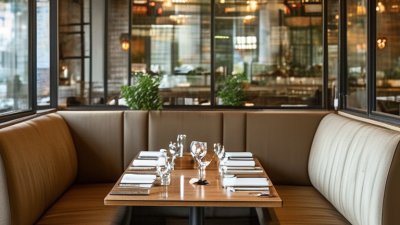
Banquette seating is a bench arranged along a wall or within a dining nook, usually paired with a table and loose chairs. Unlike individual chairs, it creates one continuous seating area and can make awkward corners usable. Its main types differ by shape, fixing, and access—not simply by appearance.

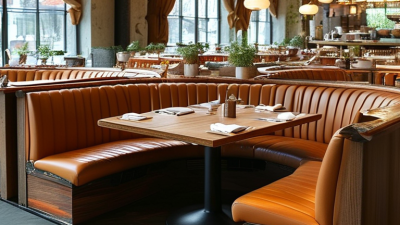
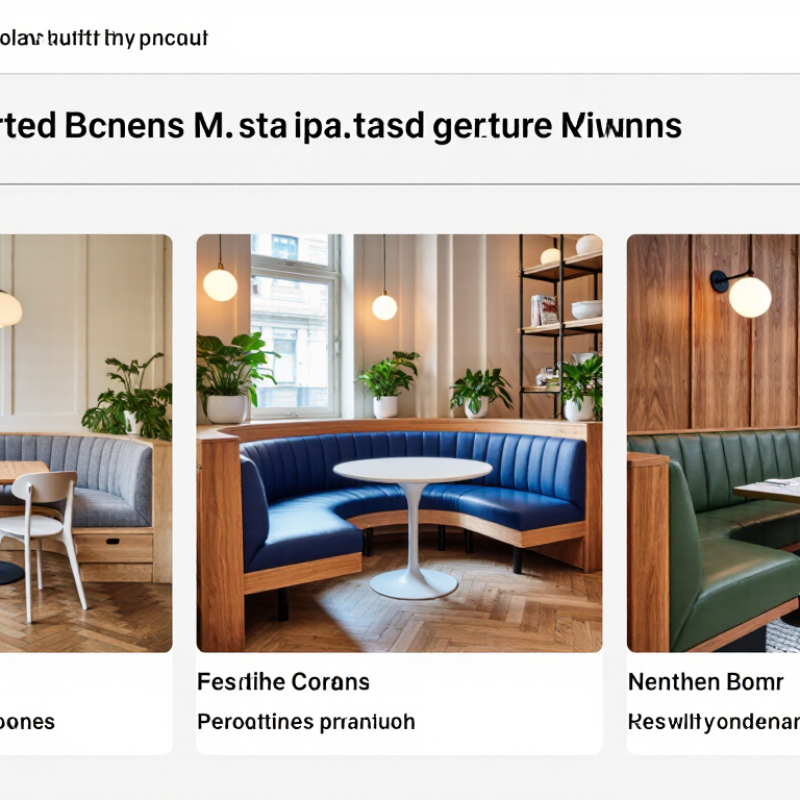
A straight, wall-mounted bench suits narrow dining areas and keeps the floor clear. An L-shaped banquette turns a corner and can seat more people, but the inner corner may be harder to enter and clean. A U-shaped version wraps around three sides, creating a snug nook that needs more floor space. Freestanding benches offer flexibility, though they can shift and usually lack built-in storage. Fit matters most.

For built-in seating, measure table height, knee clearance, and the route into each seat before choosing upholstery or storage. The U.S. Access Board’s 2010 ADA Standards require at least 5% of dining surfaces, and no fewer than one, to be accessible; commercial layouts should account for accessible seating from the start. For kitchens, Houzz’s 2024 U.S. Kitchen Trends Study found that 76% of renovating homeowners upgraded their backsplashes, a useful reminder to coordinate a banquette’s materials with nearby finishes. Still, built-ins are not automatically space-saving: a deep bench can crowd a walkway, and storage lids may be awkward under a table.

How Room Layout and Dining Habits Shape Seating Needs

What Is the Best Type of Banquette Seating in 2026?
How Room Layout and Dining Habits Shape Seating Needs

The best banquette is the one that fits your room and the way you actually eat. Start by measuring the table, chair clearance, and walking paths. Leave enough space for someone to slide in without bumping a cabinet or blocking a doorway. Small rooms need restraint. A straight, wall-mounted bench often suits a narrow kitchen, while an L-shaped design can use a corner that would otherwise sit empty. Comfort matters, too: a seat that looks neat but feels hard after ten minutes may not earn its space.

Think about daily routines before choosing a shape. Quick breakfasts may call for easy-clean upholstery and a compact bench. Long family meals need supportive backs, a practical seat depth, and room for people to move freely. A pedestal table can make entry easier than one with bulky legs. Measure the people, not just the furniture. Children may need a lower seat, while older diners may prefer a firm cushion and a clear route in and out. Even careful planning can miss something; test the layout with tape on the floor before ordering.

Tips: Mark the bench and table footprint with painter’s tape. Try sitting and getting up from each side. Check whether drawers, doors, and nearby chairs still open comfortably. If the room feels cramped during the test, it probably will at dinner.

What Is the Best Type of Banquette Seating in 2026?

How room layout and dining habits shape seating needs

Planning guide: ratings are illustrative qualitative scores from 1 (less suitable) to 5 (more suitable), not measured survey results. Wall benches suit compact layouts; corner benches balance space-saving and group dining; U-shaped benches prioritize group seating but need more room; freestanding benches offer flexibility. Choose based on your room’s dimensions, access routes, and usual party size.

How Built-In, Freestanding, and Modular Banquettes Compare

In 2026, the best banquette depends less on trend than on how your room works each day. A built-in seat can use an awkward corner efficiently and create a clean, fitted look. It may also include storage beneath the cushion. But it is a fixed decision: changing the layout later can mean costly carpentry. Measure the table, walkway, and seat depth before committing. Small errors matter.

Freestanding banquettes offer more flexibility. You can move one when guests arrive or rearrange the dining area, though gaps between furniture may waste space. Modular seating sits between the two: separate sections can form a straight bench or an L-shaped corner as needs change. Check that the connectors feel secure and that the upholstery is practical to clean. Crumbs collect quickly. For a rental or a room that may evolve, modular or freestanding seating is often easier to adapt; for a long-term home with a difficult corner, built-in seating may fit better. There is no perfect option—modular pieces can shift, and built-ins can feel overly permanent. Decide based on daily use, not appearance alone.

Which Materials and Upholstery Suit Different Spaces

For a busy dining nook, choose upholstery that tolerates crumbs, denim friction, and quick wipe-downs. The Association for Contract Textiles sets 30,000 Wyzenbeek double rubs as a benchmark for woven contract upholstery. Treat it as a screening measure, not a promise of lifespan. Abrasion tests do not capture every seam, spill, or cleaning mistake.

Spills happen fast. In family kitchens and cafés, solution-dyed acrylic or well-tested polyester blends can offer practical stain resistance. Textile Exchange’s Materials Market Report 2024 estimates polyester made up 57% of global fiber production in 2023. That scale makes it widely available, but fiber type alone does not prove a fabric will wear well. Ask for abrasion, pilling, and colorfastness results. Test a sample under your actual lighting; pale fabric can look very different beside warm wood.

In quieter bedrooms or reading corners, wool blends and textured natural fibers add warmth, though they may need gentler cleaning. Removable covers make repairs easier. The U.S. EPA estimated 17 million tons of textile materials entered the U.S. municipal waste stream in 2018, a useful reminder to consider service life as well as appearance. I would not choose performance fabric blindly: some coatings feel clammy, and glossy surfaces can show scratches. Sit on a sample. Then check the seams.

What Is the Best Type of Banquette Seating in 2026? — Which Materials and Upholstery Suit Different Spaces

The best banquette depends on traffic, exposure to spills and sunlight, cleaning routines, comfort needs, and whether the seating is fixed or movable. These are general material characteristics; check the supplier’s care instructions and applicable fire-safety requirements before specifying upholstery.

Banquette Type Typical Materials Best-Suited Spaces Advantages Considerations Practical Recommendation
Upholstered fixed banquette Wood or metal frame; foam cushioning; woven fabric, vinyl, or leather upholstery Restaurants, breakfast nooks, cafés, and built-in dining areas Uses wall-side space efficiently, defines a dining zone, and can provide comfortable seating for longer meals. Fixed seating is less flexible to rearrange. Upholstery needs regular cleaning, and seat dimensions should suit the intended users. Choose performance fabric for a softer residential feel or vinyl for areas where frequent wipe-downs are important.
Wood-seat banquette Solid wood, plywood, or wood veneer; optional removable seat pad Entry areas, casual cafés, mudrooms, and dining spaces with a natural or minimalist look Offers a firm, easy-to-wipe seating surface and can work well where upholstery is likely to get dirty. A bare wood seat is less cushioned; finishes may scratch or wear, and wood care depends on the finish and cleaning products used. Add a removable, washable cushion when comfort matters. Use a suitable sealed finish in spaces exposed to frequent spills.
Performance-fabric banquette Upholstery-grade woven fabric designed for regular use; foam padding; wood or metal frame Family kitchens, busy cafés, and dining rooms where a fabric look is preferred Provides a broad range of textures and colors, with some fabrics made to resist stains or withstand frequent use. “Performance” does not mean stain-proof. Cleaning methods, abrasion ratings, and resistance to fading vary by fabric. Check the fabric’s care code and technical data. Choose a cleanable construction suited to the expected traffic and spills.
Vinyl-upholstered banquette Upholstery-grade vinyl over foam; wood or metal frame Cafeterias, diners, food-service settings, and other areas needing frequent surface cleaning Smooth surfaces are generally quick to wipe, and vinyl is available in many colors and finishes. Heat, direct sunlight, unsuitable cleaners, and sharp objects can damage some vinyls. Comfort and breathability vary by product. Select upholstery-grade material with care instructions appropriate for the cleaning products used on site.
Leather-upholstered banquette Finished leather upholstery over foam and a structural frame Private dining rooms, lounges, and residential dining spaces seeking a natural, tailored appearance Has a distinctive natural surface and can develop character with use when properly cared for. Requires care appropriate to its finish; sunlight, spills, abrasion, and some cleaning products may affect its appearance. Confirm the leather type and care requirements before choosing it for high-traffic or spill-prone areas.
Outdoor banquette Weather-suitable frame; outdoor-rated cushions and upholstery, such as solution-dyed acrylic or suitable synthetic fabric Patios, covered terraces, and outdoor dining areas Materials designed for outdoor use can better handle moisture and sunlight than standard indoor upholstery. Outdoor performance varies; cushions may still need protection from prolonged wet weather, mildew, and fading. Look for clearly stated outdoor-use and care guidance. Store or cover cushions when they are not in use, as recommended.
Modular or freestanding banquette Upholstered or wood-finished sections; durable frame; optional linking hardware Flexible cafés, shared dining areas, and rooms where layouts change regularly Sections can be moved or rearranged more easily than a fully built-in banquette. Modules may shift if not designed to connect or stabilize. Allow enough clearance for circulation and cleaning. Choose stable, compatible sections and plan the layout around accessible routes, table size, and maintenance needs.

How to Choose the Best Banquette Seating for 2026

What Is the Best Type of Banquette Seating in 2026? The best choice depends on your room shape, traffic flow, and how people use the table. A straight banquette suits a narrow wall and keeps one side of the table open. An L-shaped design uses a corner efficiently, while a U-shaped layout offers more seats but needs extra floor space. Measure the table and pull chairs into position before choosing. Leave a clear path past the seating; a beautiful nook can still feel cramped.

Comfort depends on details. A seat height around 17 to 19 inches usually pairs well with standard dining tables, but test the table and cushion together. Choose a wipeable fabric for busy family meals, or textured upholstery if spills are less likely. Check that the seat depth supports relaxed sitting without making it hard to reach the table. Houzz’s 2024 U.S. Houzz & Home Study reported that median kitchen-remodel spending reached $24,000 in 2023, up 20% from 2022. That makes durable materials worth considering, though a costly finish cannot fix an awkward layout. I would still prioritize fit over trend.

Tips: Mark the footprint with painter’s tape. Sit there before ordering. Compare cushion samples in daylight, and check whether the seat lifts for storage. The small details matter.

Scroll To Top