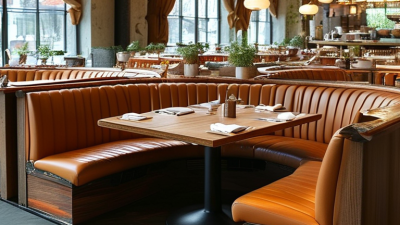
China’s restaurant sector is expanding, and furniture choices are becoming more strategic. The China Cuisine Association reported national catering revenue above RMB 5 trillion in 2023. That scale creates steady demand for durable Restaurant Chairs. Meanwhile, Grand View Research identifies restaurant furniture as a growing commercial interiors segment. Its reports connect growth with hospitality expansion, renovation, and stronger design expectations.
China remains an important manufacturing base. It offers varied materials, flexible production, and competitive export experience. Yet low price alone is not enough. A chair must survive repeated cleaning, daily movement, and long dining periods. Small details matter. Think of a solid joint, a smooth edge, and a seat that supports the lower back. Hospitality designer Adam Tihany has said, “A restaurant is a total experience, not merely a place to eat.” His view explains why Restaurant Chairs influence comfort, atmosphere, and return visits. The quotation is widely repeated in hospitality-design discussions, although wording can vary by interview source.
Reliable buyers should examine factory audits, material specifications, load testing, finishing samples, and replacement support. BIFMA durability principles can offer useful reference points, even when local purchasing standards differ. Supplier claims still require verification. Some catalog images look excellent, but real samples may reveal uneven coating or weak hardware. This is where careful sourcing becomes practical, not theoretical. The best Chinese manufacturers and suppliers combine design understanding with documented quality control. However, every project has different needs. A café chair may prioritize stackability, while a luxury dining chair may require upholstery depth and visual identity. The right choice is rarely the cheapest one.
Chinese restaurant chair production covers many practical styles for dining rooms, cafés, hotels, and food courts. Solid wood chairs bring warmth, especially with oak, ash, or rubberwood finishes. Metal chairs suit busy spaces because their frames tolerate frequent movement and cleaning. Some factories combine steel legs with plywood seats for a lighter, more affordable design.
Bentwood chairs offer curved backs and a softer visual balance. Upholstered restaurant chairs add comfort through foam, fabric, or synthetic leather. Their performance depends on stitching, foam density, and moisture resistance.
Plastic chairs are easy to stack and move, making them useful for casual dining or flexible event areas. Bar stools come in fixed-height and adjustable versions. Outdoor models often use aluminum, treated wood, or weather-resistant woven materials.
Details matter more than photographs. Check weld points, screw access, seat height, and the chair’s tested weight capacity. A smooth finish should not hide unstable joints. Ask suppliers for sample chairs before placing a large order. A chair may look elegant in a showroom but feel narrow after two hours of dining. This is easy to overlook. Slight color variation may also appear between production batches, especially with natural wood. Clear inspection records, packaging tests, and honest production lead times help buyers compare Chinese manufacturers and suppliers with greater confidence.
Reliable Chinese chair manufacturers show their quality through repeatable processes, not attractive catalog photos. Look for clear material specifications, stable dimensions, and documented load testing. A dependable factory can explain their frame steel, wood moisture level, foam density, and surface treatment without vague answers. Details matter.
Request a physical sample before placing a large order. Check weld points, chair balance, seat comfort, and the smoothness of every edge. In busy restaurants, chairs face spills, frequent movement, and repeated cleaning. Manufacturers should provide abrasion, corrosion, and safety test records when relevant. Ask for proof. Strong suppliers also inspect incoming materials, monitor production stages, and use protective packaging for export shipments.
Communication reveals another key feature. A professional supplier confirms drawings, color codes, quantities, delivery schedules, and replacement procedures in writing. Factory audits, video inspections, and sample approvals can reduce avoidable mistakes. However, no manufacturer is flawless. A sample may pass inspection while later batches show small color differences or loose hardware. This is easy to overlook. Discuss tolerance limits and inspection standards before production begins. Experienced suppliers welcome reasonable questions, report delays early, and suggest practical changes when a design may weaken during daily use. Their willingness to discuss problems often matters more than a polished sales presentation.
Choosing among China’s restaurant chair manufacturers requires more than comparing catalog prices. In restaurant projects, chairs face spills, daily movement, and repeated loading. A supplier should explain frame materials, weld quality, foam density, fabric abrasion ratings, and cleaning limits. Request physical samples. Sit on them for several minutes. Check wobble, edge comfort, screw access, and floor protection. Small defects become expensive when multiplied across a dining room.
Reliable manufacturers provide clear production drawings, realistic lead times, and written quality standards. Ask how incoming materials are inspected and how finished chairs are tested before packing. Request load-test records when possible. Factory photos help, but an independent audit or live video inspection offers stronger evidence. Confirm business licenses, export experience, packaging methods, replacement procedures, and payment terms. Chinese manufacturers can be competitive, but capability varies widely between factories. A professional supplier answers specific questions without vague promises.
Cost still matters. Yet the cheapest quotation may exclude cartons, spare parts, or delivery damage. Compare the complete landed cost instead of the unit price. I once underestimated the value of stackability; storage became a daily inconvenience. That mistake changed my checklist. Measure table height, aisle width, stacking space, and expected guest turnover. Communication also deserves testing. Send a detailed inquiry and observe response time, accuracy, and willingness to correct misunderstandings. No supplier is perfect, and early doubts should be recorded rather than ignored. A dependable partnership grows from documented details, practical samples, and honest discussion of risks.
Reliable restaurant chair production begins with controlled materials. Experienced factories record steel tube grades, wood moisture, foam density, and fabric batches. Each batch should receive an identification code. This simple step supports traceability when a problem appears later.
Production checks should follow clear drawings and agreed tolerances. Workers inspect frame dimensions before welding. Welds need consistent penetration, smooth finishing, and no sharp edges. Sample chairs undergo load, stability, and repeated-use tests. Coatings are checked for color consistency, adhesion, and surface defects. Upholstery teams examine stitching, seam strength, and foam recovery. Small details matter.
Quality control is not only a final inspection. It should include incoming material checks, in-process reviews, and pre-shipment sampling. Inspectors may measure seat height, leg spacing, and packaging protection. Photos and written records make supplier communication more reliable. Buyers should also confirm applicable safety and environmental requirements in their target market.
No system is perfect. A clean report can still miss a loose fastener. I have found that independent inspections and random carton checks reveal weaknesses early. Factories should welcome corrective action, not hide it. That attitude is often more valuable than a polished showroom. Even packaging deserves testing, because stacked cartons may face vibration, moisture, and rough handling during transport.
Ordering restaurant chairs from China requires more than comparing unit prices. Start with a written specification covering seat height, frame material, foam density, fabric grade, carton size, and expected daily use. Request one production sample before approving bulk manufacturing. A sample can reveal wobbling, sharp welds, uneven staining, or uncomfortable support. Small defects become expensive when multiplied across 300 chairs.
Customization should balance design ambition with production reality. Most factories can adjust colors, dimensions, upholstery, logos, and stacking functions. However, unusual molds often increase tooling fees and minimum order quantities. Confirm whether the quoted price includes sampling, packaging, inspection, and replacement parts. I have seen attractive prototypes fail because the fabric absorbed spills too easily. That mistake deserves reflection. Restaurant chairs face cleaning chemicals, dragging, food stains, and constant impact.
Export planning needs measurable controls. The 2023 World Bank Logistics Performance Index gave China a score of 3.7, ranking it 19th among 139 economies. Logistics are capable, but delays still occur through port congestion, holidays, and documentation errors. Confirm the HS code, Incoterm, loading port, carton markings, and shipment insurance before production starts. Ask for a pre-shipment inspection with photos and random strength checks. Also verify moisture protection for wooden components. A lower freight quote may hide weaker packaging, longer transshipment, or costly destination handling. The cheapest chair is not always the lowest-cost purchase.