Skip to content

Top 10 Office Chair Manufacturers in China

Choosing an office chair is not just a matter of color or price. A chair may look polished in a showroom, yet feel stiff after a long afternoon at a desk. Height adjustment, lumbar support, breathable materials, and stable wheels all shape daily comfort. Small details count.

Ergonomics researcher Dr. Alan Hedge is often associated with the advice, “The best posture is the next posture.” The point is simple: a chair should support movement, not lock the body into one position. For businesses, that also means checking adjustment range, build quality, replacement parts, and the needs of different users. A feature list alone cannot prove a chair will work well in a real office.

This guide to the Top 10 Office Chair Manufacturers in China offers a practical starting point for comparing suppliers. It considers product range, manufacturing capability, customization options, and signs of quality control. Buyers should still request current specifications, samples, and clear warranty terms before making a decision. Not every claim holds up. Supplier rankings can change, and a strong factory may not suit every project. The right choice depends on who will use the chairs, how long they will sit, and what the workplace can maintain. A careful comparison can prevent a costly mismatch.
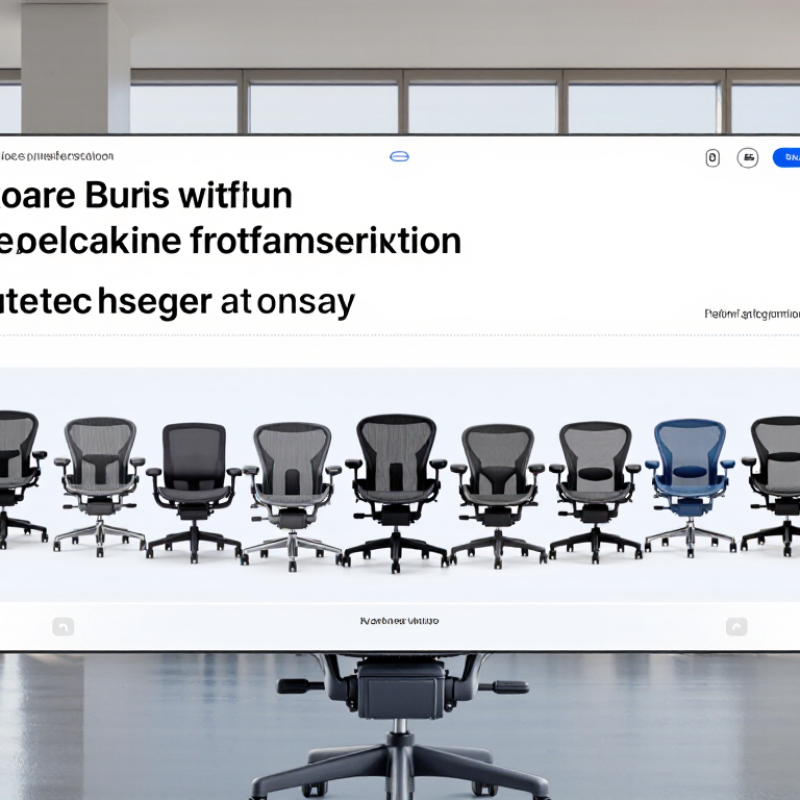
Top 10 Office Chair Manufacturers in China

How China’s Office Chair Manufacturing Industry Is Structured

China’s office chair industry is not a single factory floor. It is a supply chain linking foam, fabric, steel, plastic, mechanisms, and assembly. Some firms make components; others assemble finished chairs or handle design and export orders. A chair’s tilt mechanism and base may come from separate suppliers. The structure is layered.

The National Bureau of Statistics of China reported that furniture manufacturers above its designated-size threshold generated 655.7 billion yuan in revenue in 2023. This figure covers the broader furniture sector, not office chairs alone, so it should not be read as a chair-market estimate. Still, it shows the scale of the manufacturing base that chair makers draw on. Many factories serve business buyers through original-equipment or design-manufacturing arrangements, where product specifications, inspection, and delivery schedules matter as much as the final assembly.

Production is often concentrated in manufacturing regions with access to component suppliers, skilled labor, and shipping networks. This can shorten sourcing time, but it does not guarantee consistent quality. A small change in foam density or weld finish can affect comfort and durability. The tidy “cluster” picture is imperfect, too: suppliers and production steps may cross regional lines. Not always neat. For buyers, factory capability is best judged through process evidence, material specifications, and sample testing—not a location label alone.

Criteria Used to Identify Leading Chinese Office Chair Manufacturers

Identifying leading Chinese office chair manufacturers requires more than comparing catalog photos or quoted prices. A credible assessment starts with factory capability: in-house frame welding, foam molding, upholstery, and final assembly can reduce handoff risks. Ask for production-line photos, material specifications, and recent inspection records. Details matter. A chair’s tilt mechanism should be tested through repeated cycles, while seat foam should retain support after sustained use. Ergonomic claims deserve evidence, such as adjustable lumbar support ranges and documented load testing. No checklist is perfect; a neat sample may not represent every production batch.

Buyers should also examine consistency and communication. Request measurements for seat height, armrest adjustment, and backrest recline, then compare them with approved samples. Check whether fabric, mesh, and metal finishes are identified by grade rather than vague labels. Reliability appears in traceable quality checks, realistic lead times, and clear procedures for handling defects. Ask how packaging protects chair bases and casters during a long shipment. Small marks reveal a lot. A factory that explains test limits openly may be more dependable than one promising flawless performance. Supplier rankings should weigh evidence, not just scale. Site visits and third-party audits can be costly. Neither guarantees future consistency.

Profiles of Ten Major Office Chair Manufacturers in China

Profiles of Ten Major Office Chair Manufacturers in China

The first profile is a large-scale maker focused on mesh task chairs, with breathable backs and adjustable lumbar support. A second specializes in executive seating, often pairing padded upholstery with sturdy metal bases. The third produces ergonomic models for long desk sessions, including adjustable armrests and seat depth. A fourth serves budget-conscious buyers with simple, high-volume designs. Its lower price may mean fewer adjustment options.

The fifth profile emphasizes commercial projects and can coordinate chair finishes across large orders. The sixth concentrates on compact chairs for small offices, where narrow frames matter. A seventh offers fabric and color choices for interior design teams. An eighth makes heavier-duty seating, but buyers should verify load ratings and test comfort rather than trust appearance alone. The ninth focuses on task chairs with replaceable parts, which can simplify maintenance. The tenth combines several chair types and may suit buyers seeking one supplier for varied needs. These are capability profiles, not verified rankings; factory scale and quality can vary.

Tips: Request a sample, inspect stitching and moving parts, and ask how warranty claims are handled. A glossy catalog is not enough. Compare specifications, production lead times, and packaging details before placing a large order.

Product Ranges and Manufacturing Capabilities of the Featured Companies

The ten manufacturers featured in this comparison cover several office seating needs, from task chairs to executive and conference models. Product ranges may include mesh backs, upholstered seats, adjustable armrests, and different base designs. Some suppliers offer ergonomic options such as lumbar support and adjustable seat depth. Others focus on simpler configurations for large-volume orders. Small details matter.

Manufacturing capability is more than a large catalog. Buyers can look for in-house frame assembly, upholstery work, component sourcing, and documented quality checks. Ask how the factory handles sample approval, color matching, and changes to dimensions. These steps can reveal whether a supplier can repeat a specification across a full production run. A polished showroom alone cannot show that.

Production flexibility also varies. Some factories may support custom fabrics, packaging, or private-label specifications, while others rely on standard models to keep schedules predictable. Confirm minimum order quantities and lead times for the exact configuration, not just a similar chair. Requesting a sample helps assess stitching, adjustment controls, and how firmly the chair stays in place. Catalog claims can sound precise; the details sometimes need a second look.

How to Compare Suppliers for Quality, Customization, and Export Needs

Choosing among office chair manufacturers in China takes more than comparing catalog photos and unit prices. Ask for a sample built to the same specifications as the production order. Check the frame, welds, fabric seams, adjustment controls, and wheel movement. Sit in the chair for a while; a quick showroom test may miss discomfort that appears later. Request material specifications and relevant quality test reports, then confirm that the documents match the exact model. A neat sample is useful, but it does not guarantee consistent production.

Tips: Put customization details in writing, including fabric codes, color references, logo placement, carton labels, and approved tolerances. Ask how sample changes affect cost and lead time. Small details matter.

For export needs, compare each supplier’s experience with your destination, packaging method, production schedule, and shipping documents. Confirm who arranges freight and which delivery terms apply. Ask for photos of packed goods and a clear inspection process before shipment. Check response times, too; unanswered questions during sampling can become a bigger problem during production. Supplier comparisons are rarely perfect. One factory may offer stronger customization, while another provides clearer quality records. Keep a simple scorecard, but leave room for a follow-up factory audit or independent inspection when the order warrants it.

Top 10 Office Chair Manufacturers in China: How to Compare Suppliers

A practical buyer’s weighting framework for comparing quality, customization, and export readiness. These are suggested evaluation weights, not measured scores or rankings of individual suppliers.

Prioritize product quality and testing, then assess customization and export documentation against your target market’s requirements. Verify each supplier’s claims with current certificates, test reports, samples, and shipping records.

Scroll To Top