
How to Choose the Best Gaming Chairs for Your Business?
Choosing Gaming Chairs for a business is not a style contest; it concerns comfort, safety, uptime, and cost. Market forecasts show strong demand, but their numbers vary. Grand View Research valued the global gaming chair market at approximately US$1.5 billion in 2023. Mordor Intelligence reported a different 2024 baseline. That gap matters. Definitions and research methods differ. Treat forecasts as signals, not guarantees. For purchasing teams, stronger evidence appears during daily use. A chair must survive long shifts, repeated cleaning, and constant caster movement. Small details matter. A loose armrest becomes a service ticket.
This guide evaluates Gaming Chairs through measurable business criteria. We examine adjustability, lumbar support, seat dimensions, upholstery, weight ratings, warranties, replacement parts, and relevant durability standards. Ergonomics researcher Dr. Alan Hedge offers a useful principle: “The best posture is the next posture.” His observation challenges the fixed, racing-style seat that looks impressive in a showroom. Employees and customers need movement, not aggressive contours alone. A chair should support position changes without creating pressure behind the knees. It should fit different body sizes. Many buying guides remain too optimistic here.
Before approving a bulk order, test samples on your actual floor. Check wheel noise, rocking, stitching, cleaning response, and desk clearance. Ask vendors for documented testing methods. Compare total ownership cost, not only the opening price. A cheaper chair may fail earlier. A premium chair may still miss your users’ needs. The best choice is practical, evidence-based, and open to revision.
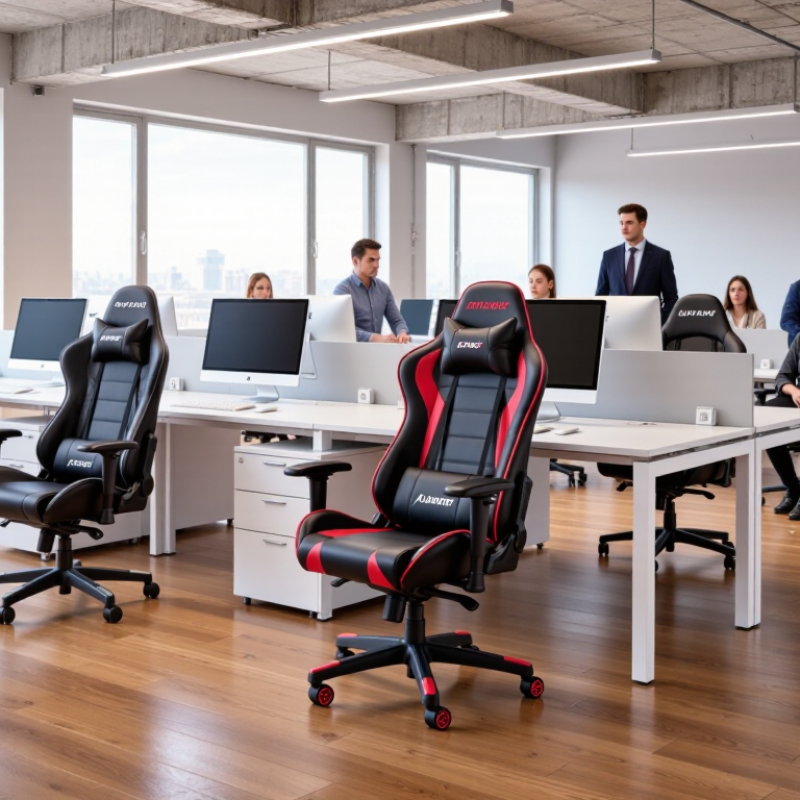
Identify Business Needs Using Gaming-Chair Market Forecasts from Grand View Research
How to Choose the Best Gaming Chairs for Your Business?
Grand View Research estimates that the global gaming-chair market reached about USD 1.5 billion in 2023. It forecasts a 6.8% compound annual growth rate from 2024 to 2030. This growth suggests wider business demand, not only gamer interest. Offices, training centers, streaming studios, and esports venues may require durable seating. However, market growth does not guarantee a suitable purchase.
Use the forecast to define your operating needs. A busy training room may need stain-resistant upholstery, replaceable casters, and reinforced armrests. A private studio may value lumbar adjustment, quiet movement, and long-session comfort. Fortune Business Insights projects continued market expansion through 2032, while reporting that online distribution remains an important sales channel. These figures support flexible procurement, but they cannot measure your actual repair costs.
Test before scaling.
Ask employees to sit for two-hour sessions. Record pressure points, back support, noise, and adjustment time. The Business and Institutional Furniture Manufacturers Association recommends evaluating seating through performance and durability standards, not appearance alone. This matters when chairs face daily use by different body types. Grand View Research also identifies material, product type, and distribution channel as key market segments. A forecast can guide budgeting, but it may oversimplify local prices, warranty service, and user behavior. Review those weaknesses openly. A cheaper chair may become expensive after repeated replacements.
| Business Use Case | Market Segment Lens | Typical Usage Intensity | Priority Chair Requirements | Recommended Material Direction | Procurement Priority | Key Performance Indicator |
|---|---|---|---|---|---|---|
| Office and Gaming Hybrid Workspace | Commercial application; productivity and gaming use | Medium Approximately 6–8 hours per user per day |
Adjustable seat height, lumbar support, reclining backrest, armrest adjustability, and a neutral appearance suitable for workplace interiors | Breathable fabric or mesh-backed construction for extended seated use | High Ergonomics, warranty coverage, and compatibility with standard desks |
User comfort complaints, adjustment range, repair requests, and replacement rate |
| Esports Training Facility | Commercial application; organized gaming and training | High Long sessions with repeated daily use |
Strong frame, stable five-star base, durable casters, adjustable armrests, high-density foam, and easy-clean surfaces | Commercial-grade synthetic leather or tightly woven fabric with reinforced seams | High Durability, serviceability, load capacity, and consistent specifications across units |
Downtime per chair, component failure rate, cleaning time, and cost per occupied seat-hour |
| Internet Café or Shared Gaming Venue | Commercial application; shared-use seating | High Multiple users and frequent seat turnover |
Wipe-clean upholstery, robust casters, replaceable components, stable tilt mechanism, and a design that accommodates different body sizes | Low-maintenance synthetic leather or coated textile surfaces | High Cleanability, vandal resistance, spare-part availability, and total cost of ownership |
Average cleaning time, maintenance cost per seat, occupancy rate, and annual replacement percentage |
| Streaming and Content-Creation Studio | Commercial application; creator and broadcast workspace | Medium Long seated sessions with frequent on-camera use |
Quiet adjustment mechanisms, stable posture support, refined appearance, low-reflection upholstery, and compatibility with microphones and camera framing | Fabric or matte-finish upholstery to reduce glare and improve visual consistency | Medium Comfort, appearance, acoustic quietness, and cable-management compatibility |
Session comfort score, adjustment noise, visual consistency, and production interruptions |
| Hotel, Lounge, and Event Rental | Commercial application; hospitality and temporary use | Medium Variable use with frequent movement and storage |
Compact footprint, stack or storage compatibility where applicable, impact-resistant components, easy cleaning, and simple adjustment controls | Stain-resistant synthetic leather or durable commercial textile | High Mobility, storage efficiency, cleaning process, and damage resistance |
Setup time, storage volume per chair, cleaning cost, and damage incidents per event |
| Educational Gaming Lab | Commercial application; institutional and supervised use | Medium Scheduled sessions with different users |
Wide adjustment range, clear operating controls, durable structure, easy sanitation, and suitability for users of different heights | Durable, easy-clean upholstery with replaceable high-contact components | High Adjustability, safety, hygiene, and long-term maintainability |
Seat utilization, adjustment-related incidents, maintenance turnaround, and user satisfaction |
| Home-Use Retail or Employee Benefit Program | Residential application; individual ownership | Medium Personal use with varied session lengths |
Comfort-focused adjustment options, clear assembly instructions, attractive design, dependable warranty, and manageable shipping size | Fabric, mesh, or synthetic leather selected according to climate and user preference | Medium Customer comfort, delivery condition, assembly experience, and after-sales support |
Return rate, assembly-related support cases, warranty claims, and customer satisfaction |
| Budget-Constrained Pilot Program | Entry-price commercial or residential application | Low to Medium Limited rollout or shorter operating sessions |
Basic height adjustment, stable base, acceptable back support, standardized parts, and straightforward maintenance | Cost-efficient synthetic leather or fabric with documented cleaning guidance | High Unit cost, minimum order quantity, delivery reliability, and replacement availability |
Cost per deployed seat, setup time, early defect rate, and pilot-to-rollout conversion |
Related Posts
-
What Are the Top 10 Types of Office Chairs?
-
Top Lounge Chairs Tips for Comfort and Style выбора?
-
What Is the Best Type of Banquette Seating in 2026?
-
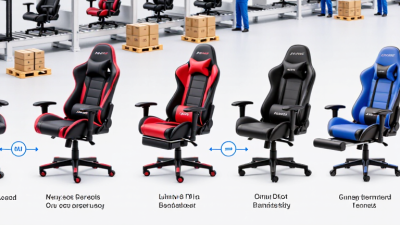
China Best Gaming Chairs Suppliers for Global Buyers?
-
China Best Restaurant Chairs Manufacturers and Suppliers
-
Best Outdoor Chairs for Comfort and Style in 2026?