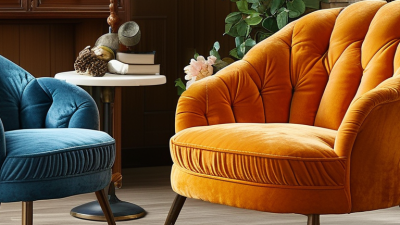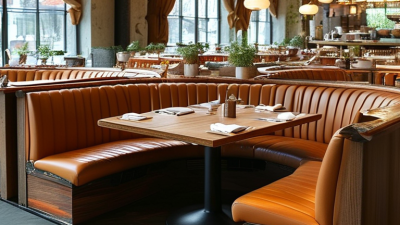
In today’s dynamic environment, the choice of furniture plays a crucial role in design and functionality. Among the myriad options, stacking chairs stand out for their versatility. A recent report by the Furniture Today predicted that the global market for stacking chairs is expected to reach $2 billion by 2025. This significant growth highlights their increasing acceptance in various settings.
When selecting stacking chairs, factors such as material, comfort, and style are essential. With so many choices available, buyers often face challenges in making the right decision. Experts recommend focusing on the intended use and space constraints. For instance, a restaurant may require chairs that are durable and easy to clean. Meanwhile, a corporate setting might prioritize ergonomics for extended use.
However, it's crucial to not overlook quality for the sake of cost. Many budget options may compromise comfort or durability. This can lead to dissatisfaction over time. Finding the right balance between affordability and quality requires careful consideration and research. Embracing the right stacking chairs can enhance any space, making it both functional and inviting.
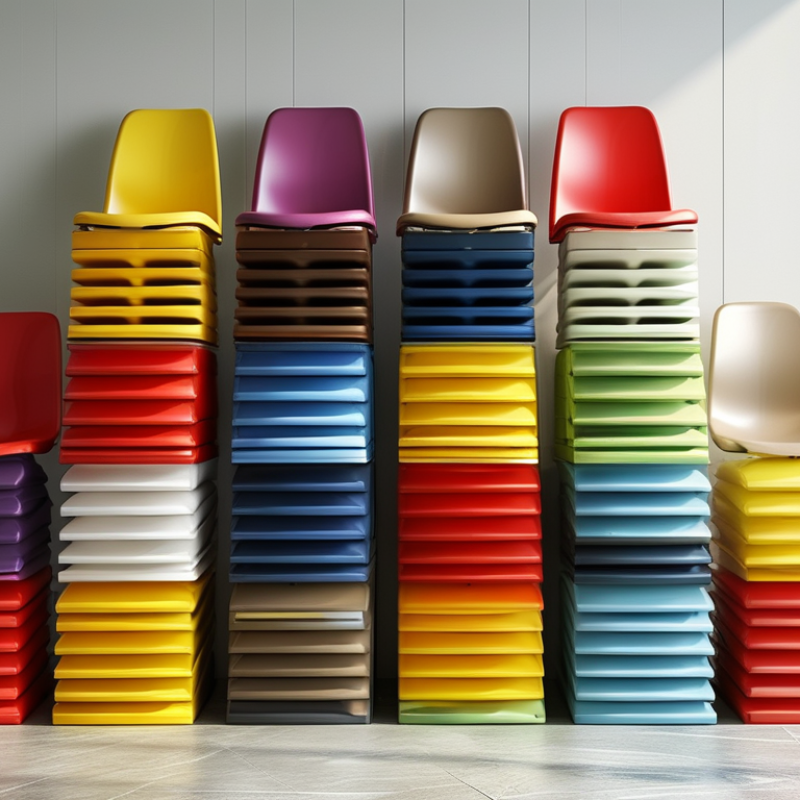
Stacking chairs have become essential in modern design, balancing form and function. Their versatility means they fit well in various environments, from homes to offices. The simplicity of stacking chairs allows easy storage, saving space when not in use. You will find designs that combine comfort with style, making them a popular choice for many spaces.
In selecting stacking chairs, consider materials carefully. Different materials provide unique tactile experiences and durability. For instance, metal frames offer sturdiness, while plastic options can be lightweight and colorful. Style is also crucial; minimalist designs appeal to contemporary tastes. However, overemphasis on aesthetics might sacrifice comfort. Make sure to test for proper ergonomics.
Recognizing how stacking chairs impact your space is significant. A poorly chosen chair can disrupt the flow and aesthetics. Reflect on the chair's purpose too. Is it for casual gatherings, or will it see heavy use in professional settings? The right decision requires thoughtfulness and an understanding of your needs. Embrace the process and enjoy experimenting with different designs.
When selecting stacking chairs, space utilization and layout efficiency are vital considerations. An effective layout maximizes seating capacity while ensuring comfort. Measure your space accurately to avoid overcrowding. Think about how chairs will be stored. Will they be vertical or horizontal? This impacts your floor plan.
Sometimes, the best choice isn’t the most obvious one. Some stacking chairs are designed to be compact, taking up less space when stacked away. Look for models with features like lightweight frames, which make moving and storing easier. Chairs with handles often offer better portability.
You might overlook aesthetics while focusing on practicality. However, a visually appealing chair can enhance the atmosphere of your space. Consider colors and materials that match your decor, as they contribute to the overall layout's efficiency. In the end, ensure your seating solution provides both function and style for a balanced environment.
When it comes to stacking chairs, the material plays a crucial role. Common materials include plastic, wood, and metal. Each has its unique benefits and drawbacks. Plastic chairs are lightweight and easy to clean. They are often ideal for outdoor use due to their weather resistance. However, they may not provide the same aesthetic warmth as wood.
Wooden chairs bring a classic elegance to any space. They can be durable and sturdy, but weight can be an issue. Consider the maintenance required for wood. It can scratch easily and may need refinishing over time. Metal chairs are known for their strength and modern appeal. They are often stackable and can withstand heavy usage. However, they can become uncomfortable without proper padding.
Choosing the right chair material involves some reflection. Consider the environment and usage. Will the chairs be used indoors or outdoors? Will they need frequent stacking and moving? Thinking through these questions can guide you to the best choice for your needs. Each material tells a story, and selecting the right one can enhance both comfort and functionality in your space.
When selecting stacking chairs, ergonomics plays a crucial role. Good ergonomics can greatly enhance user comfort, especially for long periods of use. A well-designed chair supports the natural curve of the spine. It also promotes good posture. Without these features, users may experience discomfort or fatigue. This emphasizes the need for thoughtful design.
Consider factors like seat height and depth. A chair that is too low or deep can strain your back and legs. Armrests should align with the table height, allowing for relaxed arms. Material also matters; breathable fabrics can keep users cool. However, durability often comes at the cost of comfort. Some materials may not breathe well, leading to discomfort.
It’s essential to remember that not every stacking chair is made equal. Testing different styles is vital. You might find a chair that looks great, yet lacks comfort. Pay attention to feedback from users. Their experiences can guide your choice. Ultimately, finding the right balance between style and ergonomics is key for any space.
This chart displays the user comfort ratings for the top ten stacking chairs, indicating their ergonomic effectiveness. Each chair is rated on a scale from 1 to 10, showcasing the importance of ergonomics in selecting the right seating option for comfort and usability.
When it comes to stacking chairs, budgeting plays a crucial role. High-quality chairs can be an investment. They often come with durable materials. Lower-priced options may tempt you initially. However, they might not withstand heavy use over time. Consider your space and how often the chairs will be used. This can inform your spending choices.
Think about functionality when selecting chairs. A good design improves comfort and encourages longer use. Finding a balance between quality and cost is essential. You may need to compromise. Investing in fewer, high-quality chairs can sometimes be better than many cheap ones. Weigh the pros and cons diligently before making a purchase.
Remember the potential hidden costs. Shipping fees and warranties can impact your final budget. Also, consider the chair’s longevity. A cheap chair may need replacement sooner, adding to your overall costs. Evaluate the long-term benefits of durable chairs versus the temporary relief of a lower price tag. Your choice should enhance your space while being mindful of your budget.