Skip to content

10 Tips for Choosing the Best Patio Chairs

Choosing Patio Chairs is less about chasing a showroom look and more about how your outdoor space works on an ordinary afternoon. Will the chairs sit beneath a hot, uncovered sky, or beside a damp garden? Do they need to stack away after dinner? A chair that looks perfect online can feel awkward on a narrow balcony. Small details matter: seat depth, arm height, cushion ties, and the scrape of metal feet across stone.

The market is growing, too. Grand View Research valued the global outdoor furniture market at about $50.91 billion in 2023 and projected a 5.4% compound annual growth rate from 2024 to 2030. That figure covers outdoor furniture broadly, not patio chairs alone, but it reflects rising interest in usable outdoor living spaces. Still, a large market does not guarantee a good purchase.

Dan DiClerico, executive director of the Good Housekeeping Institute’s Home Improvement & Outdoor Lab, brings a consumer-testing perspective to home and outdoor products. In practical terms, his expertise points to a useful rule: match materials and construction to your climate and routine. This is a paraphrase, not a verified verbatim quotation. A little less glamorous. More useful. The following ten tips will help you compare comfort, durability, maintenance, size, and value before choosing Patio Chairs you will actually want to use.
10 Tips for Choosing the Best Patio Chairs

Assess Your Patio Space, Climate, and Seating Needs

Before choosing patio chairs, measure the usable area, not just the patio’s full footprint. Leave a clear path from the door and enough room to pull chairs back without scraping a wall. Mark the chair legs with tape, then walk through the space carrying a tray. Tight corners become obvious. Measure twice. For a small patio, folding or stackable chairs may simplify storage, but check their folded size and where they will go. A wide chair can feel comfortable in a showroom and overwhelm a narrow balcony.

Your local climate matters as much as appearance. Strong sun can heat dark surfaces and fade some finishes; frequent rain makes drainage and quick-drying materials useful. If chairs will stay outdoors, inspect joints, feet, and care instructions, and consider how much upkeep you can realistically manage. Shade matters. Think about who will use the seats and for how long: upright chairs suit meals, while deeper seats may work better for longer visits. Measure the height against your table, too. A few centimeters can affect comfort. I once underestimated how often extra guests would arrive, so leave room for one flexible seat if you can. Your needs may change.

Compare Chair Materials for Durability and Weather Resistance

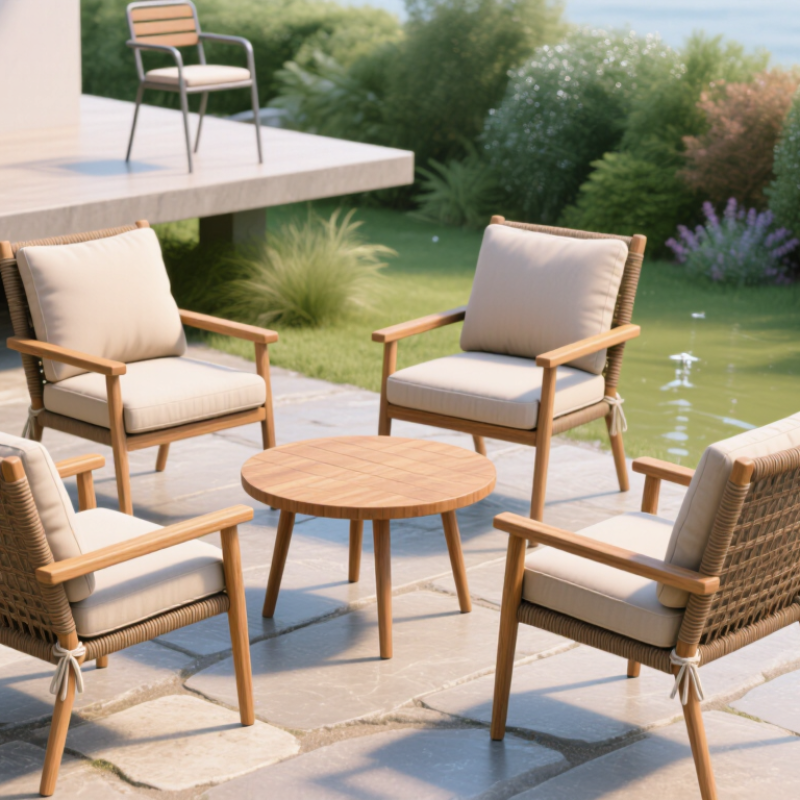
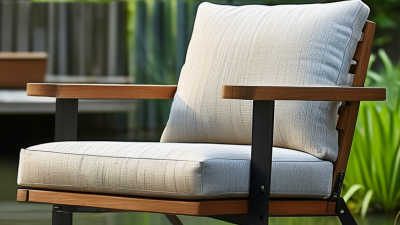
When comparing patio chair materials, consider the weather they will face, not just their appearance in a showroom. Aluminum is light, easy to move, and generally resists rust, though thin frames may wobble under daily use. Check the joints and feel for flex before buying. Steel often feels sturdier, but its protective finish can chip; exposed spots may rust, especially in damp climates. That matters.

Teak handles outdoor moisture well and develops a silvery-gray surface if left untreated. It still needs occasional cleaning, and its weight makes rearranging chairs less convenient. Resin wicker can resist rain and sun, but quality varies: inspect the weave for loose strands and the frame beneath it. No material is maintenance-free. Not foolproof. Cushions also affect durability; quick-drying foam and removable covers can reduce lingering dampness, but bring them inside during prolonged rain. I would not choose by material alone. Look for drainage, stable feet, smooth edges, and care instructions you can realistically follow. A chair that suits your climate but is awkward to maintain may spend more time unused than expected.

Evaluate Comfort, Support, and Adjustable Features

Comfort is easiest to judge when you sit in the chair for more than a quick test. A brief showroom perch can hide pressure that appears after ten minutes. Check the seat depth: your back should reach the backrest while a few fingers fit behind your knees. Your feet should rest flat on the ground, without your thighs pressing hard against the seat edge. For longer meals, even support matters more than a plush first impression. Shift your weight and notice whether the chair feels stable. Small details matter.

Look for a backrest that supports your lower and middle back, rather than pushing your shoulders forward. Adjustable recline can help you change posture, but it should lock securely and feel steady at each setting. If the chair has adjustable arms, make sure they let your shoulders relax instead of lifting them. Test every control before buying; settings that are awkward to reach may go unused. I used to assume softer cushions always meant better comfort. Not quite. Cushion firmness is personal, and a cushion that feels pleasant for one minute may offer little support over a long afternoon.

10 Tips for Choosing the Best Patio Chairs

How to use this chart: These suggested priority scores are a practical checklist, not product-test results. Give extra attention to comfort, back support, and adjustability, then consider materials, fit, and maintenance for your outdoor space.

Match Chair Size and Design to Your Outdoor Layout

Choosing patio chairs starts with the space, not the style. Measure the clear area after accounting for doors, planters, and the route people use to walk through. Leave enough room to pull chairs back without bumping a wall or table. On a narrow balcony, slim chairs that tuck beneath a table may work better than wide armchairs. In a roomy yard, deeper seats can feel inviting, but check that they do not crowd the main path.

Tip: Mark chair footprints with painter’s tape before buying. This simple test shows how much space remains when chairs are pulled out. It can feel a little fussy, but it may reveal a cramped layout before delivery.

Match the chair design to how the area is used. Lightweight chairs suit flexible spaces where seating moves between sun and shade. For a fixed dining spot, chairs with arms should slide beneath the tabletop, so measure both the chair and table height. Consider visual weight, too: open frames can keep a small patio feeling airy, while solid forms may anchor a larger setting. One detail is easy to overlook—check the seat height against the table, then recheck it; estimates are often off.

Balance Price, Maintenance, and Long-Term Value

A low sticker price can hide expensive upkeep. Compare the chair’s total cost over several seasons: purchase price, replacement cushions, cleaning products, and winter storage. Houzz’s 2024 U.S. Houzz & Home Study reported median outdoor-project spending of $2,000 in 2023. That figure covers many kinds of projects, not chairs alone, but it shows how quickly patio improvements can add up. Set a chair budget before browsing, then leave room for a fitted cover or replacement parts. A bargain is less convincing if one torn sling makes the whole chair unusable.

Material choice affects both maintenance and long-term value. Aluminum frames are light and easy to move, while hardwood may need periodic oiling to retain its appearance. Check joints, seat fasteners, and cushion seams in person; these small details often reveal more than a polished product description. Ask whether replacement slings or feet are available. It’s easy to overlook them. The U.S. EPA’s Advancing Sustainable Materials Management: 2018 Fact Sheet estimated 12.1 million tons of furniture and furnishings entered the U.S. municipal waste stream that year, with about 0.9 million tons recycled. That broad category is not patio-specific, but it’s a useful reminder: repairable chairs may stay useful longer. I’d still question any claim that one material is always “maintenance-free”; sun, rain, and storage habits matter.

Scroll To Top