Top 10 Chair Materials for Global Buyers?
Choosing the right Chair Materials affects comfort, durability, cost, sustainability, and global supply reliability. Buyers often focus on appearance first. That can be a costly mistake. A beautiful chair may fail in humidity, crack under repeated loading, or become difficult to repair.
This guide compares ten widely used materials, including solid wood, plywood, steel, aluminum, polypropylene, recycled plastic, rattan, bamboo, leather, and performance textiles. Each material behaves differently. Oak offers strength and warmth. Aluminum reduces weight and resists corrosion. Polypropylene supports efficient molding and consistent production. Natural rattan brings texture, but it needs careful moisture control. Recycled plastic can reduce virgin material use, although its color and surface quality may vary.
George Nelson, an influential furniture designer and materials innovator, said, “Everything is designed. Few things are designed well.” His observation remains useful for international sourcing. Material selection should match the chair’s environment, user weight, cleaning routine, shipping distance, and expected service life. Ask for test reports, material specifications, finish details, and samples before placing a large order. Check whether suppliers can maintain the same quality across production batches.
There is no universal winner.
A material that performs well in a hotel may feel unsuitable in a home. A low purchase price may hide higher maintenance costs. This ranking is therefore a practical starting point, not a final answer. Global buyers should compare verified performance, responsible sourcing, repairability, and total lifecycle value before choosing their preferred Chair Materials.
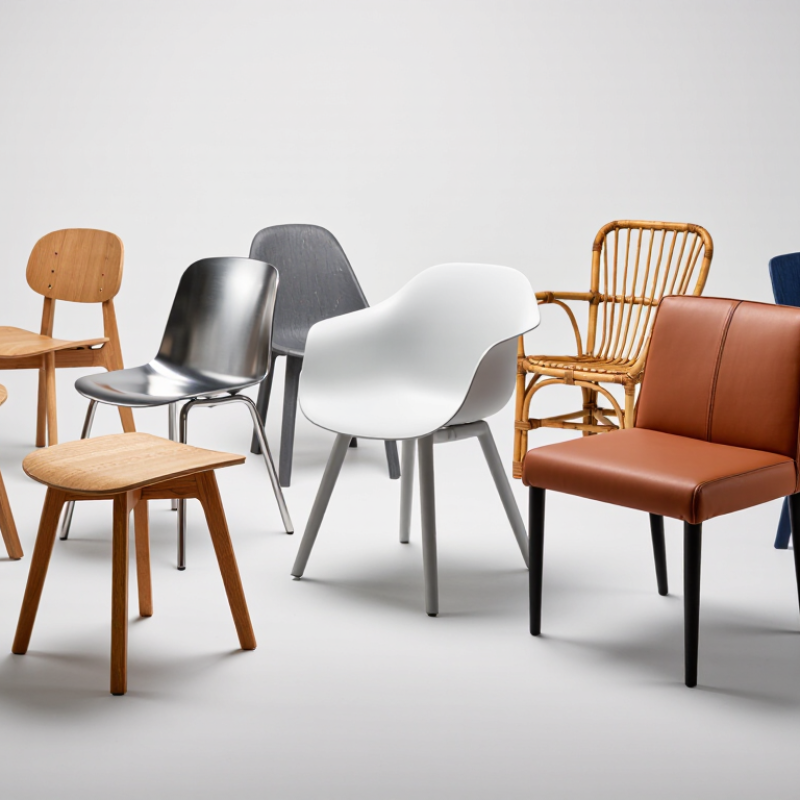
What Defines a Chair Material and Why It Matters for Global Buyers
Top 10 Chair Materials for Global Buyers
Chair material means more than the visible surface. It includes the frame, seat, support layers, coating, and fasteners. Common choices include solid wood, plywood, metal, aluminum, stainless steel, polypropylene, ABS plastic, rattan, cane, and upholstery fabric. Each material changes the chair’s strength, weight, comfort, repair needs, and service life.
Global buyers should examine performance in real conditions. A wooden chair may suit dry interiors but swell in humid storage. Metal offers strong support, yet poor coating can lead to corrosion near coastal areas. Plastic reduces shipping weight, but sunlight may cause fading or brittleness. Fabric improves comfort, while dust, stains, and cleaning methods require attention. Small details matter. Check joint design, edge finishing, material thickness, and load testing records. Ask for samples before approving large quantities.
Material selection also affects logistics and purchasing risk. Lightweight components can reduce freight costs, but fragile parts may increase damage claims. Recycled content can support sustainability goals, although color consistency may vary between batches. That trade-off deserves honest review. In supplier assessments, buyers should request test reports, traceable specifications, and clear care instructions. A low price can become expensive after replacements, returns, or customer complaints. No material is perfect. The right decision depends on climate, use frequency, expected lifespan, maintenance habits, and the buyer’s actual market.
Top 10 Chair Materials for Global Buyers? - What Defines a Chair Material and Why It Matters for Global Buyers
| Rank | Chair Material | What Defines It | Typical Durability | Moisture & Stain Resistance | Maintenance | Sustainability Considerations | Relative Cost | Common Applications | Key Global-Buyer Checkpoints |
|---|---|---|---|---|---|---|---|---|---|
| 1 | Solid Wood | Natural timber with visible grain; common species include oak, beech, ash, rubberwood, and similar hardwoods. | High when properly seasoned, joined, and finished; sensitive to excessive humidity changes. | Moderate; surface coatings improve resistance, but prolonged water exposure can cause swelling or movement. | Dusting and prompt spill removal; occasional finish care may be required. | Renewable when sourced from responsibly managed forests; repairable and potentially long-lasting. | Medium to High | Dining chairs, hospitality seating, home furniture, premium contract interiors. | Wood species, moisture content, legal sourcing, finish quality, joinery, pest treatment, and packaging protection. |
| 2 | Steel | Carbon steel or stainless steel used in frames, legs, bases, or complete molded structures. | Very high structural strength; performance depends on tube gauge, welds, and corrosion protection. | High for stainless steel; painted or powder-coated carbon steel requires coating integrity to prevent rust. | Generally easy to wipe clean; inspect scratches and exposed metal in humid environments. | Highly recyclable; recycled content and end-of-life recyclability should be verified by specification. | Medium | Office chairs, café seating, school furniture, outdoor frames, industrial seating. | Steel grade, coating thickness, salt-spray requirements, welding quality, load testing, and corrosion environment. |
| 3 | Aluminum | Lightweight metal used in cast, extruded, tubular, or sheet components. | High strength-to-weight ratio; may deform under severe impact if sections are too thin. | High natural corrosion resistance; surface treatments can improve appearance and durability. | Low maintenance; clean with mild detergent and avoid abrasive products on decorative finishes. | Infinitely recyclable without losing its basic material properties; primary production is energy intensive. | Medium to High | Outdoor furniture, transport seating, lightweight hospitality and commercial chairs. | Alloy, wall thickness, casting quality, anodizing or coating, galvanic corrosion risk, and freight-weight advantages. |
| 4 | Polypropylene (PP) | Thermoplastic polymer commonly injection-molded into shells, seats, backs, or complete chairs. | Good impact and fatigue resistance; prolonged ultraviolet exposure can cause fading or embrittlement without stabilizers. | High; non-porous and generally resistant to water and many household chemicals. | Very easy to clean; smooth surfaces reduce absorption of common spills. | Recyclable in suitable systems; recycled content, additives, and local recycling infrastructure affect actual outcomes. | Low to Medium | Schools, cafés, mass-market dining, event seating, indoor and selected outdoor use. | Polymer grade, UV stabilization, flame performance, molding consistency, color matching, and nesting efficiency. |
| 5 | Plywood | Engineered wood made from thin veneers bonded with alternating grain directions. | High dimensional stability compared with many solid-wood panels; edge and veneer quality are critical. | Moderate; water-resistant grades and sealed edges perform better in humid conditions. | Easy to maintain when sealed; damaged edges should be repaired to limit moisture entry. | Efficient use of timber; verify wood legality, adhesive emissions, recycled content, and certification where required. | Medium | Bentwood chairs, seat pans, backs, office seating, and contemporary furniture. | Veneer species, panel grade, formaldehyde emissions, thickness tolerance, edge sealing, and moisture classification. |
| 6 | Polyurethane Foam | Flexible cellular cushioning material used beneath upholstery for comfort and support. | Good comfort retention when density and resilience are correctly specified; can compress with heavy long-term use. | Low to Moderate; porous foam should be protected by a suitable upholstery cover. | Surface cleaning depends on the cover; foam itself is not usually intended for direct exposure to liquids. | Petroleum-derived material; recycling is technically possible but collection and processing remain limited in many markets. | Low to Medium | Task chairs, lounge seating, dining cushions, automotive-style and upholstered furniture. | Foam density, hardness, resilience, compression set, fire requirements, emissions, and cover compatibility. |
| 7 | Leather | Animal hide processed through tanning and finishing; grain and coating determine appearance and performance. | High when well finished and maintained; surface can scratch, dry, or discolor under unsuitable conditions. | Moderate to High depending on finish; seams and uncoated surfaces remain vulnerable to liquids. | Regular dusting and approved conditioning; avoid excessive heat, sunlight, and harsh cleaners. | Durable and repairable, but tanning chemistry, animal by-products, water use, and traceability require review. | High | Executive chairs, hospitality seating, lounge chairs, premium residential furniture. | Leather grade, thickness, finish, color consistency, restricted substances, tanning compliance, and care instructions. |
| 8 | Polyester Fabric | Synthetic woven or knitted textile made from polyester fibers and used for upholstery or covers. | Good abrasion and color retention; performance varies by weave, yarn, coating, and finishing. | Moderate; some fabrics resist stains or moisture through specialized finishes, but seams remain vulnerable. | Vacuuming and spot cleaning; removable covers simplify maintenance where available. | Recycled polyester can reduce virgin feedstock demand; fiber shedding and end-of-life separation should be considered. | Low to Medium | Office seating, restaurants, lounges, waiting areas, and residential upholstered chairs. | Abrasion rating, colorfastness, pilling, seam strength, flame requirements, cleanability, and recycled content. |
| 9 | Rattan and Cane | Natural climbing palm material used as solid structural elements or woven seat and back panels. | Moderate; flexible and lightweight, but susceptible to breakage, loosening, and environmental stress. | Low to Moderate; excessive moisture can promote mold, swelling, or loss of tension. | Gentle dusting and controlled cleaning; keep away from persistent dampness and extreme dryness. | Renewable plant-based material when harvested and processed responsibly; repairability is generally good. | Medium | Indoor dining, tropical-style interiors, verandas, cafés, and decorative seating. | Species identification, moisture control, weaving consistency, fumigation or treatment, breakage protection, and storage conditions. |
| 10 | Recycled Plastics | Post-consumer or post-industrial plastic processed into molded chair components, often with visible color variation. | Good when the recycled feedstock is clean and the formulation is properly engineered; batch consistency must be controlled. | High for most non-porous molded surfaces; UV and chemical performance depends on polymer type and additives. | Easy to wipe clean; textured or recycled surfaces may require additional attention. | Can divert plastic waste and reduce virgin material use; recyclability depends on polymer purity, additives, and product design. | Low to Medium | Schools, public spaces, casual dining, outdoor furniture, and sustainability-focused projects. | Verified recycled content, polymer identification, contamination control, color tolerance, UV resistance, and end-of-life pathway. |
Note: Relative cost and performance are indicative market ranges. Actual results depend on material grade, design, manufacturing quality, climate, regulatory requirements, and intended usage.