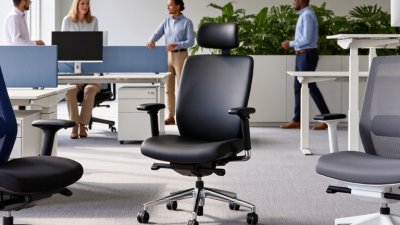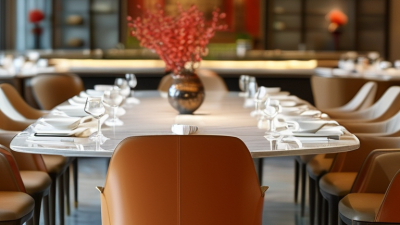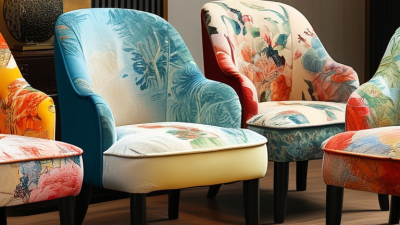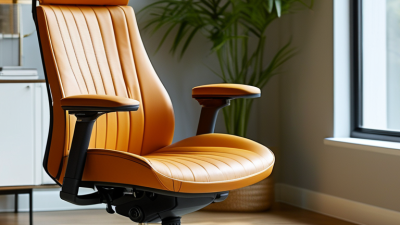
A waiting room is more than a place to sit. It is often where customers form their first impression of a business, before speaking with staff or receiving a service. Seating can shape that moment through comfort, cleanliness, spacing, and ease of use. Small details matter: a chair that wobbles, fabric that shows stains, or an aisle blocked by bulky furniture can make the room feel neglected.
The stakes are practical, too. PwC’s 2018 Future of Customer Experience Survey reported that 32% of U.S. consumers would stop doing business with a brand they loved after one bad experience; 59% would leave after several. The survey does not isolate waiting-room furniture, and chairs alone cannot guarantee loyalty. Still, the findings underline why every customer touchpoint deserves attention—including the minutes spent waiting.
Choosing Waiting Room Chairs means balancing comfort, durability, accessibility, maintenance, and the character of your space. A medical clinic may need wipeable surfaces and stable armrests. A busy service office might prioritize sturdy frames, compact layouts, and replaceable components. There is no universal best chair. That is worth remembering. A polished showroom sample may feel different after months of daily use, and a low purchase price can hide higher cleaning or replacement costs. The right choice depends on who uses the room, how often, and what your team can realistically maintain. This guide explains how to compare those factors, ask suppliers useful questions, and select seating that works beyond the first impression.
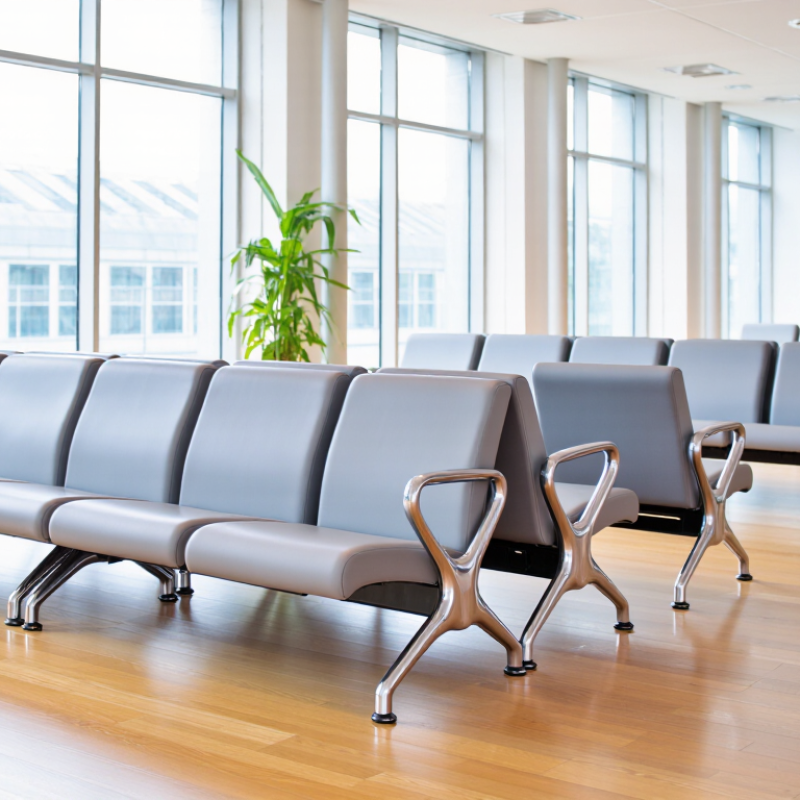
Before comparing waiting room chairs, define who uses the room and why they visit. A dental practice may see families, older adults, and people who feel uneasy before an appointment. A repair shop may serve customers carrying bags or work equipment. Watch how visitors arrive, where they place belongings, and how long they usually wait. Small details matter.
Estimate peak occupancy, not just the average. Note whether visitors come alone or in groups, and whether staff need clear paths to reception. If people often wait longer than expected, supportive seats with arms may make standing up easier. For short visits, compact chairs could preserve floor space. Ask staff what they notice during busy hours; their observations can reveal patterns that a booking report misses.
Consider visitor needs without assuming every person fits one profile. Leave room for mobility aids, and check that chair heights and seat widths suit a varied audience. Choose surfaces that staff can clean between visitors, especially in rooms with frequent turnover. A neat spreadsheet can still miss the person who arrives with a stroller or needs extra space. Track how the room works for a few weeks, then adjust the layout when real use differs from your first guess.
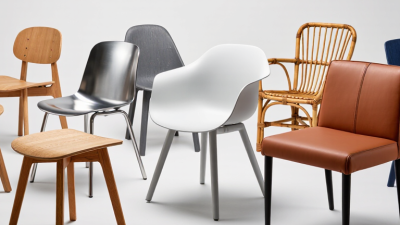
Waiting room chairs should fit the way people actually use the room, not just match its décor. Lounge chairs feel welcoming, but their wider arms and deeper seats can make a narrow room feel crowded. Upright chairs with firm seats are easier for many visitors to enter and leave. Measure the available floor area, including walking paths, before choosing either style. Measure twice.
Seat width matters when visitors may carry bags or sit with children. A compact chair can save space, yet feel cramped during a long appointment. Check the seat depth and height as well; very deep seats may be uncomfortable for shorter visitors. If possible, test a sample chair with people of different heights. Small detail, big effect.
For flexible rooms, individual chairs can be rearranged as needs change. Rows make efficient use of space, while small clusters support conversation but need more room between seats. A connected bench creates a tidy line, though one visitor cannot easily adjust their position. Leave clear routes to doors and reception, and avoid forcing people to squeeze past occupied seats. Honestly, a perfectly symmetrical layout may look good on paper but work poorly once coats, mobility aids, and real foot traffic enter the picture. Recheck the arrangement after the room is in use.
How to Choose the Best Waiting Room Chairs for Your Business
Evaluate Comfort, Materials, Durability, and Maintenance
Waiting-room chairs should support different bodies, not just look inviting in a catalog. A seat that feels soft for two minutes may become uncomfortable during a longer appointment. Check seat depth, back support, and arm height with people of varied sizes. Test them in person. Leave enough space for guests to stand without bumping nearby furniture. Upholstery also shapes comfort and upkeep. Woven fabric feels warm, but can hold dust and spills; coated surfaces wipe clean, though they may feel cool or sticky. No material is perfect.
Durability depends on more than a sturdy frame. Inspect joints, leg stability, and how the seat is attached, especially in busy reception areas. Ask for clear care instructions and information about replacement parts or fabric availability. A chair that is easy to clean can save staff time between appointments. Small details matter. Look for seams that do not trap crumbs and finishes that tolerate routine cleaning without fading. Consider how often the room is used and whether mobility needs call for arms or firmer seats. Budget choices can be sensible, but thin padding may flatten sooner than expected. Reassess after a few months; real traffic can reveal issues a showroom cannot.
Compare common upholstery options across comfort, durability, cleanability, and ease of maintenance.
Scores use a 1–5 screening scale, where 5 is more favorable. They are general planning estimates, not laboratory test results; actual performance varies by product construction, finish, and care instructions. Check manufacturer specifications and clean a sample before making a large purchase.
Measure the room before comparing chair styles. Note door swings, reception counters, windows, and the path people take from the entrance. Then sketch the seating area with real dimensions, not estimates. A row of chairs may fit on paper but leave too little room for people to pass. Keep walkways clear, and leave space for mobility devices to turn and approach seats. Small details matter.
Plan for different visitors, not an idealized floor plan. Chairs with arms can help some people sit down and stand up, while varied seat heights may suit a wider range of users. Check the dimensions against applicable accessibility guidance. Arrange seats so visitors can reach them without squeezing between occupied chairs. Avoid placing every seat directly face-to-face; that can feel exposed in a quiet clinic or office. A layout that looks neat can still feel awkward once people arrive.
Tips: Use painter’s tape to mark chair footprints and walkways before ordering. Ask a colleague to test the route with a bag or stroller. Recheck the plan after placing the chairs; real rooms have a way of revealing what the drawing missed. Don’t fill every open corner. A little breathing room helps.
How to Choose the Best Waiting Room Chairs for Your Business
Compare the full cost, not just the price tag. A $360 chair used for six years costs about $60 per year, before cleaning or repairs. That is a planning example, not a lifespan guarantee. Check upholstery-care instructions, replacement-part availability, and warranty exclusions. A low purchase price can become expensive when seams split or seat cushions flatten. It happens.
Match chair construction to daily use. For busy clinics, choose wipeable surfaces and stable arms that help visitors sit and stand. For longer waits, test seat depth and back support with people of different heights. ANSI/BIFMA X5.4-2020 sets performance requirements for public and lounge seating; ask suppliers for relevant test documentation rather than relying on appearance alone.
Disposal belongs in the cost comparison, too. The U.S. Environmental Protection Agency reported 12.1 million tons of furniture and furnishings in the U.S. waste stream in 2018. That figure is not specific to waiting-room chairs, but it shows why durability and repairability matter. Compare quotes using delivery, assembly, cleaning, and expected replacement costs. Keep a small sample in the actual room for a week. Color can look different under fluorescent lights, and a chair that seems comfortable for two minutes may not suit a long wait.
| Chair Type | Typical Cost per Chair (USD) | Common Materials | Typical Weight Capacity | Cleaning & Maintenance | Best Suited For | Key Consideration |
|---|---|---|---|---|---|---|
| Stackable guest chair | $40–$150 | Steel or aluminum frame; plastic, fabric, or padded seat | Usually 250–300 lb | Plastic is quick to wipe; fabric may need spot cleaning | Busy offices, clinics, and spaces that need flexible seating | Check stack height and whether floor-protecting glides are included |
| Upholstered lounge chair | $150–$600 | Fabric or vinyl upholstery; wood or metal frame | Usually 250–350 lb | Fabric requires regular vacuuming; vinyl can be wiped clean | Reception areas where comfort and appearance matter | Confirm seat height and upholstery durability for frequent use |
| Linked waiting-room chair | $120–$400 per seat | Metal beam; molded plastic, vinyl, or padded seats | Often 250–300 lb per seat | Hard surfaces are easy to wipe; inspect shared frame and fasteners | High-traffic reception areas with fixed seating layouts | Measure the full row and allow space for accessible routes |
| Heavy-duty guest chair | $180–$500 | Reinforced steel frame; reinforced seat; vinyl or durable fabric | Commonly 400–500 lb; verify the specified rating | Vinyl is generally easy to disinfect; inspect joints periodically | Facilities needing higher-capacity seating or added durability | Compare the stated capacity, seat width, and warranty terms |
| Wood-frame reception chair | $100–$350 | Wood frame; upholstered or molded seat and back | Usually 250–300 lb | Wipe frame with a suitable cleaner; upholstery care depends on material | Professional offices and lower-traffic reception spaces | Check frame joints and finish resistance to scuffs |
| Armless compact chair | $50–$200 | Metal or molded frame; plastic, fabric, or vinyl seat | Usually 250–300 lb | Varies by upholstery; smooth plastic and vinyl are easiest to wipe | Small waiting rooms where maximizing seat count is important | Check seat width and comfort for the expected waiting time |
Cost and capacity figures are broad planning estimates for common commercial seating; actual prices and specifications vary by materials, construction, quantity, and supplier. Verify dimensions, weight ratings, cleaning instructions, and warranty details before purchasing.