What Are the Top Types of Sports Cooler Bags?
Choosing the right cooler for training, travel, or competition is less obvious than it appears. Sports Cooler Bags differ in insulation, capacity, portability, and resistance to daily abuse. A compact soft cooler may suit a runner carrying two bottles and fruit. A larger backpack cooler may serve a football team beside a sunny field.
YETI co-founder Roy Seiders described the company’s guiding idea this way: “Build the cooler we’d use every day if it existed.” That practical standard remains useful when comparing Sports Cooler Bags. The best option should protect cold drinks, handle leaking containers, and stay comfortable during movement. It should also fit real routines, not just impressive product photographs.
This guide examines the main types, including soft-sided coolers, backpack coolers, lunch-style bags, and hard-shell hybrid designs. Each type solves a different problem. None is perfect. A backpack can distribute weight well, yet its narrow opening may complicate packing. A soft-sided bag saves space, but its insulation may weaken after repeated folding. A hard-shell model protects contents better, though it can feel awkward on crowded transport.
Small details matter. Look for sealed seams, sturdy zippers, washable liners, and clearly stated capacity. Consider how long food must remain chilled, where the bag will be carried, and whether ice packs fit efficiently. Personal experience often exposes weaknesses that specifications hide. A cooler that looks athletic may still swing uncomfortably while running. The right choice depends on performance, maintenance, and honest expectations.
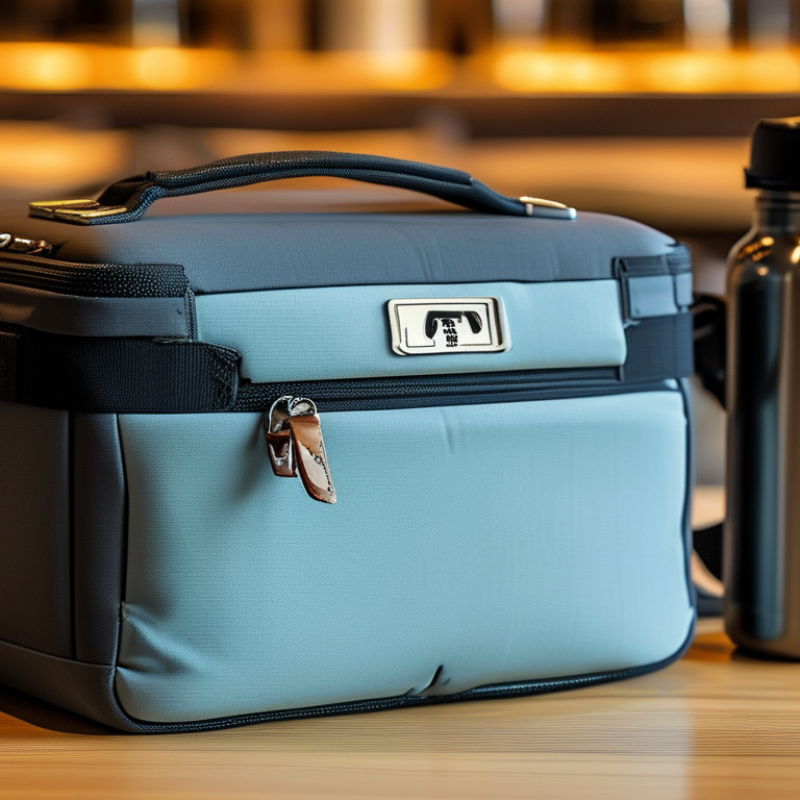
Soft-Sided Insulated Cooler Bags for Everyday Sports Use
Soft-sided insulated cooler bags are practical choices for everyday sports use. They fit easily beside a gym bench, inside a car, or under a stadium seat. Unlike rigid coolers, they usually weigh less and compress when empty. A well-designed bag can carry water, fruit, sandwiches, and a small ice pack without feeling bulky.
Look for thick insulation, leak-resistant lining, and sturdy stitching around the handles. A wide opening helps you find food quickly between drills. Separate pockets can protect keys, cards, or a phone from condensation. From regular training use, I have found that shoulder straps improve comfort during longer walks. Still, soft bags may lose their shape when overloaded. That detail is easy to ignore.
Tips: Pre-chill the bag before filling it. Use sealed containers for sauces and cut fruit. Keep ice packs against the inner walls for more even cooling. Wipe the lining after every session, then leave the bag open to dry completely. Check the manufacturer’s care instructions before washing. A simple test helps: place a cold drink inside for several hours and check its temperature later. Cooling performance depends on outdoor heat, opening frequency, and how full the bag is. No cooler bag works equally well in every setting.
What Are the Top Types of Sports Cooler Bags?
Soft-Sided Insulated Cooler Bags for Everyday Sports Use
Capacity is the main practical difference among common soft-sided sports cooler bag types. Personal lunch coolers suit one meal, day coolers hold food and drinks for one person, backpack coolers improve hands-free carrying, and team coolers provide space for group refreshments. The figures show typical approximate capacity ranges represented by midpoint values and are not brand-specific measurements.
Backpack Cooler Bags for Hands-Free Carrying
Backpack Cooler Bags for Hands-Free Carrying
Backpack cooler bags make outdoor meals easier to manage. They leave both hands free for hiking poles, sports equipment, or a child’s hand. A well-designed model should distribute weight across padded shoulder straps and a supportive back panel. Fit matters. The bag should sit close to your body without pressing painfully against your shoulders.
Insulation performance depends on material thickness, zipper quality, and how often the bag is opened. For a day outdoors, pre-chilled food and frozen gel packs usually maintain safer temperatures longer. Keep raw ingredients sealed separately from ready-to-eat items. A leak-resistant lining also helps, but “leakproof” claims deserve practical testing. I would place the bag upright before adding ice. That simple habit prevents messy surprises.
Storage space is another important detail. Wide openings make sandwiches and containers easier to arrange, while external pockets hold napkins, keys, or utensils. However, more compartments can add weight and reduce flexibility. That trade-off is easy to overlook. Some backpack coolers feel comfortable when empty but become awkward when fully loaded. Test the straps, balance, and zipper movement before a long trip. No cooler solves every problem. Select one based on travel distance, meal size, weather, and cleaning needs.
Hard-Sided Sports Coolers for Maximum Protection
Hard-sided sports coolers suit athletes who need maximum protection during transport, training, and outdoor competition. Their molded walls resist dents, compression, and accidental impacts better than soft bags. That matters when equipment travels under benches or inside crowded vehicle trunks. A rigid shell also keeps the interior shape stable. Ice stays distributed instead of collapsing into one wet corner.
The U.S. Bureau of Economic Analysis reported that outdoor recreation generated about $1.2 trillion in economic output during 2023. That scale reflects growing demand for dependable field equipment, although the figure does not measure cooler sales specifically.
In practical use, thick insulation helps reduce temperature swings, while a tight gasket limits warm-air exchange. USDA food-safety guidance identifies 40°F to 140°F as the danger zone. Perishable food should not remain there for more than two hours. Shorter is safer.
Look for reinforced hinges, non-slip feet, and a drain plug that opens without lifting the cooler. Internal dividers can separate drinks from packed meals.
Capacity claims deserve caution. Ice occupies real space. A 40-quart cooler will not hold 40 quarts of food and ice. Hard-sided models are heavier, too. That weakness is easy to underestimate before a long walk from the parking area.
I have found wheel systems useful on pavement, but less reliable on gravel. Check the latch with cold, wet hands. Small details can decide whether protection feels practical or merely bulky.
Specialized Cooler Bags for Teams, Events, and Outdoor Training
Sports cooler bags vary by the way teams, event crews, and athletes actually use them. Large team coolers work well beside a training field, holding meal containers, fruit, and several ice packs. Wide openings help staff check supplies quickly. Reinforced handles and wheels matter when the cooler crosses grass or uneven pavement. It gets heavy. A smaller personal cooler may suit one athlete better, especially during cycling, hiking, or outdoor drills.
Insulated backpack coolers are useful for coaches and mobile training groups. They leave both hands free for cones, water bottles, or medical supplies. Separate compartments can protect snacks from crushed fruit and wet ice packs. For tournaments, modular cooler bags offer better control. Teams can divide drinks, prepared meals, and allergy-aware food into different sections. Clear labels reduce handling mistakes, while leak-resistant lining makes transport less stressful.
Outdoor training exposes weak designs quickly. Zippers can collect dust, seams may loosen, and poor insulation can warm drinks before practice ends. Choose thick insulation, washable interiors, secure closures, and enough space for cold packs without overfilling the bag. A temperature check is more reliable than touching the exterior. In my experience, bags advertised as “extra large” sometimes waste space through bulky padding. Space matters. The best choice depends on travel distance, group size, cleaning routines, and how often the bag must be carried instead of rolled.