
Skip to content

China Top Eco Disposable Paper Suppliers?

China has become a major sourcing base for Eco Disposable Paper products, including cups, plates, bowls, food boxes, and takeaway packaging. However, “top” suppliers should not be judged by price alone. Product safety, material traceability, production consistency, and export experience matter just as much.

A reliable supplier should provide clear specifications for paper weight, coating type, dimensions, printing inks, and packaging methods. Buyers may also review certifications such as FSC, BPI, or food-contact compliance documents, depending on the destination market. These records should be checked carefully and confirmed with current testing reports. A logo on a brochure proves little.

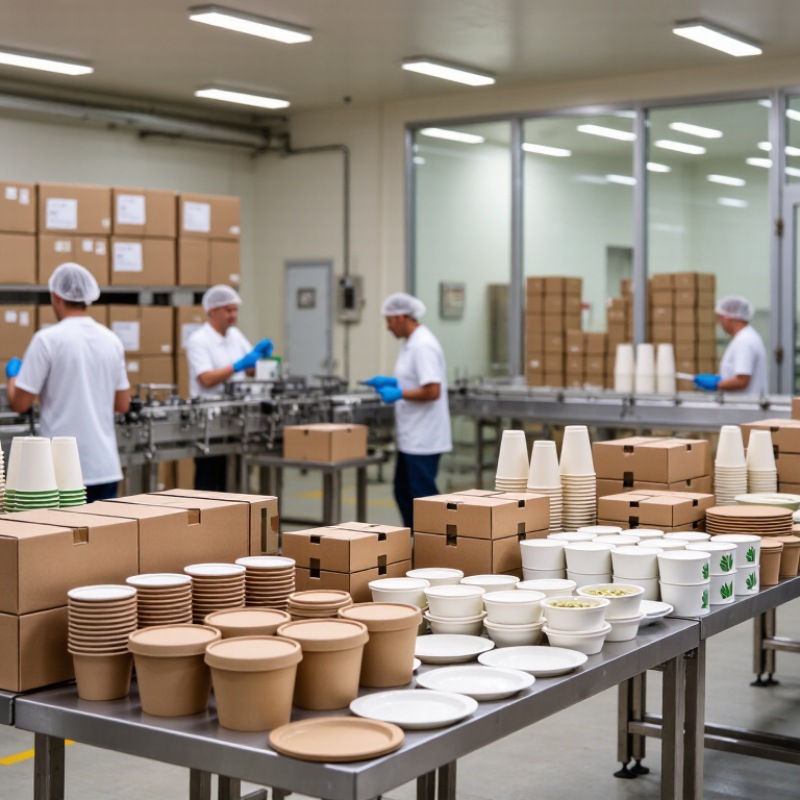
Factory visits can reveal practical details. Look for clean storage areas, sealed raw materials, organized production lines, and inspection records beside finished cartons. Request samples before placing a large order. Test them with hot liquids, oily foods, stacking pressure, and short-term refrigeration when relevant. Small failures become expensive quickly.

Experience still matters. Suppliers serving restaurants, distributors, and international retailers may understand labeling, pallet planning, and shipment schedules better. Yet no supplier is perfect. A factory may offer strong printing but limited compostable options. Another may provide excellent certification support but require higher minimum quantities. This guide will compare China’s leading Eco Disposable Paper suppliers through transparent criteria, including product quality, customization, sustainability claims, communication, and after-sales reliability. Evidence can change. Readers should recheck certificates, regulations, and commercial terms before making a final decision.
China Top Eco Disposable Paper Suppliers?

China’s Eco-Friendly Disposable Paperware Supplier Landscape

China Top Eco Disposable Paper Suppliers?

China’s Eco-Friendly Disposable Paperware Supplier Landscape

China’s disposable paperware market includes manufacturers of cups, meal boxes, trays, bowls, and takeaway bags. Many suppliers now use recycled paper, certified virgin fiber, or mixed-material designs. Some factories also offer water-based coatings instead of conventional plastic lining. The choice is not automatically greener.

Experienced buyers inspect the production details. A reliable supplier should explain fiber sources, coating composition, factory audits, and food-contact testing. Request batch records, migration reports, and samples from regular production lines. A clean sample proves little. Packaging can look natural while hiding difficult-to-recycle layers.

Factories in coastal manufacturing regions often support custom sizes and fast export logistics. However, quality can vary between pilot samples and large orders. This is where supplier communication matters. Ask how moisture resistance is tested, not simply whether the product is “compostable.” Check rim strength, heat tolerance, leakage time, and stacking performance. Small differences affect real restaurant use.

Some suppliers hold quality or forestry-related certifications, but documents still need verification. Certification scope may cover only one facility or product range. Environmental claims also depend on local waste systems. A paper bowl may be technically compostable but rarely accepted by nearby collectors. That gap deserves honest discussion. Better suppliers acknowledge it, share limitations, and improve material choices through measured testing rather than attractive wording.

Main Product Categories Offered by Chinese Paperware Suppliers

Chinese paperware suppliers usually organize their products by use, coating, and forming method. Foodservice lines include hot and cold paper cups, soup bowls, plates, takeaway boxes, and grease-resistant trays. Bakery packaging often includes windowed cartons, paper bags, and folding boxes. Catering buyers may also find paper lids, napkins, sleeves, and molded-fiber containers in the same catalog. The range is broad.

The FAO reported global paper and paperboard production above 400 million tonnes in 2022, showing the scale of this material sector. Grand View Research valued the global paper packaging market at about USD 417 billion in 2023. These figures explain why Chinese suppliers increasingly offer customized sizes, printed surfaces, and flat-pack designs.

A sourcing audit should check paper weight, moisture resistance, rim strength, and food-contact documentation. Samples matter more than attractive product sheets. They reveal leakage, odor, weak seams, and poor stacking.

Paper is not automatically greener. Plastic coatings, inks, transport distance, and disposal systems still affect its footprint. This point is often missed.

Suppliers offering compostable coatings may still need independent test reports and clear disposal conditions. Data should be verified against recognized standards, not copied from a quotation.

Some catalogs also mix paperboard, molded fiber, and coated materials without explaining the difference. That creates confusion. Buyers should request material structure, tolerance ranges, packaging details, and batch inspection records before placing volume orders.

Materials and Certifications Used in Sustainable Paper Products

Sustainable paper products begin with carefully selected fibers, not attractive green claims. Recycled post-consumer fiber reduces demand for virgin pulp and gives used paper another purpose. Virgin fiber can still be appropriate when it comes from responsibly managed forests. Agricultural residues, such as wheat straw, may also reduce pressure on forests. Performance matters too. A thin food box can fail when moisture softens its walls.

Coatings deserve close inspection. Water-based coatings often support easier recycling than plastic laminates. Some products use plant-based or compostable coatings, but local facilities may not process them. That gap is easy to overlook. Inks should contain low levels of hazardous substances and remain suitable for the intended application. For food contact, suppliers should provide migration testing and current compliance documents. A supplier’s technical sheet is useful, but independent laboratory results carry greater weight.

Certifications help verify material claims. FSC and PEFC chain-of-custody systems can trace responsibly sourced fiber through production. Recycled-content claims should identify the percentage and whether it is pre-consumer or post-consumer material. Compostable products may reference EN 13432 or ASTM D6400, depending on the market. These standards assess controlled composting conditions, not every household compost pile. Ask for valid certificates, audit scope, test dates, and product codes. I would also check basis weight, wet strength, coating coverage, and packaging waste during a factory visit. Certification is valuable, but it cannot replace practical testing. Even experienced buyers sometimes approve a material before testing its real delivery conditions.

Profiles of Notable Chinese Disposable Paper Suppliers

China’s disposable paper supply base is broad, but quality varies sharply between factories. The China Paper Association reported about 129.65 million tonnes of paper and paperboard production in 2023. That scale supports reliable material access, yet volume alone proves little.

One notable supplier profile is the integrated mill-converter. It manages pulp sourcing, paper production, coating, printing, and forming in one system. Buyers should request fibre traceability, recycled content records, GSM tolerance, and Cobb test results. FSC chain-of-custody certification can strengthen sourcing evidence. However, certification does not automatically confirm low-impact manufacturing.

A second profile is the molded-fibre specialist, producing trays, bowls, and protective inserts from bagasse or recovered paper. Smithers identifies foodservice and protective packaging as important sustainable-paper growth areas. These factories often provide tooling flexibility and plastic-free designs. Check moisture resistance, heat performance, and food-contact documentation carefully.

The third profile is the export-oriented custom converter. It usually offers short sampling cycles, multilingual quality files, and container planning. Its strongest advantage is responsiveness. Its weak point may be dependence on purchased paper, which complicates traceability. Suppliers should disclose mill locations, coating chemistry, wastewater controls, and third-party audit dates. Buyers should also compare factory samples after storage and transport, not only fresh samples. That step is often missed. Eco claims can sound convincing while the product still uses excessive material or difficult-to-recycle coatings.

How to Evaluate and Select a Suitable Supplier

China Top Eco Disposable Paper Suppliers: How to Evaluate and Select a Suitable Supplier

Selecting a suitable paper supplier requires more than comparing prices. Begin with the material specification. Ask whether the product uses recycled fiber, certified virgin pulp, or a blended structure. Request documents for food-contact safety, fiber origin, coatings, inks, and wastewater controls. A supplier should explain these details clearly, not hide behind broad “eco” claims.

Order samples before discussing large volumes. Check the cup seam, rim strength, surface finish, and resistance to hot liquids. Test them under real conditions, such as thirty minutes with coffee at 85°C. Measure leakage, deformation, odor, and print transfer. A reliable supplier should provide batch records, inspection reports, and a written process for handling defects. Factory photographs help, but an independent audit offers stronger evidence. Video calls are useful, though they cannot replace physical verification.

Review production capacity, minimum order quantities, lead times, and packaging methods. Confirm how the supplier prevents moisture damage during shipping. Environmental claims also need careful examination. “Compostable” may depend on specific facilities and local standards. Ask for applicable test reports, not just marketing language. Price remains important, but an unusually low quotation may reflect thinner paper or weaker quality control. I still find supplier comparisons imperfect because factory data can change between batches. Keep a small trial order, record the results, and reassess the supplier before expanding.

How to Evaluate and Select a Suitable Eco Disposable Paper Supplier

This 100-point evaluation model prioritizes regulatory compliance, food-contact safety, and environmental evidence before price. Buyers should verify documents such as FSC or PEFC chain-of-custody certification, ISO management-system certificates, applicable food-contact test reports, product specifications, and quality-control records.

Scroll To Top