
Skip to content

Top 10 Tips for Choosing Pvc Floors for Your Home?

Choosing the right flooring can significantly impact your home's aesthetic and functionality. PVC floors have gained popularity due to their durability and affordability. According to a recent report by the Resilient Floor Covering Institute, the demand for PVC flooring is expected to grow at a CAGR of over 6% from 2021 to 2026. This growth is driven by their water-resistant properties and ease of maintenance.

When considering PVC floors, homeowners often overlook vital factors. Not all PVC flooring is created equal. Some options may lack the necessary certifications or quality, leading to issues down the road. For instance, phthalate-free options are recommended for sustainability and health reasons. Buyers tend to lean towards style but should also prioritize quality and safety.

Investing in PVC floors means balancing aesthetics with practicality. Homeowners need to understand their lifestyle needs before making a decision. Moreover, exploring different brands and their warranties can provide better insight into long-term performance. A well-informed choice can enhance every aspect of a home, providing beauty and reliability.
Top 10 Tips for Choosing Pvc Floors for Your Home?

Understanding the Different Types of PVC Floors Available

When considering PVC floors for your home, it is essential to understand the variety of options available. PVC flooring types include homogenous, heterogeneous, and luxury vinyl. Homogenous PVC floors are made from a single layer of material, offering durability and ease of maintenance. Their consistent color throughout the thickness makes scratches less noticeable. Heterogeneous PVC floors, on the other hand, consist of multiple layers and can mimic natural materials. Luxury vinyl planks provide a higher-end look, featuring intricate designs and textures.

Selecting the right type of flooring can significantly impact the aesthetics and acoustics of your home. According to recent market reports, the global PVC flooring market is expected to grow due to its appeal in both residential and commercial spaces. This highlights the increasing preference for stylish yet functional flooring options.

When choosing PVC floors, consider long-term performance and sustainability. Opt for options with low VOC emissions for healthier indoor air quality. Pay attention to the wear layer, as it protects against scratches and stains. Factor in individual needs, such as foot traffic levels and moisture resistance. Make sure to compare warranty offerings; a solid warranty indicates confidence in the product's longevity. Understanding these aspects can vastly improve your experience and satisfaction with your chosen PVC flooring.

Top 10 Types of PVC Floors for Your Home

Evaluating Durability and Maintenance Needs of PVC Flooring

When considering PVC flooring for your home, durability and maintenance are critical factors. A recent industry report highlights that high-quality PVC can withstand heavy foot traffic, making it a practical choice for busy households. The material is resistant to scratches and dents, which means it can maintain its aesthetic appeal over time. According to research, PVC flooring typically lasts between 10 to 20 years depending on usage and care.

Maintenance is relatively straightforward, contributing to its popularity. Routine cleaning usually involves sweeping and mopping with a mild cleaner. However, some homeowners report issues with stains from spills, necessitating quick cleanup to avoid long-term damage. In a survey, 40% of users expressed concerns about potential fading from prolonged sun exposure. Awareness of these factors is essential.

Evaluating options requires understanding your specific needs. Not all PVC floors offer equal durability. It’s wise to check wear layer thickness, which commonly ranges from 0.5 mm to 4 mm. A thicker layer enhances protection but may increase costs. Balancing durability and budget can be tricky. Homeowners should make informed decisions based on reliable data while considering potential long-term implications for their living spaces.

Choosing the Right Design and Color for Your Home Aesthetics

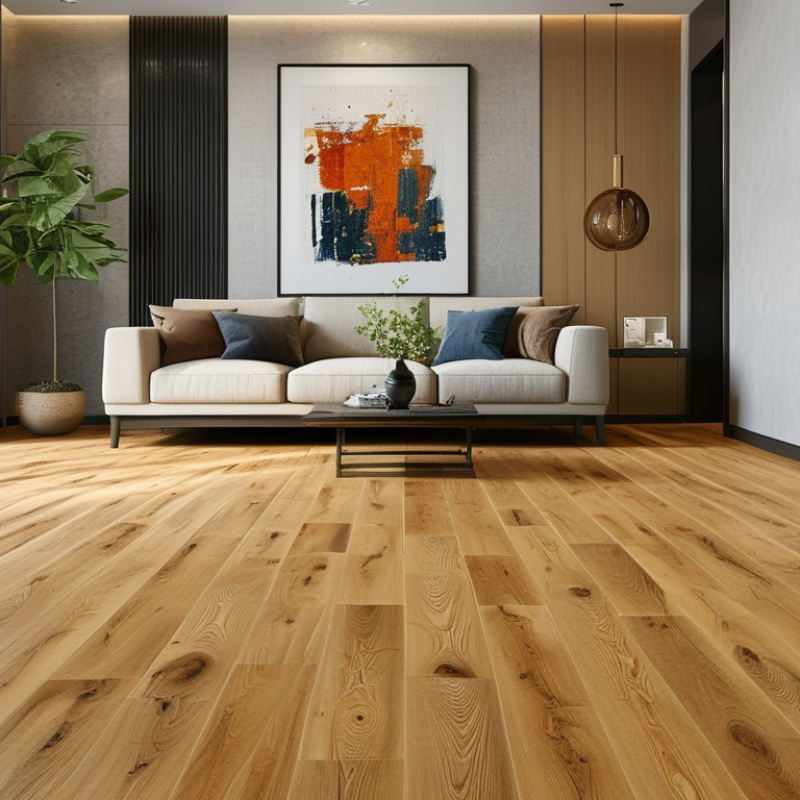
When it comes to choosing PVC floors, aesthetics play a crucial role in creating a cohesive look for your home. Start by considering the overall theme of your spaces. Are you aiming for a modern, minimalist design, or perhaps a warm, rustic atmosphere? The right design can enhance your home's personality. For example, opting for wood-look PVC can add warmth while still being practical.

Color selection is equally important. Lighter shades can make spaces feel larger and more open, while darker hues can provoke elegance and depth. Think about the natural light in your rooms. A color that looks beautiful in a showroom may appear different at home. Testing samples in various lighting conditions is essential. Don't rush this decision; take your time to analyze how each color interacts with your furniture and decor.

Incorporate patterns and textures to add visual interest. Whether you prefer a sleek, smooth surface or a textured design, these details can make a significant difference. Remember, sometimes the perfect choice isn’t the most popular one. It can be challenging to balance trends with personal preference. Reflect on what resonates with you, rather than what's currently in vogue. Your home should reflect your unique taste and lifestyle, not just follow fleeting trends.

Assessing Cost and Budget Considerations for PVC Flooring

When considering PVC flooring, assessing costs and budgets is crucial. Prices can vary significantly based on quality and design. On average, expect to pay between $2 to $7 per square foot. Installation costs may add to your budget. This ranges from $1 to $3 per square foot, depending on complexity.

Think about the long-term value. Cheaper options may save money upfront but could wear out faster. Investing in higher-quality flooring might reduce replacement costs over time. Factor in expenses for underlayment and any necessary preparation work. Some homeowners overlook these additional costs, leading to budget overruns.

Consider your lifestyle as well. If you have pets or children, durability might be a priority. In contrast, if you plan to move soon, lower-cost options could suffice. Reflect on your priorities to avoid settling for something that won’t meet your needs. Remember that a well-planned budget can lead to a more satisfying outcome in your home.

Identifying Installation Methods and Professional Help Options

When selecting PVC flooring, the installation method plays a crucial role. Understanding how PVC can be installed will help you make informed decisions. Common methods include glue-down, click-lock, and loose lay. Each method has its own benefits and challenges. The choice largely depends on your space and budget.

Consider hiring professionals for installation, especially for glue-down options, which require precise application. Data from the National Association of Home Builders indicates that improperly installed flooring can lead to costly repairs. A professional installer can ensure your floor is level and securely attached to the subfloor. This prevents issues like buckling and peeling, which are common with DIY installations.

Survey reports show that 40% of homeowners experience difficulties with their flooring projects. Having a reliable installation team can mitigate these risks. It may be tempting to save money, but investing in expertise can pay off long-term. Regular maintenance can also prolong the life of your PVC flooring. If issues arise, addressing them promptly with a professional can save you more in the long run.

Top 10 Tips for Choosing PVC Floors for Your Home

Tip Details Installation Method Professional Help Options
1. Consider Room Functionality Choose a floor type based on foot traffic and purpose of the room. Floating method Hire a flooring specialist with experience in PVC flooring.
2. Evaluate Durability Check the thickness and wear layer for longevity. Glue-down method Consult with a flooring contractor for the best choices.
3. Match Design with Aesthetics Choose colors and patterns that complement your home's decor. Interlocking tiles Interior designer consultation for visual coherence.
4. Assess Comfort Level Ensure the flooring feels comfortable underfoot, especially in living areas. Cushioned vinyl Ask for samples before deciding.
5. Explore Cost-Effectiveness Balance quality with budget; don’t compromise on essential features. Self-adhesive tiles Quotes from multiple contractors to find the best price.
6. Consider Maintenance Efforts Select flooring that requires minimal cleaning and upkeep. Vinyl sheets Professional cleaning services for extended upkeep.
7. Check Environmental Impact Look for environmentally friendly and recyclable flooring options. Eco-friendly installations Research on sustainable flooring contractors.
8. Look for Warranty Options Examine warranty policies for long-term assurance. Professionally installed Ask about warranty details before purchase.
9. Gauge Slip Resistance Select flooring with appropriate anti-slip ratings for safety. Textured surface floors Discuss safety features with installation experts.
10. Plan for Installation Timing Schedule installation during a convenient timeframe, considering climate. Time-sensitive installations Reserve installers ahead of desired dates.
Scroll To Top