
Skip to content

How to Source Bug Specimens Legally in 2026?

Sourcing a Bug Specimen legally requires more than finding a reputable-looking seller. It requires evidence, patience, and careful attention to changing regulations. Species protection rules differ between countries, states, and even local authorities. A butterfly permitted in one region may require documentation elsewhere.

Harvard entomologist E. O. Wilson stated, “Insects are the little things that run the world.” His words explain why responsible collecting matters. Each specimen represents a living population, a habitat, and sometimes a fragile ecosystem. Ethical buyers should verify the scientific name, collection location, collection date, and seller’s legal authorization. Keep invoices, permits, export documents, and import records together. A clear paper trail protects both the buyer and the specimen.

Check national wildlife agencies before purchasing. Review CITES requirements when species may cross international borders. Avoid protected, endangered, or illegally collected insects. Do not trust vague labels such as “captive bred” without supporting records. Ask direct questions.

Silence is a warning sign.

Specialists, licensed dealers, museums, and university entomology departments can provide useful guidance. Their experience may reveal problems that online listings hide, including incorrect identification or suspicious origins. Still, expert advice is not a substitute for official permission. Regulations can change, and old collecting habits may no longer be acceptable.

This guide is practical, but it is not perfect. Legal sourcing depends on accurate identification and current local rules. Responsible collectors should pause, verify, and sometimes walk away. A beautiful Bug Specimen is never worth damaging biodiversity or creating legal risk.
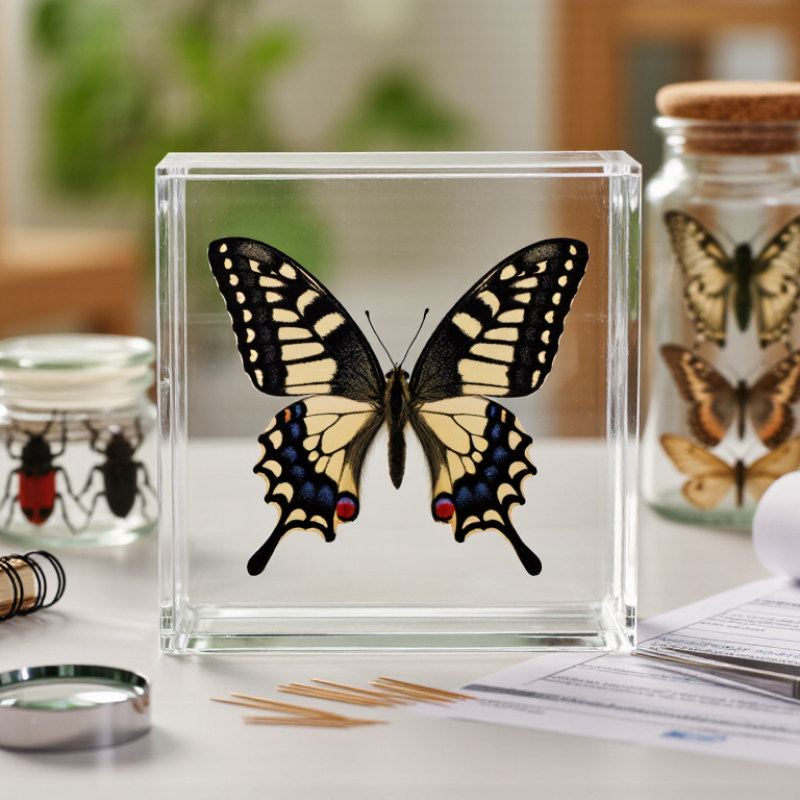
How to Source Bug Specimens Legally in 2026?

Define Legal Requirements for Collecting and Trading Bug Specimens

How to Source Bug Specimens Legally in 2026?

Legal sourcing begins with species identification, collection location, and ownership records. A permit may be required from wildlife authorities, protected-area managers, or private landowners. Check national rules before collecting, importing, exporting, or selling any specimen. CITES-listed insects and related species may require permits, even when specimens are captive-bred. Customs documents and scientific names must match exactly.

The IUCN Red List’s 2025 update reported more than 166,000 assessed species, with over 46,000 considered threatened.

Insects remain seriously under-assessed. The IPBES Global Assessment also warned that around one million species face extinction risk. These figures make vague sourcing claims unacceptable.

Keep the paper trail. Record the collector, date, coordinates, method, generation, and transfer history. For captive-bred specimens, retain breeding logs and proof of legal parent stock. A receipt alone is weak evidence.

Tips: Ask for permits before payment. Verify the issuing authority independently. Avoid specimens without locality data. Do not collect inside protected areas without written permission. Consult a qualified wildlife-law specialist when rules conflict. My cautious view is that “common” does not always mean unrestricted. Laws change, and online seller descriptions can be incomplete. One missed document may delay a shipment or trigger a seizure. Ethical sourcing also means refusing damaged populations, excessive harvest, and specimens whose origin cannot be verified.

Identify Permitted Sources and Verify Their Documentation

How to Source Bug Specimens Legally in 2026?

Legal sourcing begins with the supplier’s permission to collect, hold, and transfer specimens. In practice, licensed captive breeders, accredited teaching collections, and regulated scientific suppliers are safer starting points. Wild-collected insects require greater caution. Some species, habitats, and regions have strict protection rules.

Ask for the specimen’s scientific name, collection date, origin, and acquisition method. Request a dated invoice and a transfer record. For imported material, verify export permits, import approvals, and any protected-species documentation. International trade rules may apply even when the specimen is dead and preserved. A common name is not enough. Taxonomy can change.

Check every document against the physical item. The label should match the species, locality, and quantity. Keep digital copies, original paperwork, and written correspondence. Contact the relevant wildlife or customs authority when a rule seems unclear. Do not rely on a seller’s confident wording.

Documentation is rarely perfect. An invoice proves a transaction, not lawful collection. That distinction matters. I would delay a purchase rather than accept missing origin records. Still, official databases can be outdated, and identification may remain uncertain. Ask an entomologist or qualified curator to review unusual specimens. Careful sourcing may feel slow, but it protects collections, sellers, researchers, and the places where these insects originated.

Check Protected Species, Habitat Rules, and Seasonal Restrictions

How to Source Bug Specimens Legally in 2026?

Legal insect sourcing begins with identification, not purchase. Check the scientific name against the current IUCN Red List and national wildlife databases. Common names can hide serious mistakes. Many invertebrates remain Data Deficient, so missing records do not prove unrestricted collection. CITES currently controls international trade in more than 40,000 species, including selected insects and other invertebrates. Import permits, export permits, and proof of legal origin may apply.

Habitat rules matter just as much. National parks, conservation reserves, private forests, and wetlands can impose different collection restrictions. Some locations prohibit removal of dead specimens, soil, host plants, or fallen wood. Seasonal closures also protect breeding adults, larvae, and migration periods. IPBES estimated that around one million species face extinction risk, largely because of habitat loss. That makes casual collecting harder to justify, even when a species appears abundant.

Tips: Record the collection date, GPS location, habitat, collector, and permit number. Ask for a written chain of custody. Check both source-country and destination-country rules. Never rely on a marketplace label alone. A receipt is not proof of legality. For uncertain species, consult a qualified taxonomist or local authority before payment. I have found that rushed identification creates more risk than the specimen is worth. Rules also change, and older guidance may no longer be reliable.

How to Source Bug Specimens Legally in 2026

Before collecting, confirm species protection, land-access permissions, habitat restrictions, seasonal closures, collection permits, and transport or import requirements. The priority scores below are a practical planning aid, not a legal ranking.

Rules vary by country, state or province, land manager, protected-area designation, and species. Check current government regulations before collection.

Arrange Ethical Collection, Transport, and Import Procedures

Legal insect sourcing in 2026 begins with documented provenance, not a collecting permit alone. Confirm the species, collection site, collector, and intended use. Check national wildlife rules, protected-species lists, and CITES requirements before payment. The CITES Trade Database records millions of permitted wildlife transactions, showing how closely authorities monitor international movement. A local entomologist or permitting officer can identify risks that online sellers often miss.

Collect only abundant, non-protected species, and avoid breeding sites, reserves, and private land without written permission. Use humane methods, limit specimens per site, and record date, coordinates, weather, and habitat disturbance. These notes support traceability and ethical review. IPBES reports that roughly one million species face extinction risk, so “common” should never mean automatically safe. I still find field judgments imperfect.

Transport requires a species-appropriate container, stable ventilation, absorbent material, and clear labeling. Live specimens need documented temperature and feeding conditions. Preserved specimens need secure containment and declarations describing the material accurately. Follow current air-cargo guidance, import permits, quarantine instructions, and customs rules for every transit country. The International Air Transport Association’s Live Animals Regulations provide recognized handling standards, but local authorities remain decisive.

Keep copies of permits, invoices, scientific names, and chain-of-custody records. Inspect shipments on arrival and report unexpected mortality or contamination. Ethical sourcing is slower. It is also easier to defend when every decision can be traced.

Maintain Records for Ownership, Compliance, and Future Transfers

How to Source Bug Specimens Legally in 2026?

A legal specimen begins with documented provenance. Record the scientific name, common name, life stage, sex, quantity, and condition. Add the collection date and country. Exact locations may require restricted access, so store them securely. Keep permits, invoices, consent letters, and export documents together. Laws differ by species and jurisdiction. Check current rules before collecting, buying, importing, or exporting anything. A local wildlife authority, museum curator, or qualified taxonomist can clarify uncertain cases. Do not rely on a seller’s promise alone.

Tips: Use one record for every specimen or lot. Give each item a unique code. Photograph the specimen beside its code and scale. Save digital files in two locations. Record every owner, date, purpose, and transfer condition. Note whether the specimen is captive-bred, salvaged, or collected under permission. Keep original documents, not only screenshots. Small gaps become serious later.

Future transfers need a clear chain of custody. A written transfer agreement should identify both parties, the specimen code, legal origin, and permitted use. State whether resale, research, education, or international movement is allowed. Never remove labels because they seem untidy. They may contain the strongest evidence of ownership. My early records would have benefited from better dates and clearer file names. That weakness is easy to repeat. Review the archive annually, especially when regulations change. When ownership feels uncertain, pause the transfer and seek written guidance before moving the specimen.

Scroll To Top