
Skip to content

What Is a Hiking Raincoat and Which Type Is Best?

When clouds gather over a trail, a Hiking Raincoat can protect more than your shirt. It can help preserve warmth, comfort, and steady movement. Unlike a casual waterproof jacket, it is designed for changing weather and active use. Good models balance waterproof protection, breathability, weight, and durability. That balance is not always perfect.

A reliable Hiking Raincoat should keep rain from reaching your skin during steady showers. It should also release some heat when you climb. Look for sealed seams, a useful hood, adjustable cuffs, and enough room for a base layer. A lightweight shell may pack into a small pocket. A tougher three-layer jacket may handle scrub, wind, and repeated use better. However, advertised features need careful reading. “Waterproof” does not always mean comfortable during a hard ascent.

The best type depends on your route, climate, pace, and budget. A simple two-layer rain shell may suit occasional walkers. A lightweight emergency jacket can work for warm, short trips. Serious hikers may prefer a durable three-layer design with stronger fabric and better ventilation. I have learned that the lightest option is not automatically the smartest one. It may save space, but wet sleeves, a weak hood, or poor breathability can quickly become frustrating. This guide compares the main types, explains important materials and features, and considers realistic trail situations. You will see where each Hiking Raincoat performs well, where it falls short, and how to choose with practical confidence.
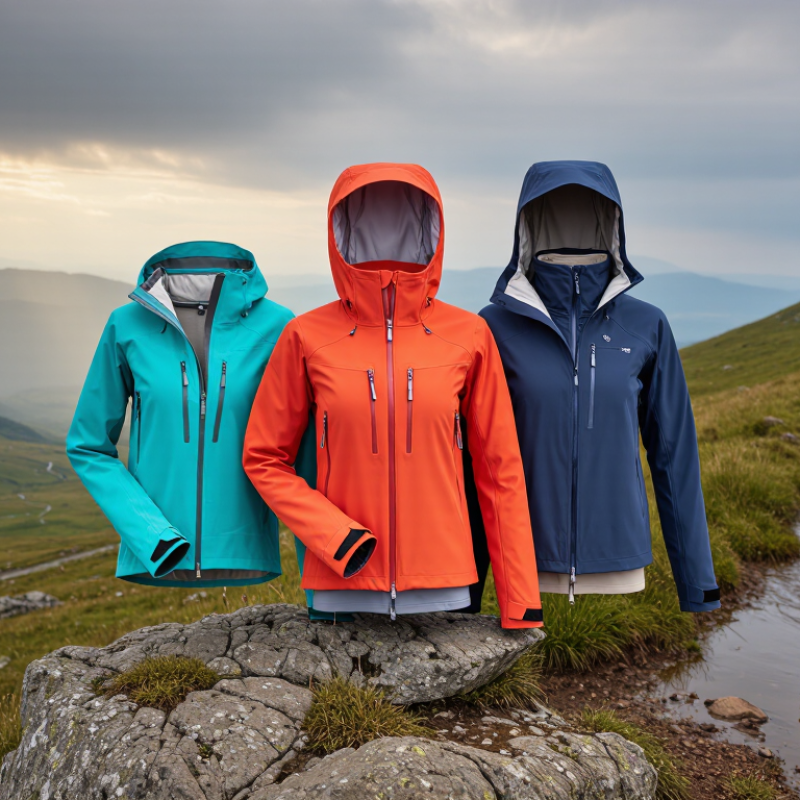
What Is a Hiking Raincoat and Which Type Is Best?

What Is a Hiking Raincoat?

What Is a Hiking Raincoat and Which Type Is Best?

A hiking raincoat is a lightweight shell designed to block rain, wind, and trail spray. It usually has a hood, sealed seams, adjustable cuffs, and a waterproof outer fabric. Unlike a casual jacket, it must work while you walk, climb, and carry a pack. The best raincoat also allows moisture vapor to escape. Otherwise, sweat can soak your base layer from inside.

Raincoats commonly use two-layer, 2.5-layer, or three-layer construction. Two-layer designs feel comfortable but may need a separate lining. Three-layer shells usually offer stronger protection and better durability.

ISO 811 measures fabric resistance to water pressure, while breathability tests often report MVTR or RET values. These numbers help, but they do not predict every trail experience. A shoulder strap can still wear the fabric. A hood can still block side vision. The 2023 Outdoor Industry Association report recorded 57.8 million U.S. day hikers in 2022, showing how widely rain protection matters.

Tips: Check the forecast and trail exposure before choosing a shell. For short, warm showers, a lightweight jacket may be enough. For cold, windy rain, choose sealed seams and a three-layer design. Pack it where you can reach it quickly. No raincoat stays perfect forever. Delamination, poor storage, and repeated washing can reduce performance, even when the fabric looks sound.

How Hiking Raincoats Protect Against Rain and Wind

A hiking raincoat is built to block water, wind, and sudden changes in weather. Its waterproof outer fabric prevents raindrops from reaching your base layers. A breathable membrane allows some body vapor to escape. This matters during steep climbs, when sweat can feel colder than rain.

Protection depends on more than fabric. Taped seams stop water from entering through tiny stitch holes. Adjustable cuffs keep wind and rain away from your wrists. A fitted hood shields your face without blocking too much vision. A raised collar protects your neck. Underarm vents can release heat, but they may also allow rain inside during strong gusts.

Wind protection comes from a close fit and a secure front closure. Loose fabric can flap loudly and let cold air enter. A storm flap over the zipper adds another barrier. I have found that a slightly longer coat protects better when sitting on wet rocks. However, extra length can restrict movement on difficult trails. That trade-off is easy to overlook. A waterproof rating helps compare garments, but laboratory figures cannot fully predict comfort outdoors. Real performance changes with washing, abrasion, and poor packing. The best type is usually a lightweight, seam-sealed shell with a breathable design, adjustable hood, and enough room for warm layers.

Key Features to Consider When Choosing One

A hiking raincoat protects you from steady rain, wind, and wet vegetation on the trail. Choosing one requires more than checking its waterproof label. During field walks, I look for a waterproof rating of at least 10,000 millimeters for regular mountain use. Heavy storms may require more. Sealed seams matter because tiny needle holes can leak near the shoulders. A storm flap over the front zipper adds another barrier. The hood should adjust around your face without blocking side vision. It should also fit over a thin hat. Small details matter.

Breathability is equally important. A coat that keeps rain out but traps sweat can leave your base layer soaked. Look for underarm vents, mesh-lined pockets, or a fabric designed to release moisture. Test the hood and cuffs before buying. Raise your arms, bend forward, and check whether the sleeves pull upward. I once chose a very light coat that packed neatly, but its narrow sleeves felt restrictive with a fleece underneath. That was my mistake. Weight still matters on long climbs, yet comfort usually matters more than saving a few grams. For short hikes, a compact two-and-a-half-layer coat may be enough. For rough weather, a stronger three-layer construction offers better durability, though it can feel less flexible. Check the care instructions carefully, since worn water-repellent treatment can make fabric wet out. Even an expensive-looking coat may perform poorly when neglected.

Main Types of Hiking Raincoats Compared

What Is a Hiking Raincoat and Which Type Is Best?

Main Types of Hiking Raincoats Compared

Hiking raincoats usually fall into four groups: two-layer shells, 2.5-layer shells, three-layer shells, and ponchos. Each design balances protection, weight, comfort, and cost differently. The Outdoor Industry Association’s 2024 report recorded 175.8 million U.S. outdoor participants in 2023. More people are hiking, but popularity does not make every jacket suitable for wet trails.

Two-layer shells often feel comfortable because their inner lining reduces skin contact. They suit casual hikes and cooler conditions, but they can feel bulky in a full backpack. Lightweight 2.5-layer shells pack smaller and dry quickly. However, their printed inner surface may feel clammy during steep climbs. That detail is easy to miss in a shop.

Three-layer shells usually offer stronger durability and better moisture management. They are practical for repeated storms, rough rock, and heavy packs. The trade-off is clear: higher weight and price. Ponchos cover the torso and backpack together, creating impressive airflow. They can flap badly in strong wind and expose your arms. Softshells feel pleasant but are not reliable substitutes during prolonged rain.

Laboratories use ISO 811 to measure resistance to water penetration. Field performance still depends on seams, hood adjustment, fabric wear, and ventilation. A perfect waterproof rating cannot stop sweat from pooling inside. My own preference would change with the route: a 2.5-layer shell for fast summer hikes, and a three-layer shell for remote, storm-prone terrain. There is no universal winner.

What Is a Hiking Raincoat and Which Type Is Best? — Main Types of Hiking Raincoats Compared
Raincoat Type Basic Construction Waterproof Protection Breathability Durability Packability Ventilation Features Best Suited For Main Limitations
2-Layer Rain Jacket Outer fabric bonded to a waterproof membrane or coating, usually with a separate inner lining or mesh layer. High Moderate High Moderate Underarm zippers, adjustable cuffs, and a front zipper are common. General hiking, day trips, regular wet-weather use, and hikers who prefer a comfortable inner lining. Usually heavier and bulkier than lighter multi-layer designs; the lining may retain moisture during hard exertion.
2.5-Layer Rain Jacket Waterproof outer fabric with a printed or lightly applied protective inner layer instead of a full lining. High Moderate to High Moderate High Front zipper, adjustable hood, cuffs, and occasional pit zips depending on the design. Lightweight backpacking, fast hiking, travel, and variable weather when low pack weight matters. The inner print can feel clammy against bare skin, and the fabric may be less resistant to abrasion than a well-built 3-layer jacket.
3-Layer Rain Jacket Outer fabric, waterproof membrane, and protective inner backer laminated into one integrated fabric. Very High High Very High Moderate Often includes pit zips, a two-way or water-resistant front zipper, adjustable hood, and articulated cuffs. Multi-day backpacking, severe weather, frequent use, bushwhacking, and demanding mountain environments. Typically more expensive, less compressible, and heavier than minimalist 2.5-layer jackets.
Coated Nylon or Polyester Shell Woven fabric covered with a waterproof coating, commonly polyurethane or a similar synthetic coating. Moderate to High Low to Moderate Moderate to High High Ventilation depends mainly on front openings, cuffs, hem adjustments, and optional pit zips. Occasional hiking, budget-conscious gear systems, emergency rain protection, and low-to-moderate activity. Vapor can build up inside during intense activity; waterproof coatings can degrade with age, heat, or poor storage.
Hiking Poncho Loose waterproof sheet or garment covering the upper body and often extending over part of a backpack. High High Moderate Very High The open sides and loose cut provide natural airflow. Warm, humid rain, lightweight backpacking, and trails where unrestricted ventilation is important. Can flap in strong wind, restrict arm movement, catch on vegetation, and provide less protection for the lower arms and sides.
Rain Cape with Pack Cover Loose waterproof cape designed to cover the wearer and, in some designs, a backpack. High High Moderate High Open sides and a loose hem allow substantial airflow. Light rain, warm climates, short hikes, and hikers carrying larger packs. Less secure than a fitted jacket in wind; coverage and stability vary with pack size and body movement.

Which Hiking Raincoat Type Is Best for Different Needs?

A hiking raincoat is a protective shell designed to keep rain away while allowing body heat to escape. The best type depends on your route, weather, and pack weight. For steady rain and exposed mountain trails, a three-layer hardshell offers strong waterproofing and better durability. Its fabric usually feels less clammy during long climbs. However, it can still become warm when the air is humid.

For short day hikes, an ultralight rain jacket may be the most practical choice. It packs into a small pouch and adds little weight to a daypack. Choose taped seams, an adjustable hood, and pit zips when possible. Small details matter. A loose poncho works well in warm, wet forests because it covers the upper body and part of the pack. It allows excellent airflow, but strong wind can turn it into a nuisance. I once underestimated that problem on a ridge.

A softshell with water-repellent treatment suits light showers and active movement. It stretches better than a hardshell and often feels quieter under backpack straps. It is not a safe choice for hours of heavy rain. For unpredictable weather, carry a compact waterproof shell, even when the forecast looks friendly. Check the fit over a fleece layer, and lift your arms before buying. If the hem rises above your waist, protection will fail when you need it most. My own mistake was choosing breathability over coverage; cold rain quickly changed my preference.

Scroll To Top