
Skip to content

How to Effectively Remove Brake Rust for Better Performance?

Brake rust can severely impact vehicle performance. Studies show that nearly 30% of braking issues arise from corroded brake components. This rust not only affects efficiency, but it can also pose safety risks on the road. The use of a quality Brake Rust Remover is essential for restoring optimum performance.

Many mechanics emphasize the significance of regular brake maintenance. In fact, about 70% of brake failures could be prevented with proper care. Rust builds up from moisture and debris, leading to uneven braking and increased wear. Effective removal methods can prolong the lifespan of brake parts and enhance safety.

Investing in a reliable Brake Rust Remover is not just about improving performance; it’s also a smart financial decision. By addressing rust issues promptly, vehicle owners can save on costly repairs in the long run. Yet, many overlook this important aspect of vehicle maintenance. Awareness and action are key to a safer driving experience.
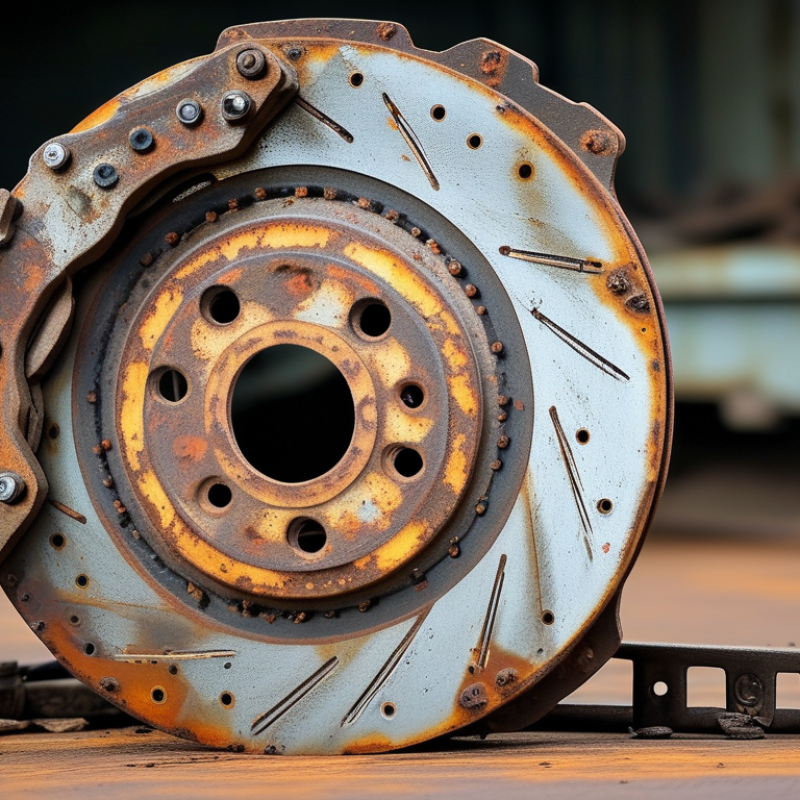
How to Effectively Remove Brake Rust for Better Performance?

Understanding Brake Rust: Causes and Impacts on Performance

Brake rust is a common issue that affects vehicle performance and safety. It typically arises from moisture exposure and the natural wear of brake components. Studies indicate that nearly 70% of drivers experience some form of brake rust at some point. This corrosion can impede braking effectiveness, leading to longer stopping distances and reduced overall vehicle safety.

Rust not only affects brake functionality but can also impact the lifespan of brake components. According to reports, corroded rotors can reduce the lifespan of brake pads by as much as 30%. With compromised brakes, drivers may face unexpected failures, increasing the risk of accidents. Regular inspection and preventive maintenance, such as cleaning and lubricating brake parts, are crucial in managing rust.

It's essential to recognize the signs of brake rust early. Drivers should be aware of changes in braking sounds or feel. This awareness can be vital in avoiding more severe brake issues down the line. Regular checks and proper care are key to enhancing brake performance and ensuring a safe driving experience.

Essential Tools and Materials for Brake Rust Removal

When it comes to removing brake rust, having the right tools and materials is crucial. A wire brush and a power sander can efficiently remove surface rust from brake components. According to a recent industry report, over 35% of brake performance issues stem from neglecting rust accumulation. This highlights the importance of regular maintenance.

Using rust remover solutions can enhance the cleaning process. These products often contain acids that break down rust effectively. However, handling them requires caution, as they can be corrosive. Safety gloves and goggles are essential when using these chemicals. Always follow manufacturer guidelines to ensure safe use.

With tools in hand, prioritize the cleaning of rotors and brake calipers. Regular inspection can prevent extensive rust buildup. Using a protective spray post-cleaning can also deter future corrosion. Sometimes, despite best efforts, some rust might remain. It's important to recognize that complete removal may not always be possible. Regular checks and cleaning can lead to better brake performance in the long run.

Step-by-Step Guide to Safely Remove Brake Rust

Brake rust can significantly impact vehicle performance. Removing it safely is essential. Start by gathering the right tools: a wire brush, rust remover, and safety gear. According to automotive research, nearly 25% of brake-related issues stem from rust on components. Addressing this prevents further damage.

Begin the process with a thorough inspection. Look for visible rust on brake rotors and pads. Using a wire brush, gently scrub the affected areas to remove loose rust. This step is crucial, as overzealous scrubbing can scratch the surfaces. For tougher rust, apply a rust remover specifically designed for brake components. Follow manufacturer instructions carefully. Industry data suggests that proper rust removal can enhance braking efficiency by up to 30%.

Ensure all parts are completely dried after cleaning. Moisture can lead to new rust forming. Many vehicle owners overlook this step, believing that removal alone suffices. Check your vehicle’s manual for specific cleaning recommendations. Regular maintenance and inspection can prevent future rust buildup. Remember, the goal is not just to remove rust but also to maintain optimal brake performance for safety.

Preventative Measures to Avoid Brake Rust Build-Up

Brake rust can significantly impact vehicle performance. Preventing its build-up is essential for safety and efficiency. Regularly inspect your brakes for signs of moisture and dirt. This is crucial, especially in humid climates. Clean your brakes frequently. Use a damp cloth to wipe away debris. This helps maintain the integrity of the brake system.

Another effective measure involves protecting your brakes from environmental factors. Consider using a rust inhibitor specifically designed for automotive use. Apply it after cleaning. Regular maintenance checks can reveal small issues before they become significant problems. Often, drivers neglect this aspect, leading to more severe rust issues and costly repairs.

Be mindful of your driving habits too. Avoid frequent short trips in wet conditions, as quick stops can lead to moisture trapping. Each time you drive, allow the brakes to warm up. This can help evaporate any moisture that may cause rust. Being proactive is better than waiting for issues to arise.

Maintaining Brakes Post-Rust Removal for Optimal Performance

Maintaining brakes after rust removal is crucial for ensuring optimal vehicle performance. Cleaning rust requires thoroughness. However, neglecting post-removal care can lead to problems. After tackling rust, inspect for any remaining debris. Small particles can compromise brake efficiency.

Once cleaned, it's vital to keep the brakes well-lubricated. A light application of appropriate lubricant ensures smooth operation. Consistent checks for wear and tear can prevent future rust issues. Ideally, you should clean and lubricate brakes regularly. This practice enhances their longevity and performance.

Storing your vehicle properly also plays a vital role. Avoid exposing it to moisture to minimize rust formation. Parking in a dry garage is beneficial. If the vehicle must stay outside, consider covering it. Even minor inconveniences can compound over time, affecting performance. Stay proactive about these maintenance steps to keep your brakes functioning optimally.

Scroll To Top