
Skip to content

2026 How to Choose the Best Stainless Steel Food Containers?

Choosing the right storage solutions is essential in our daily lives. Stainless Steel Food Containers have gained popularity due to their durability and versatility. They are ideal for meal prep, storage, or even outdoor use.

When selecting the best stainless steel food containers, consider various factors like size, functionality, and lid quality. A well-designed lid creates an airtight seal and prevents leaks. Not all containers offer this essential feature, leading to frustration and wasted food.

Also, think about the container's weight. Some may be too heavy for daily use, especially for packed lunches. Price is another key consideration. More expensive options may promise high quality but fall short sometimes. It's important to find a balance between quality and cost. Through thoughtful evaluation, you can find stainless steel food containers that meet your needs and enhance your kitchen experience.
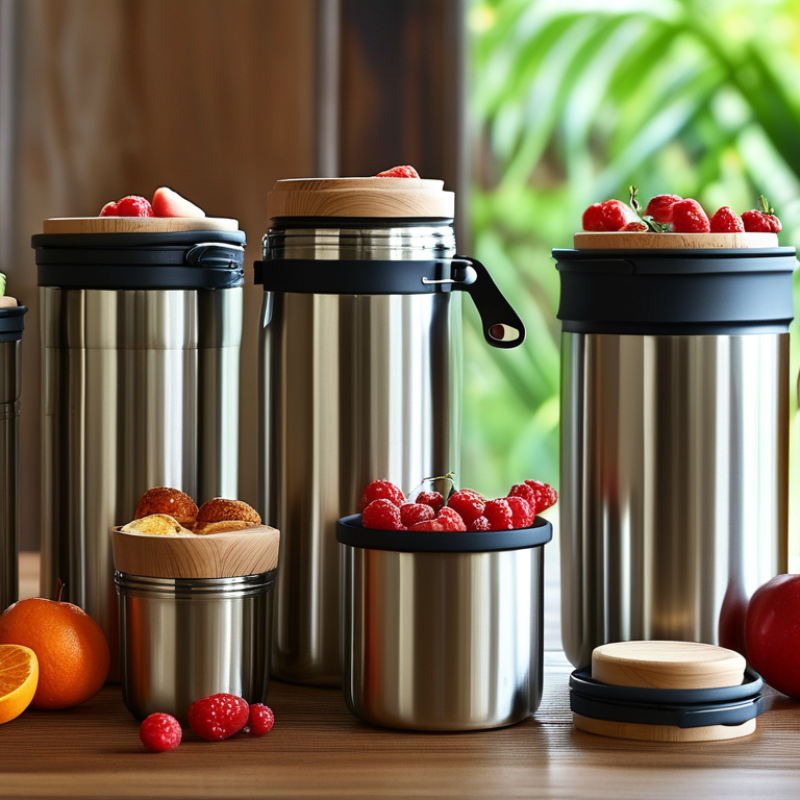
2026 How to Choose the Best Stainless Steel Food Containers?

Key Features to Look for in Stainless Steel Food Containers

When choosing stainless steel food containers, there are several key features to consider. Look for high-quality materials. The best containers are made from food-grade stainless steel. This ensures safety and durability. Lightweight options are ideal for carrying meals. If you travel often, this is essential.

Another important factor is the lid design. Leak-proof lids are a must for preventing spills. They should fit securely and seal well. Check that the containers are easy to open, even for kids. Some containers have airtight seals that keep food fresh for longer. This is a valuable feature to consider.

Size matters too. Think about what you’ll store. Smaller containers work well for snacks. Larger ones suit meals. Versatile sizing means you can easily pack a variety of foods. Reflect on how you plan to use the containers. Make sure they fit into your lifestyle seamlessly.

Different Types of Stainless Steel Food Containers Available

When selecting stainless steel food containers, understanding the different types available is essential. There are several options, each suited for various needs. For instance, there are containers with airtight seals. These help keep your food fresh longer. On the other hand, some food containers focus on portability. They are lightweight and easy to carry, making them ideal for lunches or picnics.

You may also come across various designs, such as stackable options. These containers maximize storage space in your kitchen. However, not all designs are perfect. Some may be difficult to clean or don’t seal properly. This could lead to minor frustrations over time. So, always consider ease of use along with functionality.

Another thing to note is the size variations. Some containers are small, perfect for snacks. Larger ones hold full meals. It’s important to choose sizes that fit your lifestyle. Consider what you’ll store and how often you use them. Reflecting on these factors will help you make a better choice.

2026 How to Choose the Best Stainless Steel Food Containers?

This chart displays the different types of stainless steel food containers available in 2026 along with their popularity based on consumer preferences.

Benefits of Using Stainless Steel Over Other Materials

Stainless steel food containers offer numerous benefits over plastic and glass options. They are durable and resistant to rust and corrosion. This means they can withstand harsh conditions, making them ideal for both indoor and outdoor use. Unlike plastic, stainless steel does not leach harmful chemicals into food, ensuring safer meals.

Another significant advantage is the ease of cleaning. Stainless steel surfaces are non-porous, which means they resist stains and odors. A simple wash or a quick run through the dishwasher suffices. However, it’s important to note that scratches can compromise this protective layer. Over time, frequent use may lead to minor blemishes, which can be hard to remove.

Additionally, stainless steel containers often come with excellent insulation properties. They keep food fresh for longer, which is great for meal prep. But these containers can be heavier than their plastic counterparts. For those who prioritize portability, this may require some consideration. Balancing durability and weight is crucial for many users.

Tips for Maintaining and Cleaning Stainless Steel Food Containers

Maintaining and cleaning stainless steel food containers is essential for health and longevity. A recent report from the Food Safety and Inspection Service highlights that around 48 million Americans suffer from foodborne illnesses each year. Proper cleaning can reduce these risks significantly.

Stainless steel is durable, but it can develop stains or odors if not cared for correctly. To maintain its appeal, wash containers with warm soapy water after each use. Baking soda works wonders for tough stains. A study from the American Journal of Food Science shows that a 10% baking soda solution effectively removes stubborn residues. Proper air drying after washing prevents moisture buildup, which can lead to rust.

Consider using vinegar for regular maintenance. It is a natural disinfectant, neutralizing odors as it cleans. A 2018 survey found that 65% of consumers prefer eco-friendly products for cleaning. Regular use of vinegar can help keep your containers looking new. In this way, you are not only preserving the containers but also contributing to a healthier environment.

Factors to Consider for Specific Use Cases and Storage Needs

When choosing stainless steel food containers, consider your specific needs. Different use cases often require distinct features. For meal prep, opt for leak-proof lids and stackable designs. According to a study by the Food Packaging Association, nearly 70% of consumers prefer containers that offer convenience and portability.

Storage needs matter as well. For bulk storage, larger containers with wide openings can be essential. A report from the Stainless Steel Recycling Institute suggests that about 60% of households utilize various sizes of containers for different foods. This flexibility not only helps in efficient organization but also minimizes food waste.

Durability and insulation properties are critical too. Stainless steel can maintain food temperature for longer periods. Consumer insights indicate that over 80% of users prioritize long-lasting materials. That said, even the best containers may dent or scratch over time. Users should regularly assess their containers for wear and tear.

Scroll To Top