
Skip to content

Best Packaging Paper Solutions for Global Buyers 2026?

In the dynamic world of global commerce, the significance of Packaging Paper cannot be overstated. This versatile material plays a crucial role in protecting products and enhancing brand visibility. Renowned packaging expert Dr. Emily Carter emphasizes, "Sustainable packaging is no longer an option; it's a necessity for brands."

Brands are increasingly seeking innovative Packaging Paper solutions that both meet environmental standards and appeal to consumers. The demand for eco-friendly options is rising sharply. Buyers now consider the sustainability of materials as they make purchasing decisions. However, not all solutions are equally effective, leading to potential pitfalls.

Selecting the right Packaging Paper requires expertise and thoughtful evaluation. There are numerous suppliers, but not all provide reliable products. It’s essential for buyers to understand their needs and the offerings available. Engaging with experts and gathering insights can help navigate this complex landscape. As the market evolves, there is an ongoing challenge to balance functionality, aesthetics, and sustainability in Packaging Paper choices.
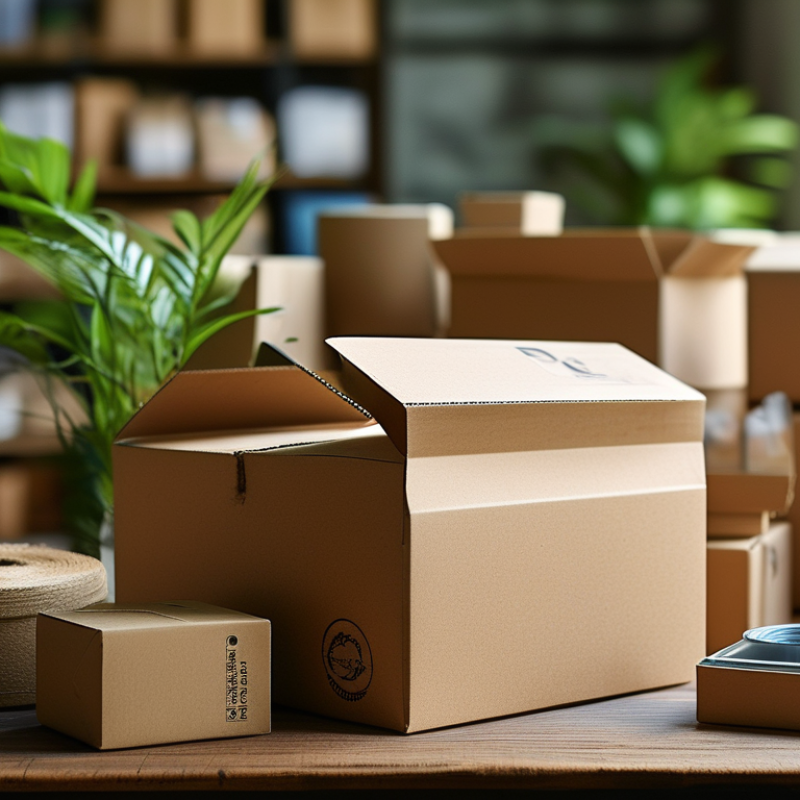
Best Packaging Paper Solutions for Global Buyers 2026?

Best Packaging Paper Solutions for Global Buyers 2026

In 2026, the global packaging paper market is projected to reach USD 400 billion. This growth reflects escalating demands from various industries, including e-commerce and food packaging. Notably, the increase in environmentally conscious consumers drives innovation in sustainable materials.


Recent reports indicate that around 60% of packaging firms are investing in eco-friendly technologies. These innovations range from biodegradable papers to recyclable materials. Yet, the challenge remains high costs and limited availability of these alternatives. Companies must balance environmental responsibility with budget constraints.


The rise of online shopping also amplifies the need for efficient packaging solutions. Effective packaging not only protects products but also enhances customer experience. However, poor material choice can lead to damage and increased returns, impacting overall profitability. The delicate balance between quality and sustainability requires careful consideration.

Trends in Packaging Paper: Innovations Shaping the Market

The packaging paper market is evolving rapidly. Innovations are driving change in materials and production methods. Sustainable practices have become a priority. Eco-friendly alternatives to traditional packaging papers are gaining traction. These options often use recycled fibers or biodegradable materials. Manufacturers focus on reducing waste throughout the production cycle.

Smart technology is also impacting design and functionality. Intelligent packaging solutions incorporate QR codes and sensor technologies. These features enhance user interaction and product tracking. However, integrating these technologies presents challenges. Not every business can afford the investment or training needed for implementation.

Beyond innovation, market preferences are shifting. Consumers increasingly demand transparency and sustainability. This push forces companies to rethink their approaches. Traditional packaging may no longer meet the expectations of discerning buyers. As the landscape changes, companies must adapt quickly to survive. Continuous improvement is essential, yet not all businesses are prepared for this shift in consumer behavior.

Sustainable Packaging: Eco-Friendly Materials and Practices

The global demand for sustainable packaging is on the rise. An estimated 72% of consumers prefer eco-friendly packaging options. This shift reflects a broader commitment to environmental responsibility. Not only do eco-friendly materials contribute to reduced waste, but they also help reduce carbon footprints. According to a recent report by MarketsandMarkets, the global green packaging market is projected to grow from $200 billion in 2021 to $400 billion by 2027.

Many businesses are adopting renewable materials such as paper, cardboard, and bioplastics. These alternatives offer functionality without compromising sustainability. Recycled paper products, including packaging options, can significantly lower energy consumption. Research indicates that using recycled materials can save up to 60% energy compared to virgin materials. However, sourcing these materials can pose challenges in terms of cost and supply chain logistics.

Companies are also exploring innovative practices like minimalistic packaging design. This approach not only uses less material, but also enhances the product’s visual appeal. Yet, achieving the right balance between aesthetics and sustainability is tricky. Striking this balance requires thoughtful consideration and ongoing adjustments in packaging strategies. As industries navigate these complexities, a commitment to sustainability remains vital for future success.

Best Packaging Paper Solutions for Global Buyers 2026

This bar chart presents the projected market share of different eco-friendly packaging paper materials in 2026, highlighting the growing emphasis on sustainable solutions in the packaging industry.

Key Suppliers and Manufacturers in the Global Packaging Paper Industry

The global packaging paper industry is evolving rapidly. In 2026, sustainability and innovation will drive demand. Key suppliers play a vital role in this transformation. Industry data from Smithers indicates a compound annual growth rate (CAGR) of 4.2% for packaging paper from 2021 to 2026. This growth signifies broader environmental awareness among buyers.

Leading manufacturers are shifting towards recycled and biodegradable materials. Reports suggest that nearly 70% of consumers prefer products with eco-friendly packaging. Yet, not all suppliers can keep pace with these trends. Some still rely on traditional methods, which may hinder their competitiveness. Diversity in supplier capabilities is crucial for the industry's future.

Companies must adapt to new technologies and consumer preferences. Automated production lines and digital printing are emerging trends. However, not every manufacturer can invest in such technologies. Data from industry experts reveals that smaller companies often struggle with scalability. The variance in supplier capabilities can impact the overall market growth.

Consumer Preferences: What Buyers Look for in Packaging Solutions

In 2026, packaging solutions are evolving rapidly. Global buyers now prioritize sustainable materials. They want packaging that reduces environmental impact. This shift reflects a growing awareness of climate change and waste reduction. Many consumers seek recyclable and biodegradable options.

When choosing packaging, buyers focus on functionality. They appreciate designs that are easy to open and reseal. Durability is crucial; packaging must protect products during shipping. Aesthetics also matter. Visual appeal can influence purchasing decisions. Simple, elegant designs may attract more attention.

However, some gaps remain. Not all suppliers meet the demand for sustainable materials. Inventory shortages can lead to increased prices. Issues like these require careful consideration by buyers. Understanding consumer preferences helps address these challenges. Trust and reliability are key factors in selecting packaging solutions. Buyers need to know they can depend on their suppliers.

Article Source:

Scroll To Top