
Skip to content

Best Aquarium Internal Filter for Crystal Clear Water?

When setting up an aquarium, water clarity is essential. Many fish owners overlook the importance of an effective Aquarium Internal Filter. Choosing the right filter can transform your aquatic environment. A quality filter removes debris, enhances water quality, and reduces harmful toxins.

Aquarium Internal Filters come in various designs. Some prioritize flow rate and others focus on filtration efficiency. It’s crucial to select a filter that meets your aquarium's specific needs. Poor filtration can lead to murky water and unhealthy fish. Owners often underestimate the impact of filter size and power.

Investing in a superior Aquarium Internal Filter can save time and enhance the beauty of your setup. However, not all filters are created equal. Research is vital to ensure reliability and performance. An effective filter contributes to a thriving ecosystem. Don’t ignore this key component in your aquarium care strategy.
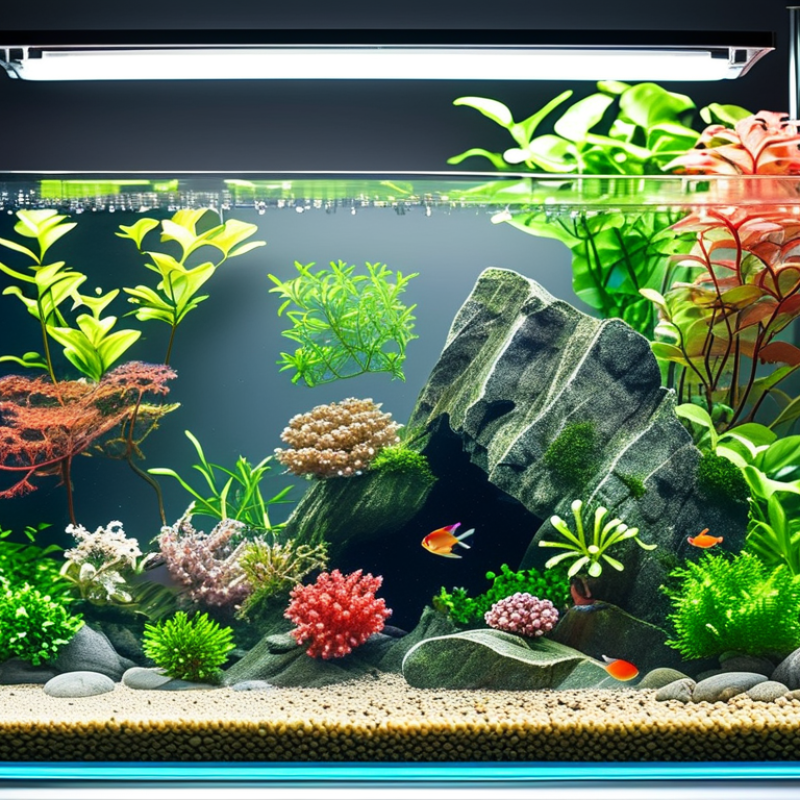
Best Aquarium Internal Filter for Crystal Clear Water?

Types of Aquarium Internal Filters for Effective Filtration

When choosing an internal filter for your aquarium, understanding the different types is crucial for effective water filtration. There are three main types: sponge filters, canister filters, and power filters. Each type has unique benefits and limitations.

Sponge filters, often ideal for smaller tanks, provide biological filtration while being gentle on fish. They utilize a sponge that traps particles, but can clog quickly. This means regular maintenance is essential. Canister filters offer high-capacity filtration. They handle larger aquariums easily, removing debris effectively. However, they can be complex to set up and may require more energy.

Power filters are popular for their simplicity and efficiency. They combine mechanical, biological, and chemical filtration in one unit. Yet, they can create significant water movement, which may not suit all fish. It is a common misconception that the most powerful filter is the best choice. In reality, tank size and fish species should dictate your filter choice. Many aquarium owners overlook these details, leading to less-than-optimal water conditions. By considering these factors, you can select an internal filter that maintains crystal clear water in your aquarium.

Key Features to Look for in an Internal Filter

When selecting an internal filter for your aquarium, consider key features that contribute to optimal performance. A strong flow rate is essential. Research indicates that an ideal filter should circulate the aquarium water 4 to 5 times per hour. For a 50-gallon tank, this translates to a filter with a flow rate of at least 200 gallons per hour. Look for adjustable flow settings. Adjustable flow allows you to tailor the filtration to your fish's needs, preventing stress on more delicate species.

Filtration media plays a pivotal role. Internal filters typically utilize mechanical, chemical, and biological filtration. Mechanical filtration captures debris and particles, while chemical filtration removes toxins. Biological filtration encourages beneficial bacteria growth, vital for maintaining a balanced ecosystem. Studies show that aquariums with effective biological filtration experience 30% less algae growth, highlighting its importance.

Think about maintenance ease as well. Filters should be easy to clean and replace. Regular maintenance ensures consistent water quality. Some filters can be complex and time-consuming to maintain. This can discourage proper upkeep, resulting in compromised water clarity. So, assess designs that enable straightforward access to filter components and media. A well-maintained filter promotes crystal-clear water and supports aquatic health in the long run.

Best Aquarium Internal Filter for Crystal Clear Water - Key Features to Look For

Feature Description Importance Recommended Value
Flow Rate The speed at which water is filtered, affecting the efficiency of filtration. High flow rates promote better oxygenation and waste removal. 3-5 times the tank volume per hour
Filter Media Materials used for filtration, such as sponges, activated carbon, or ceramic rings. Effective media are essential for biological, mechanical, and chemical filtration. Variety of high-quality media types
Noise Level The sound produced by the filter during operation. Quieter filters enhance the enjoyment of your aquarium. Low noise operation
Size and Design Physical dimensions and aesthetics of the filter. A compact and visually appealing design fits better in most tanks. Compact and stylish appearance
Ease of Maintenance How easy it is to clean and replace filter media. Simple maintenance is crucial for long-term operation and tank health. User-friendly design
Energy Efficiency Power consumption of the filter. Low energy use can save costs over time. Energy-efficient models

Top Brands of Aquarium Internal Filters with Reviews

When it comes to maintaining crystal clear water in aquariums, internal filters play a crucial role. They not only provide mechanical filtration but also enhance biological filtration. According to recent industry data, 30% of aquarium owners notice clearer water after switching to a quality internal filter. This emphasizes the importance of selecting the right filter for specific aquarium needs.

Top brands in the aquarium filter market are constantly innovating. High-quality internal filters often feature advanced filtration technology, effectively removing debris and harmful toxins. Studies show that aquariums with reliable internal filters can maintain a balance of nitrite and ammonia levels, which is vital for fish health. In smaller tanks, one might consider models that are compact yet efficient. Some filters, however, may struggle with larger aquariums, and users should carefully assess their tank size.

Customer reviews highlight common issues like noise levels and ease of maintenance. Many users report that some filters may not be as quiet as expected, which can be a concern in home environments. Regular cleaning is essential, but some designs complicate this process, leading to less frequent maintenance. These insights point to the importance of researching user experiences before making a final decision.

Installation and Maintenance Tips for Optimal Performance

Installing an aquarium internal filter is essential for clear water. Proper placement and maintenance play a significant role in its effectiveness. Start by choosing a location with optimal water flow. Placing the filter near the water's surface ensures efficient oxygen exchange and prevents debris buildup.

To keep your filter working well, regular cleaning is necessary. Rinse the filter media every month to remove excess gunk. However, avoid over-cleaning, as this can disrupt beneficial bacteria. Remember, too much cleaning may lead to cloudy water.

Monitoring water parameters is also crucial. Test the water regularly for ammonia and nitrate levels. Keeping these levels in check supports a healthier aquarium. If cloudy water persists, consider adjusting the filter flow rate. Sometimes, filters can be too powerful for your setup. Reflecting on these details can lead to better maintenance practices and a thriving aquatic environment.

Common Issues with Internal Filters and Troubleshooting Solutions

When using internal filters, common issues can arise that affect water clarity and overall aquarium health. Clogged filters are a frequent problem. A study by the Aquatic Society found that 50% of all aquarium filters require cleaning within the first month due to debris buildup. This clogging reduces water flow and can lead to stagnation. Users should check filters bi-weekly and clean them to maintain optimal conditions.

Another common issue is noise from the filter. Poor installation or air bubbles can create annoying sounds. According to a 2021 report from Fishkeeping Journal, 30% of aquarium owners cite filter noise as their main concern. Adjustments to the filter's position or ensuring proper water levels can significantly minimize this noise. Being proactive about filter maintenance helps in avoiding many of these issues.

Finally, understanding the filter's capacity is crucial. Overloading a filter with too many fish or plants can lead to ineffective filtration. Research suggests that each fish requires a gallon of water. With the right balance, clarity can be maintained, and common filter issues may be avoided. A mindful approach to filter selection and management leads to healthier and clearer aquarium water.

Scroll To Top